

Digital Health and Telehealth Services Explained for Modern Patients
Digital Health and Telehealth Services Explained for Modern Patients
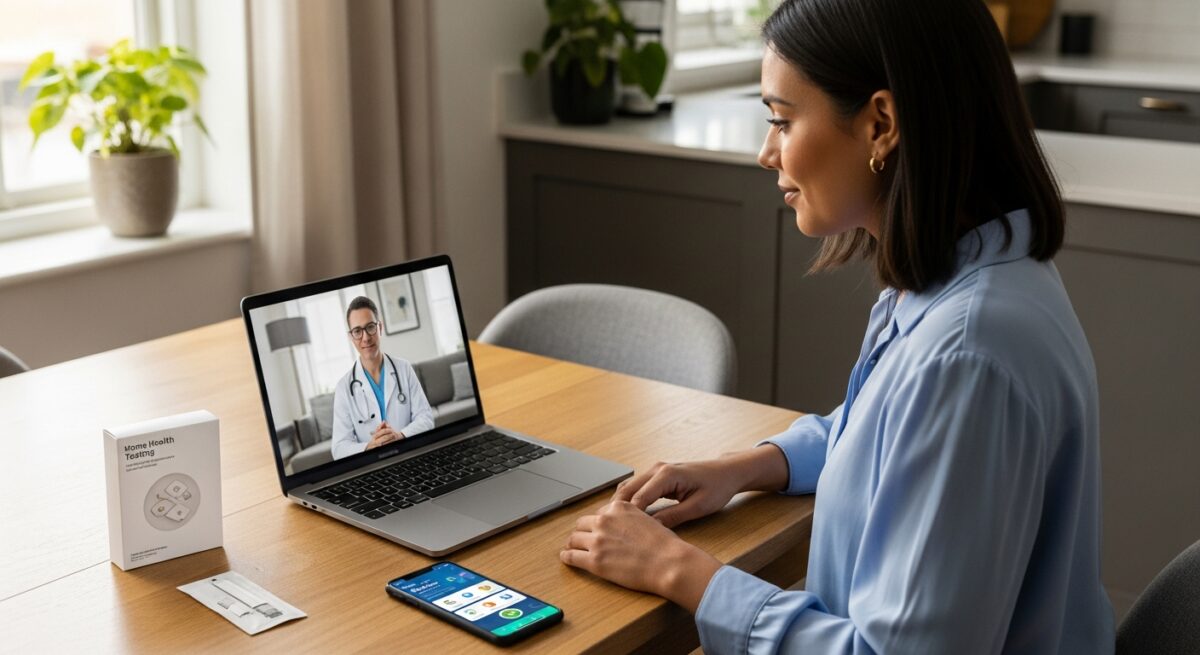
The way we access healthcare is undergoing a fundamental transformation, moving from waiting rooms to living rooms. This shift is powered by the rapid convergence of digital health and telehealth services, a fusion of technology and medicine designed to make care more accessible, efficient, and personalized. For patients navigating this new landscape, understanding the scope, benefits, and practical applications of these services is crucial. This article provides a comprehensive explanation of digital health and telehealth, clarifying their roles, how they work together, and how platforms like Doctors Home are leveraging them to deliver convenient, high-quality care directly to you.
Defining the Digital Health Ecosystem
Digital health is a broad, overarching term that encompasses all uses of digital technologies to improve health and wellness. It is not a single service but an entire ecosystem. This ecosystem includes the tools, platforms, and data systems that collect, analyze, and manage health information. Think of digital health as the infrastructure: the wires, servers, and software that enable modern medical care to function in a connected world. Key components include electronic health records (EHRs), wearable fitness trackers and medical devices, mobile health apps for symptom tracking or meditation, and advanced analytics powered by artificial intelligence.
The goal of digital health is to create a more proactive and preventive model of care. By continuously gathering data (with patient consent), healthcare providers can gain insights into trends that might be missed during an annual check-up. For instance, a patient with hypertension might use a connected blood pressure cuff that logs readings to an app, sharing this data securely with their doctor. This allows for more timely adjustments to treatment plans. Digital health empowers individuals to take a more active role in managing their well-being while giving clinicians a richer, more complete picture of a patient’s health outside the clinic walls.
Telehealth as a Vital Component of Digital Care
If digital health is the ecosystem, telehealth is a critical application within it. Telehealth refers specifically to the delivery of clinical healthcare services remotely using telecommunications technology. It is the practical execution of care delivery within the digital health framework. The most common form of telehealth is the virtual visit, a real-time video or phone consultation with a licensed healthcare provider. However, telehealth also includes asynchronous communication (like secure messaging with your doctor), remote patient monitoring (transmitting health data from home), and even mobile health education.
Telehealth solves several persistent challenges in traditional healthcare. It dramatically improves access for individuals in rural areas, those with mobility issues, or people with demanding schedules. It reduces the time and cost associated with travel and waiting. For many common conditions, follow-up appointments, medication management, and behavioral health counseling, a telehealth visit can be just as effective as an in-person one. Services like Doctors Home specialize in providing this direct clinical access, connecting patients to licensed professionals for consultations and prescriptions for specific conditions from the comfort of home.
Key Benefits of Integrated Digital and Telehealth Services
The true power is realized when digital health tools and telehealth services are seamlessly integrated. This combination creates a continuous care loop that benefits both patients and providers. For patients, the advantages are tangible and life-changing. Convenience is paramount, eliminating commutes and long waits. Accessibility expands, breaking down geographical and physical barriers to care. There is also a strong potential for cost reduction, both in direct medical costs and associated expenses like transportation and time off work.
For healthcare delivery, the integration leads to better outcomes. Continuous monitoring through digital devices can catch potential issues early. Patient engagement often increases when they have easy access to their providers and their own health data. Care becomes more coordinated, as different specialists can access shared digital records. Furthermore, the efficiency gains for providers can help alleviate systemic burdens, allowing them to focus their in-person time on cases that truly require physical examination.
The core benefits for users of integrated platforms include:
- Unprecedented convenience and time savings from receiving care anywhere.
- Expanded access to specialists and care regardless of location.
- Improved management of chronic conditions through continuous remote monitoring.
- Enhanced patient empowerment and engagement with personal health data.
- Reduced risk of exposure to contagious illnesses in waiting rooms.
This model is particularly effective for managing ongoing health needs, prescription renewals, and initial consultations for many acute conditions, forming the backbone of modern patient-centric care.
How Digital Health Platforms Operate in Practice
Understanding the user journey on a platform like Doctors Home illustrates how these concepts work in practice. The process is designed for security, simplicity, and clinical integrity. It begins with a secure online registration where you create an account and provide necessary medical history, just as you would on paper at a new doctor’s office. All this data is protected under strict healthcare privacy laws like HIPAA.
When you need a consultation, you can typically schedule a visit or request an on-demand session. You then connect via a secure, HIPAA-compliant video platform on your smartphone, tablet, or computer. During the visit, you discuss your symptoms or needs with the licensed provider. If clinically appropriate, the provider can prescribe medication and send it electronically to your preferred pharmacy. For situations requiring diagnostic testing, the platform can facilitate access to at-home testing kits, which you complete and mail to a certified lab, with results reviewed by a provider. This seamless flow from consultation to diagnosis to treatment exemplifies the integrated digital healthcare model.
Addressing Common Concerns and Limitations
Despite its advantages, digital health and telehealth are not a panacea, and it’s important to recognize their boundaries. A primary concern for many is data security and privacy. Reputable platforms invest heavily in encryption and compliance with regulations like HIPAA to ensure that your health information is as secure online as it is in a locked filing cabinet. Patients should always verify a service’s privacy policy and security credentials before use.
Technological access, often called the “digital divide,” remains a challenge. Reliable high-speed internet and a capable device are prerequisites, which can exclude some populations. Furthermore, telehealth has clinical limitations. It cannot handle emergencies like chest pain or severe injury. Conditions that require a physical hands-on examination, such as certain abdominal pains, ear infections, or neurological assessments, still necessitate an in-person visit. The role of telehealth is to complement, not replace, the entire healthcare system. The ideal model is a hybrid one, where digital services handle appropriate consultations and monitoring, seamlessly referring patients to in-person care when needed.
The Future of Care: Integration and Personalization
The trajectory of digital health points toward deeper integration and greater personalization. We are moving towards a future where your wearable device, your medical record, your telehealth platform, and your pharmacy are all interconnected, providing a unified view of your health. Artificial intelligence will play a larger role in analyzing the vast amounts of data generated to provide predictive insights, potentially flagging health risks before symptoms appear. This is the promise of a truly proactive healthcare system.
For platforms at the forefront, this means expanding service offerings, integrating with more wearable devices, and creating more personalized care pathways. The focus will be on managing whole health over time, not just treating episodic sickness. This evolution makes understanding digital health and telehealth services not just useful, but essential for anyone who wants to take an active, informed role in their healthcare journey in the 21st century.
Frequently Asked Questions
Is telehealth care as effective as in-person doctor visits?
For many use cases, yes. Studies have shown telehealth to be highly effective for medication management, mental health therapy, dermatology consultations, follow-up visits for chronic conditions like diabetes or hypertension, and evaluations for common ailments like colds, UTIs, or allergies. Its effectiveness is well-established for these scenarios, though it is not suitable for emergencies or conditions requiring a physical exam.
How do I know if my condition is appropriate for a telehealth visit?
Common conditions well-suited for telehealth include prescription refills, sinus infections, urinary tract infections, skin rashes, allergies, anxiety, depression, and follow-ups for chronic disease management. If you are experiencing a medical emergency like difficulty breathing, chest pain, or severe trauma, you should call 911 or go to an emergency room immediately. Reputable telehealth platforms like Doctors Home provide clear guidelines and will direct you to in-person care if your symptoms indicate it’s necessary.
Are prescriptions from telehealth services legitimate?
Absolutely. Licensed healthcare providers working through legitimate telehealth platforms have the same authority to prescribe medication as they do in a physical office, subject to state and federal regulations. They must establish a valid patient-provider relationship, which is done through the comprehensive consultation process. Controlled substances have stricter regulations, but many common medications for conditions like herpes virus management or eye allergies can be prescribed appropriately via telehealth after a consultation.
What technology do I need for a telehealth appointment?
You typically need a smartphone, tablet, or computer with a camera, microphone, and speaker, along with a stable internet connection. Most services use a web-based platform or a simple app that requires no specialized software. For those seeking maximum flexibility, exploring 24 7 telehealth services for instant online doctor access can provide care at any time of day with similar simple tech requirements.
How is my privacy protected during a virtual visit?
Legitimate telehealth providers are bound by HIPAA, the federal law protecting health information. They use encrypted, secure video conferencing software designed specifically for healthcare, not consumer-grade apps. Your medical records are stored in secure, compliant systems. Always review a platform’s privacy policy to understand their specific data protection measures.
The integration of digital health and telehealth represents a fundamental shift toward a more accessible, efficient, and patient-empowered healthcare system. By demystifying these services and understanding their appropriate use, individuals can confidently leverage these tools to take greater control of their health and well-being, partnering with providers in new and effective ways.
About the Author: Steven Walker





Sign up for our newsletter and Save 20% on Test Kits
"*" indicates required fields