
At-Home Nursing Care After Hip Replacement: A Recovery Guide
At-Home Nursing Care After Hip Replacement: A Recovery Guide
Returning home after a hip replacement surgery marks a critical transition. While the hospital stay focuses on immediate post-operative stability, the real work of healing and regaining independence happens in the familiar, yet now challenging, environment of your own home. This period, typically spanning several weeks, requires meticulous planning, professional support, and a dedicated care strategy to ensure a smooth, safe, and successful recovery. At-home nursing care after hip replacement surgery is not merely a convenience, it is a foundational component of optimal rehabilitation, directly influencing outcomes, preventing complications like infections or dislocations, and paving the way for a return to an active life.
The Essential Role of Professional In-Home Nursing Care
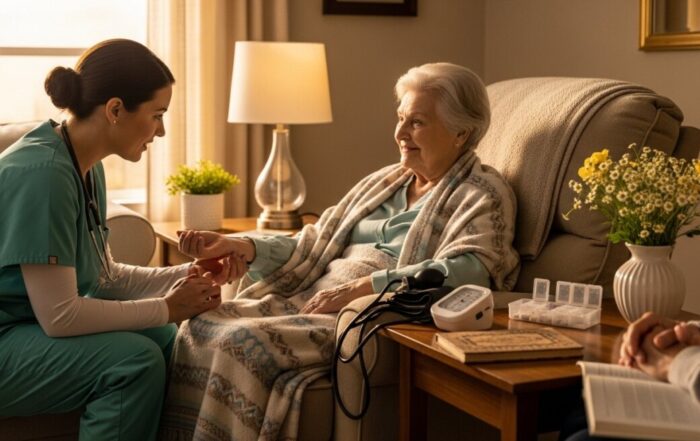
The first days and weeks at home present unique challenges that go beyond what family members can often manage alone. A professional nurse or certified nursing assistant (CNA) provides clinical expertise and physical support that is indispensable. Their role is multifaceted, bridging the gap between hospital discharge and full outpatient rehabilitation. They act as a clinical monitor, a safety expert, a medication manager, and a coach, all within the patient’s home setting. This professional oversight significantly reduces readmission risks by catching potential issues, such as signs of infection at the incision site or symptoms of a blood clot, early when they are most treatable.
Specifically, skilled nursing care at home includes wound assessment and dressing changes using sterile technique to prevent surgical site infections. Nurses manage and administer medications, including crucial pain control and anticoagulants to prevent deep vein thrombosis (DVT). They monitor vital signs and overall patient condition, providing a direct line of communication to the surgeon’s office if concerns arise. Furthermore, they assist with initial mobility, ensuring the patient correctly follows the surgeon’s specific hip precautions (like avoiding bending past 90 degrees or crossing legs) during all transfers and ambulation. This guidance is vital, as incorrect movement can lead to dislocation, a serious setback.
Setting Up Your Home for Safe Recovery
Before the patient returns from the hospital, the home must be transformed into a recovery-friendly zone. The primary goals are to minimize fall risks and to reduce the need to bend, twist, or reach. This preparation is a proactive step that supports the work of both the patient and the at-home nursing care team. A well-prepared home allows the nursing professional to focus on clinical care and therapeutic mobility rather than constantly navigating environmental hazards.
Key modifications should be made throughout the living space. In the bedroom, ensure the bed is at an appropriate height (often needing a riser kit) so the patient can get in and out without violating hip precautions. A sturdy bedside commode may be necessary if the bathroom is not immediately adjacent. In the bathroom, which is a high-risk area, install grab bars in the shower/tub and next to the toilet. A shower chair and a handheld showerhead are non-negotiable for safe bathing. Remove all loose rugs and ensure pathways are clear of clutter, cords, and pet toys. In the living area, arrange a firm, high-seated chair with arms and a non-skid footstool. Prepare a “recovery station” with a phone, charger, remote control, water bottle, and medications within easy reach to avoid unnecessary trips.
Daily Living and Mobility Support
An in-home nursing aide or CNA provides the hands-on assistance that makes daily life possible and safe during early recovery. This support is crucial for maintaining hygiene, nutrition, and morale while strictly adhering to movement restrictions. Their assistance includes helping with bathing and dressing, tasks that require bending and are particularly risky alone. They aid in safe transfers from bed to chair, chair to standing, and during toileting. For many patients, especially those living alone or with an elderly spouse, this physical help is what enables them to recover at home instead of in a rehab facility.
Mobility progression is a core focus. The nurse or aide will reinforce the physical therapist’s instructions, supervising the use of a walker or crutches and ensuring proper weight-bearing status as prescribed. They provide cueing and physical support during prescribed exercises, turning daily movement into therapeutic activity. This consistent, guided practice accelerates strength and confidence. The emotional and psychological support offered through this daily interaction is also profound, combating the isolation and frustration that can accompany a lengthy recovery, a challenge often faced in other complex home care scenarios, such as in-home medical care for seniors with dementia where companionship and routine are equally vital.
Medical Management and Complication Prevention
Vigilant medical management is the cornerstone of preventing the most common and dangerous post-operative complications. At-home nursing care provides a continuous safety net. The nurse performs systematic assessments, looking for subtle changes that a patient or family might miss. They check the surgical incision daily for redness, swelling, warmth, drainage, or odor, all potential signs of infection. They monitor the calf for tenderness, swelling, or redness, which could indicate DVT. They also watch for signs of a pulmonary embolism, such as sudden shortness of breath or chest pain, and pneumonia, which can result from limited mobility.
Pain management is carefully balanced. The nurse ensures medications are taken on schedule to maintain a therapeutic level, preventing pain from peaking and hindering mobility. They also monitor for side effects like constipation from opioids or excessive bleeding from blood thinners. Beyond medications, they employ non-pharmacological techniques like proper positioning, ice therapy application, and relaxation methods. Perhaps most importantly, the nurse serves as a patient educator, explaining the reasons behind each precaution and medication, which dramatically improves compliance and empowers the patient in their own recovery journey.
Nutrition, Hydration, and Long-Term Healing
Healing from major surgery demands significant energy and specific nutrients. The body requires ample protein to repair muscle and tissue, iron to rebuild blood cells, vitamin C for collagen formation, and calcium and vitamin D for bone integration with the new implant. Dehydration is a common risk due to medication side effects and reduced mobility, and it can lead to dizziness, weakness, and urinary tract infections. At-home care professionals play a key role in supporting nutritional goals.
A nurse or aide can assist with meal preparation, ensuring that healthy, balanced meals and snacks are readily available. They encourage consistent fluid intake throughout the day. For patients with poor appetite, a common post-surgical issue, they can suggest smaller, more frequent meals and high-protein, nutrient-dense shakes. This nutritional support fuels the physical therapy exercises, helps maintain strength to prevent falls, and directly supports the body’s intricate healing processes, laying the groundwork for the implant’s long-term success.
Transitioning to Independence and Ongoing Wellness
The duration of intensive at-home nursing care varies, but its goal is always to work towards its own obsolescence. As the patient gains strength, confidence, and mastery over their precautions, the care plan evolves. The professional’s role shifts from doing tasks for the patient to supervising, then to cueing, and finally to ensuring the patient can perform activities safely and independently. This phased approach is carefully coordinated with outpatient physical therapy appointments, where the patient will progress to more advanced strengthening and gait training.
Discharge from skilled nursing services is a milestone. A good provider will ensure a comprehensive transition, confirming that the patient can manage medications, perform basic self-care, navigate their home environment safely, and understands their ongoing exercise program and permanent hip precautions. They will provide clear instructions on signs and symptoms that warrant a call to the doctor. This structured transition ensures the patient is equipped not just to recover, but to thrive with their new hip, minimizing long-term risks and maximizing functional outcome.
Investing in structured at-home nursing care after hip replacement surgery is an investment in the quality and speed of your recovery. It transforms a potentially overwhelming and risky period into a managed, supported, and proactive healing journey. By providing clinical expertise, safety assurance, and compassionate daily support, professional in-home care empowers patients to follow medical guidance precisely, avoid setbacks, and build a solid foundation for returning to the activities they love with confidence and renewed mobility.
About the Author: Olivia Bennett




Sign up for our newsletter and Save 20% on Test Kits
"*" indicates required fields