
Annual Physical Exam: What to Expect in 2026
Annual Physical Exam: What to Expect in 2026

Walking into a doctor’s office for your yearly checkup can feel routine, but it is one of the most important steps you can take for your long-term health. Many people wonder whether these visits are still necessary in an era of telemedicine and at-home tests. The answer is yes, and for good reason. An annual physical exam helps you establish a baseline for your health, catch potential issues early, and build a relationship with a healthcare provider who knows your history. Whether you are scheduling your first adult physical or returning after a long gap, knowing what happens during the appointment removes the guesswork and helps you prepare.
Modern healthcare now offers flexibility. You can choose an in-person visit or a virtual consultation through platforms like DoctorsHome, which connects you with licensed professionals who can review your health status, order lab work, and even prescribe medications when appropriate. Understanding the process ensures you get the most value from your time and your insurance benefits. This guide walks through every step, from the pre-visit checklist to the follow-up plan, so you walk in confident and leave with a clear picture of your health.
Why the Annual Physical Still Matters
Preventive care saves lives. The annual physical exam is designed to detect problems before they become serious. Conditions like high blood pressure, high cholesterol, diabetes, and certain cancers often show no symptoms in their early stages. A routine checkup can reveal these issues through simple screenings, allowing for early intervention that may prevent complications. For adults, this yearly visit also serves as a time to update vaccinations, review medications, and discuss lifestyle changes that support wellness.
The physical exam is also a cornerstone of the patient-provider relationship. When your doctor sees you regularly, they notice changes over time. They can track subtle shifts in weight, heart rate, or lab values that might otherwise go unnoticed. This continuity of care is especially valuable for managing chronic conditions or for those with a family history of disease. Even if you feel perfectly healthy, the data gathered during a physical provides a reference point that can be compared with future visits.
What to Do Before Your Appointment
Preparation makes the visit more productive. Start by gathering your medical records, including a list of current medications, dosages, and any supplements you take. If you have seen a specialist or visited an urgent care clinic since your last physical, bring those notes. Also, write down any symptoms or concerns you have experienced, even if they seem minor. A headache that comes and goes, occasional heartburn, or changes in sleep patterns are all worth mentioning.
Your doctor will likely ask about your family medical history. Take a few minutes to ask relatives about conditions like heart disease, diabetes, cancer, or autoimmune disorders. Knowing this information helps your provider assess your risk and recommend appropriate screenings. Finally, check with your insurance company to confirm that an annual preventive visit is covered. Most plans in the United States include one free physical per year under the Affordable Care Act, but it is wise to verify coverage details beforehand.
The Components of a Standard Annual Physical Exam
Every physical exam follows a similar structure, though the specifics depend on your age, gender, and health history. The appointment typically lasts 30 to 60 minutes and includes several key elements. Understanding each part helps you know what to expect and why it matters.
Health History Review
The visit begins with a conversation. Your doctor or a nurse will update your medical history, asking about any new diagnoses, surgeries, or hospitalizations since your last visit. They will also review your medication list and ask about lifestyle factors such as diet, exercise, alcohol use, and smoking. This is the time to mention any changes in your mental health, including stress, anxiety, or depression. Be honest. Your provider needs accurate information to make good decisions about your care.
DoctorsHome telemedicine consultations follow the same thorough history-taking process. During a virtual visit, you will fill out an online intake form and then speak with a licensed provider who reviews your information in real time. The provider can ask follow-up questions just as they would in person, ensuring nothing is missed.
Vital Signs Measurement
After the history review, a nurse or medical assistant will measure your vital signs. These include:
- Blood pressure: A reading above 120/80 mmHg may indicate hypertension, a major risk factor for heart disease and stroke.
- Heart rate: A normal resting pulse is between 60 and 100 beats per minute. Irregularities may signal an underlying condition.
- Respiratory rate: This measures how many breaths you take per minute. Abnormal rates can indicate respiratory or metabolic issues.
- Temperature: A fever may suggest an infection that requires further evaluation.
- Oxygen saturation: A pulse oximeter checks how well oxygen is being delivered to your body. Levels below 95% warrant attention.
These numbers provide a snapshot of your current physiological state. If any reading falls outside the normal range, your doctor may recommend additional tests or lifestyle modifications. For example, elevated blood pressure might prompt dietary changes or medication. Tracking these numbers year over year helps identify trends.
Head, Eyes, Ears, Nose, and Throat (HEENT) Exam
The physical examination itself begins with the head and neck. Your doctor will inspect your eyes, ears, nose, throat, and lymph nodes. They may use an otoscope to look inside your ears for wax buildup, infection, or eardrum abnormalities. An ophthalmoscope lets them examine the back of your eyes, which can reveal signs of diabetes, high blood pressure, or glaucoma. They will also feel your thyroid gland for enlargement or lumps. This part of the exam is quick but provides important clues about your overall health.
Cardiovascular and Respiratory Exam
Using a stethoscope, your doctor will listen to your heart and lungs. They check for heart murmurs, irregular rhythms, or muffled sounds that could indicate valve problems. Lung auscultation helps detect wheezing, crackles, or diminished breath sounds that might point to asthma, COPD, or infection. They may also palpate your chest and back to assess respiratory effort. These simple listening techniques can uncover issues that you might not notice yourself, such as an early heart murmur or subtle airway obstruction.
Abdominal Exam
The abdominal exam involves inspection, auscultation, and palpation. Your doctor will listen to bowel sounds with a stethoscope, then gently press on different areas of your abdomen to feel for tenderness, masses, or organ enlargement. They are checking the liver, spleen, kidneys, and other structures. If you report any digestive symptoms like bloating, pain, or changes in bowel habits, this part of the exam becomes especially important. Your doctor may order further testing, such as an abdominal ultrasound or stool studies, based on the findings.
Neurological and Musculoskeletal Exam
Your doctor will assess your nervous system by checking your reflexes, balance, coordination, and muscle strength. They may ask you to walk across the room, stand on one foot, or touch your finger to your nose. These tests screen for conditions like neuropathy, Parkinson’s disease, or stroke effects. The musculoskeletal portion involves checking your joints and spine for range of motion, swelling, or tenderness. If you have chronic pain or stiffness, this is the time to describe it in detail. Your doctor can recommend physical therapy, imaging, or other interventions.
Screenings and Lab Work
Annual blood work is a standard part of the physical exam for many adults. Common lab tests include a complete blood count (CBC), comprehensive metabolic panel (CMP), lipid panel, and hemoglobin A1c. These tests evaluate your red and white blood cell counts, kidney and liver function, blood sugar levels, and cholesterol. Abnormal results can flag conditions like anemia, infection, diabetes, or kidney disease before symptoms appear.
Some people need additional screenings based on age and risk factors. For example, women may receive a Pap smear or mammogram referral. Men might have a prostate-specific antigen (PSA) test. Colon cancer screening typically begins at age 45. Discuss with your doctor which tests are appropriate for you. If you prefer the convenience of at-home collection, DoctorsHome offers a wide range of testing kits covering everything from vitamin deficiencies to thyroid function and STD screening. These kits allow you to collect samples at home and receive results through a secure online portal, making it easier to stay on top of your health between visits.
What to Discuss With Your Doctor
The physical exam is also your opportunity to ask questions and voice concerns. Prepare a short list of topics you want to cover. Common discussion points include:
- Sleep quality: Trouble falling asleep, waking frequently, or snoring can indicate sleep apnea or other disorders.
- Mental health: Persistent sadness, anxiety, or loss of interest in activities should be addressed. Your provider can offer resources or refer you to a specialist.
- Diet and exercise: If you are struggling to maintain healthy habits, ask for practical advice or a referral to a nutritionist.
- Vaccinations: Check whether you are due for a flu shot, tetanus booster, shingles vaccine, or COVID-19 booster.
- Sexual health: Discuss any concerns about sexually transmitted infections, contraception, or changes in libido.
Your doctor is there to help, not judge. Being open about your habits and symptoms leads to better recommendations and a more personalized care plan. Remember that DoctorsHome also provides confidential virtual consultations for sensitive issues like herpes virus treatment and eye allergies, with prescriptions shipped directly to your door in discreet packaging.
How Telemedicine Fits Into Your Annual Care
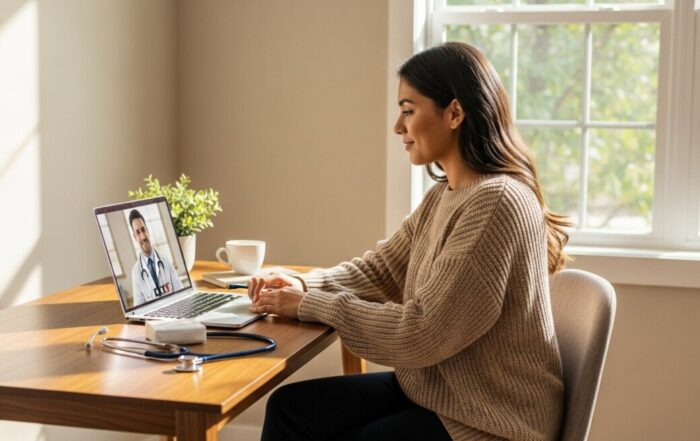
Telemedicine has expanded access to preventive care. For many people, a virtual annual physical can replace or supplement an in-person visit. During a DoctorsHome telemedicine appointment, you will complete an online health questionnaire and then speak with a licensed provider via video or phone. The provider reviews your history, discusses any symptoms, and determines whether you need lab work or an in-person follow-up. If lab tests are needed, you can order an at-home kit and collect samples on your own schedule.
This approach works well for individuals who have difficulty traveling, have busy schedules, or prefer the privacy of a virtual visit. It does not replace the hands-on components of a physical exam like listening to your heart or feeling your abdomen, but it can still address many preventive needs. Your provider will let you know if an in-person visit is necessary for certain screenings or physical findings. In our guide on what happens at an adult annual physical exam, we explain how the process adapts to different care settings.
After the Exam: Understanding Your Results
Once your physical exam and any lab work are complete, your doctor will review the results and share them with you. This may happen during the same visit, through a patient portal, or during a follow-up call. Pay close attention to any values marked as outside the normal range. Ask your provider what those numbers mean for your health and whether you need to take action. For example, slightly elevated blood sugar might be managed with diet and exercise, while a significant abnormality could require medication.
Your doctor will also provide a summary of recommendations. These might include scheduling a follow-up appointment, starting a new prescription, changing a medication dosage, or making lifestyle adjustments. Write down the key takeaways so you can refer to them later. If you have questions after the visit, do not hesitate to call the office or send a message through the patient portal. Proactive follow-up ensures that nothing falls through the cracks.
The annual physical exam is more than a checklist. It is a partnership between you and your healthcare provider. By showing up prepared and engaged, you take an active role in your well-being. Whether you choose an in-person visit or the convenience of telemedicine through DoctorsHome, the goal remains the same: catch problems early, optimize your health, and build a foundation for a vibrant future.
About the Author: Emily Rodriguez




Sign up for our newsletter and Save 20% on Test Kits
"*" indicates required fields