
Electronic Medical Records Systems Complete Guide
Electronic Medical Records Systems Complete Guide
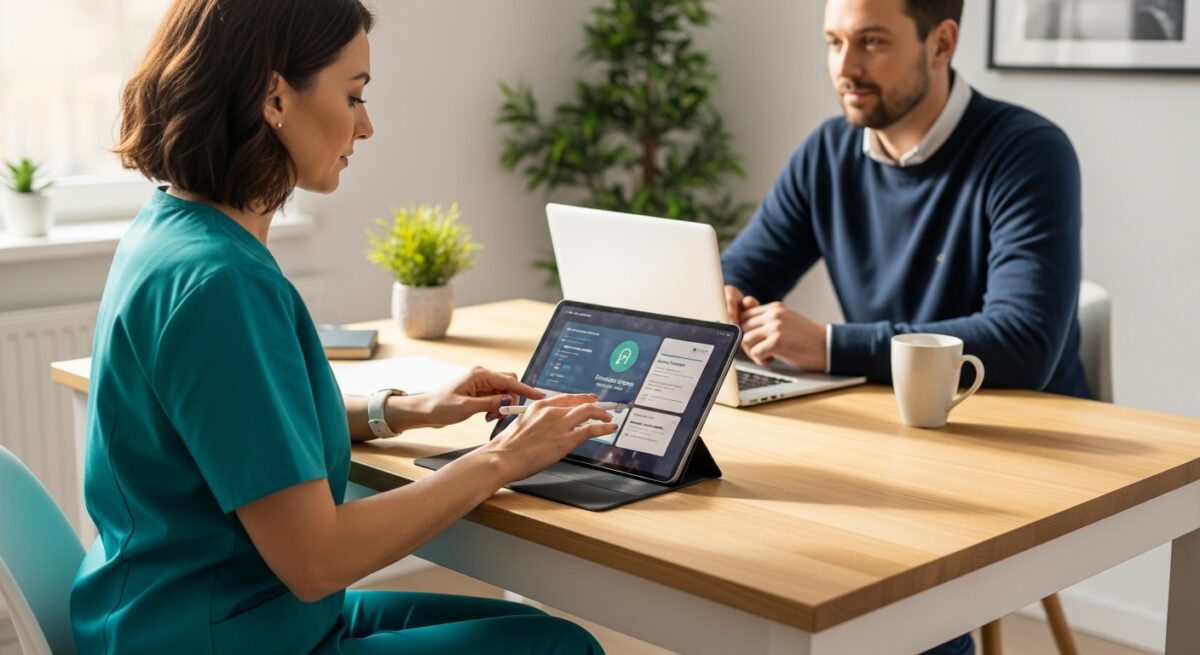
When a patient walks into a clinic or connects with a provider through a telemedicine platform, the information that makes care possible must flow quickly, accurately, and securely. That is where electronic medical records systems come into play. These digital frameworks replace paper charts and fragmented files with a centralized, searchable record of a patient’s health history. For healthcare professionals, using the right system can mean the difference between a smooth workflow and a chaotic day. For patients, it often translates into faster diagnoses, fewer redundant tests, and better coordination among specialists. In this Electronic Medical Records Systems Complete Guide, we will explore how these systems work, what to look for when choosing one, and why they matter for both traditional clinics and modern telehealth services like DoctorsHome.
What Are Electronic Medical Records Systems?
An electronic medical records system (often abbreviated as EMR) is a digital version of the paper charts that clinicians have used for decades. It contains the medical and treatment history of a patient within one practice. Unlike a broader electronic health record (EHR), which is designed to share information across different healthcare providers, an EMR is typically confined to a single organization. That said, many modern platforms blur the line between electronic medical records and electronic health records, offering interoperability features that allow data to move between hospitals, labs, and pharmacies.
The core function of any EMR is to store patient data such as diagnoses, medications, immunization dates, allergies, lab results, and physician notes. By digitizing this information, providers can access it instantly, reduce errors caused by illegible handwriting, and generate alerts for drug interactions or overdue screenings. For a telemedicine platform such as DoctorsHome, integrating a robust EMR ensures that when a patient fills out an online form for a herpes virus prescription or an eye allergy medication, the doctor reviewing the case has immediate access to the patient’s history, past prescriptions, and any relevant test results.
Key Benefits of Adopting an EMR System
Healthcare organizations that transition from paper to digital records often see dramatic improvements in efficiency and patient safety. One of the most immediate benefits is the elimination of lost files. In a paper-based system, a single misfiled chart can delay a consultation by hours or even days. With an EMR, the record is always available with a few clicks. This is especially valuable in telemedicine, where the patient and provider are not in the same physical location and rely entirely on accurate data to make informed decisions.
Another major advantage is clinical decision support. Many electronic medical records systems include built-in tools that flag potential issues. For example, if a doctor prescribes a medication that could interact negatively with a patient’s current regimen, the system can issue a warning before the prescription is finalized. This feature alone has been shown to reduce adverse drug events significantly. Additionally, EMRs enable data aggregation for population health management. A clinic can quickly identify which patients are due for a flu shot or which diabetic patients have not had their hemoglobin A1c checked recently, allowing for proactive outreach.
Cost savings also factor into the equation. While the upfront investment in an EMR can be substantial, the long-term savings from reduced paperwork, fewer duplicate tests, and improved billing accuracy often offset the initial expense. For smaller practices and telemedicine providers, cloud-based EMR solutions have lowered the barrier to entry, offering subscription pricing that eliminates the need for expensive on-site servers.
Enhanced Patient Engagement Through Portals
Many EMR systems now include patient portals, which allow individuals to view their own health records, request prescription refills, schedule appointments, and send secure messages to their providers. This transparency empowers patients to take a more active role in their care. For a service like DoctorsHome, where discretion and convenience are paramount, a patient portal can provide a streamlined way for users to track their at-home test kit orders, review lab results, and communicate with their doctor without making a phone call.
How to Choose the Right Electronic Medical Records System
Selecting an EMR is one of the most consequential decisions a healthcare organization can make. The wrong choice can lead to workflow disruptions, frustrated staff, and even lost revenue. To make an informed decision, providers should evaluate systems based on several critical criteria. We have outlined the most important factors below.
- Specialty-specific functionality: A dermatology practice has different documentation needs than a cardiology clinic. Look for an EMR that offers templates and workflows tailored to your specialty.
- Interoperability and data exchange: The system should be able to send and receive data from labs, pharmacies, hospitals, and other EMRs using standards like HL7 or FHIR.
- Usability and training support: A steep learning curve can cripple productivity. Choose a vendor that provides comprehensive onboarding and ongoing technical support.
- Compliance and security: The EMR must meet HIPAA requirements, include audit trails, and offer encryption for data at rest and in transit.
- Cost and scalability: Consider both the initial implementation cost and the recurring subscription or maintenance fees. Ensure the system can grow with your practice.
After evaluating these factors, many providers find it helpful to request a demo or trial period. Seeing the software in action with real patient scenarios can reveal whether the interface is intuitive and whether the reporting tools meet the practice’s needs. For telemedicine-focused organizations, integration with video consultation platforms and e-prescribing services is particularly important.
Electronic Medical Records Companies: What to Look For
The market for electronic medical records companies is crowded, with options ranging from industry giants to niche startups. Established names such as Epic, Cerner, and Meditech dominate the hospital space, but their systems are often expensive and require significant IT infrastructure. For smaller practices and telehealth providers, cloud-based vendors like Practice Fusion, Kareo, and Athenahealth offer more affordable, scalable solutions. When vetting electronic medical records companies, it is wise to ask about their data migration process, uptime guarantees, and how they handle software updates. A vendor that releases frequent, seamless updates can keep your system current without disrupting your daily operations.
Another consideration is the company’s track record with customer support. In a busy clinic, a system outage can bring patient care to a halt. Look for vendors that offer 24/7 support and have a reputation for resolving issues quickly. Reading reviews from other providers in your specialty can provide valuable insight into the real-world performance of the software.
Integrating EMR with Telemedicine: A Natural Fit
Telemedicine has grown from a niche offering to a mainstream mode of healthcare delivery. Platforms like DoctorsHome depend on seamless data flow between the patient intake form, the physician’s review, and the pharmacy fulfillment system. An integrated EMR makes this possible. When a patient submits an online form for an eye allergy medication, the EMR can automatically check for contraindications, verify the patient’s identity, and generate a prescription order that is sent directly to the pharmacy. This reduces manual data entry and minimizes the risk of errors.
Furthermore, the combination of telemedicine and EMRs supports continuity of care. If a patient uses DoctorsHome for a herpes virus prescription and later visits a primary care physician who uses the same or an interoperable EMR, the primary care doctor can see the treatment history. This coordination is essential for managing chronic conditions and avoiding duplicate therapies. As the healthcare industry moves toward value-based care models, the ability to share information across settings will only become more critical.
Common Challenges and How to Overcome Them
Despite the clear benefits, implementing an electronic medical records system is not without obstacles. One of the most common complaints from clinicians is that EMRs can be time-consuming to use, especially if the interface is cluttered or requires excessive clicking to complete a task. This phenomenon, often called documentation burden, can contribute to physician burnout. To mitigate this, practices should prioritize usability during the selection process and customize templates to match their typical workflows.
Data migration is another hurdle. Moving years of paper records or transferring data from an old EMR to a new one can be a complex, error-prone process. It is essential to work closely with the vendor to map data fields correctly and to run thorough tests before going live. A phased rollout, starting with a single department or location, can help identify issues before the system is deployed practice-wide.
Cost remains a concern for many small practices. However, the availability of cloud-based, subscription-priced EMRs has made digital record-keeping accessible to even the smallest clinics. Additionally, federal incentive programs in some regions have offset the cost of adoption. Practices should also factor in the revenue gains from improved billing accuracy and reduced claim denials when calculating the return on investment.
Security and Privacy Considerations
Patient data is among the most sensitive information any organization handles. Electronic medical records systems must comply with strict regulations such as HIPAA in the United States. This includes implementing access controls that ensure only authorized personnel can view or modify records, maintaining audit logs that track who accessed what and when, and encrypting data both in storage and during transmission. For telemedicine providers like DoctorsHome, security is especially important because consultations occur remotely and involve the exchange of personal health information over the internet.
Patients also have rights under HIPAA to request copies of their medical records and to ask for corrections if they find errors. A good EMR makes it easy for providers to fulfill these requests promptly. When evaluating electronic medical records companies, ask about their security certifications, data backup procedures, and breach notification policies. A vendor that undergoes regular third-party security audits is generally a safer bet.
Future Trends in Electronic Medical Records
The landscape of electronic medical records is evolving rapidly. Artificial intelligence is beginning to play a role in clinical decision support, with algorithms that can analyze medical images, predict patient deterioration, and suggest treatment options. Natural language processing tools are also being integrated into EMRs to help physicians dictate notes that are automatically inserted into the correct fields, reducing the time spent on documentation.
Interoperability continues to be a major focus. The adoption of FHIR (Fast Healthcare Interoperability Resources) standards is making it easier for different systems to exchange data in real time. This is good news for patients who see multiple specialists or who use both in-person and telemedicine services. In the near future, a patient’s complete health record may be accessible from any provider they choose, regardless of the EMR system that provider uses.
Patient-generated health data is another emerging trend. Wearable devices and at-home testing kits, like those offered by DoctorsHome, can feed data directly into an EMR. This allows providers to monitor a patient’s condition between visits and make adjustments to treatment plans proactively. For example, a patient using a continuous glucose monitor could have their readings automatically uploaded to the EMR, where the care team can review trends and intervene if levels become dangerous.
Practical Steps for Implementing an EMR
If you are ready to adopt or upgrade an electronic medical records system, following a structured approach can increase your chances of success. Start by assembling a selection committee that includes physicians, nurses, administrative staff, and IT personnel. Each group will have different priorities, and involving them early builds buy-in. Next, define your requirements clearly. What features are non-negotiable? What is your budget? How many users will the system need to support?
Once you have narrowed the field to two or three vendors, schedule demonstrations and ask to see workflows that mirror your own. For example, if you run a telemedicine practice, ask the vendor to show how a virtual visit is documented and how prescriptions are sent electronically. Check references from other organizations similar to yours in size and specialty. Finally, plan your implementation timeline carefully, allowing time for data migration, hardware setup, and staff training. Go-live is rarely perfect, so prepare for a period of adjustment and have vendor support readily available.
For those exploring options, our detailed comparison of best electronic medical records systems for providers can help you evaluate leading platforms side by side.
Why This Matters for Your Healthcare Journey
Whether you are a clinician looking to streamline your practice or a patient seeking more coordinated care, understanding electronic medical records systems is valuable. These systems are the backbone of modern healthcare, enabling everything from quick prescription refills to complex chronic disease management. Telemedicine platforms like DoctorsHome rely on EMR technology to deliver the convenience and discretion that patients expect. By choosing the right system and using it effectively, healthcare providers can improve outcomes, reduce costs, and enhance the patient experience. As the industry continues to innovate, staying informed about electronic medical records and electronic health records will help you make better decisions for your health or your practice.
If you are considering a telehealth solution that integrates seamlessly with modern EMR workflows, explore how DoctorsHome’s platform connects patients with licensed providers for conditions ranging from herpes virus to eye allergies, and take advantage of our convenient at-home testing kits. The future of healthcare is digital, and the right electronic medical records system is the foundation upon which that future is built. For more information on how technology is reshaping patient care, visit moving.homes to see how digital tools are transforming the healthcare landscape.
About the Author: David Reynolds





Sign up for our newsletter and Save 20% on Test Kits
"*" indicates required fields