Digitizing Health Records: Key Benefits and Challenges

Digitizing Health Records: Key Benefits and Challenges

The shift from paper-based files to electronic systems is reshaping how medical data is stored, accessed, and shared. The digitization of health records benefits and challenges are becoming central topics for healthcare providers, policymakers, and patients alike. As more clinics and hospitals move away from physical charts, understanding what this transition means for patient care, data security, and operational efficiency is essential. This article explores the real-world impact of digitalizing medical information, offering a balanced look at the advantages and the obstacles that come with modernizing healthcare documentation.

What Does Digitization of Health Records Mean?

Digitization of health records refers to the process of converting paper-based patient files into electronic formats. This includes medical histories, lab results, imaging reports, prescriptions, and treatment plans. Unlike simple scanning, true digitalization involves creating structured, searchable data that can be integrated into electronic health record (EHR) systems. These systems allow healthcare professionals to access patient information instantly, update records in real time, and share data across different facilities securely.

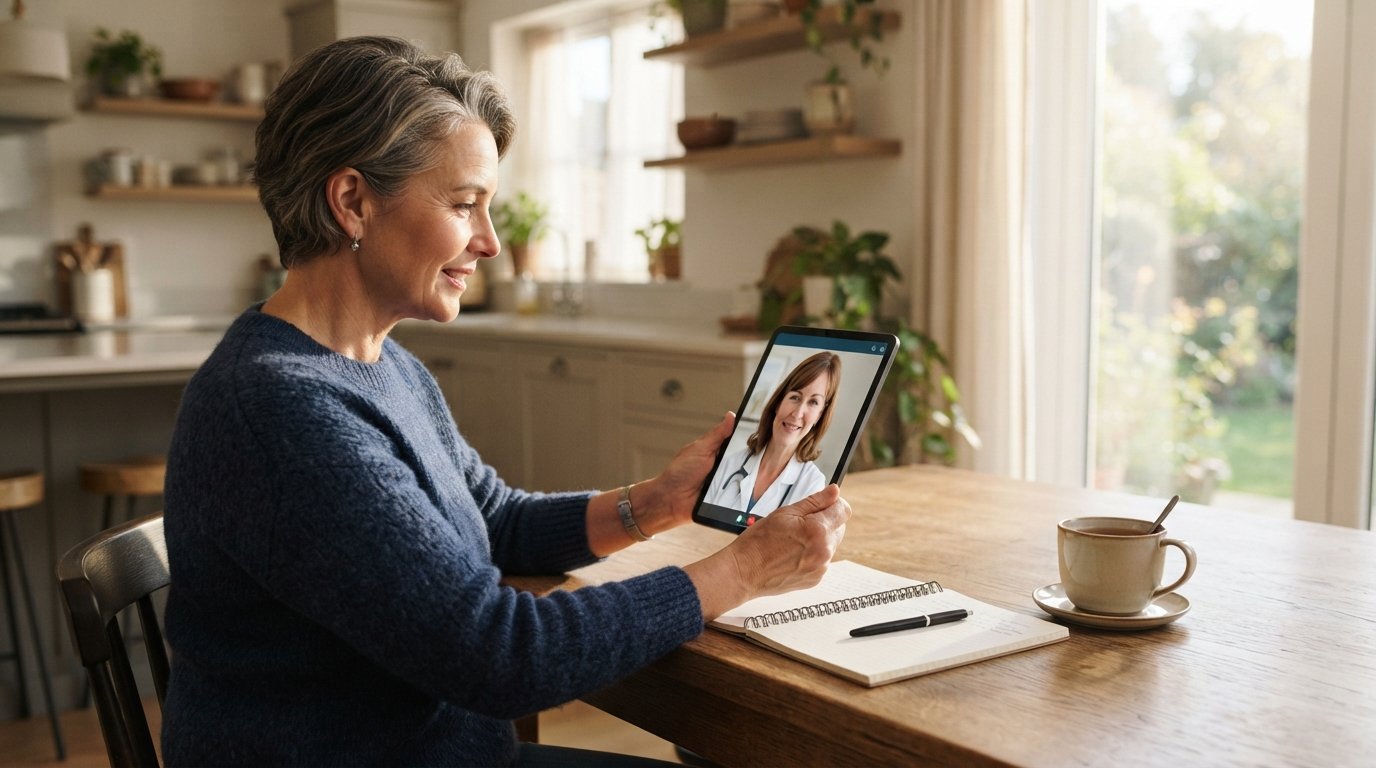
The move toward digital records is not just about convenience. It represents a fundamental change in how medicine is practiced. With digital records, a doctor in a telemedicine setting can review a patient’s full history during a virtual consultation, reducing the need for repeated tests and improving diagnostic accuracy. For platforms like DoctorsHome, which offer remote consultations and prescription services, digital records are the backbone of efficient care delivery. Patients fill out an online form, a doctor reviews their information, and products are delivered discreetly within days. This streamlined process relies entirely on the seamless flow of digital health data.

Key Benefits of Digitizing Health Records

Improved Accessibility and Coordination of Care

The most immediate benefit of digital health records is accessibility. Authorized providers can view patient data from any location, at any time. This is particularly valuable in telemedicine, where patients consult with doctors remotely. When a patient uses a service like DoctorsHome for an eye allergy prescription or a herpes virus treatment, the physician can access their digital history instantly. This eliminates the need for patients to carry paper records or repeat their medical history during every visit.

Care coordination also improves dramatically. Specialists, primary care physicians, and pharmacists can all access the same up-to-date information. This reduces the risk of conflicting treatments, duplicate tests, and medication errors. For example, if a patient sees an allergist and later consults a telemedicine doctor for a different issue, both providers can see the full picture. This continuity of care is nearly impossible with fragmented paper records.

Enhanced Patient Safety and Reduced Errors

Digital records significantly reduce medical errors. Illegible handwriting on paper prescriptions is a well-known cause of medication mistakes. Electronic prescribing eliminates this risk entirely. Systems can also flag potential drug interactions, allergies, and incorrect dosages before a prescription is finalized. For patients using telemedicine platforms, this safety net is built into the process. When a doctor prescribes medication through DoctorsHome, the system can automatically check for conflicts with existing medications listed in the patient’s digital record.

Furthermore, digital records support evidence-based medicine. Providers can easily access clinical guidelines, patient history, and lab trends to make informed decisions. Alerts for overdue screenings, abnormal test results, or chronic disease management milestones keep care on track. This proactive approach prevents complications and improves long-term health outcomes.

Operational Efficiency and Cost Savings

For healthcare organizations, digitization reduces administrative burdens. Staff spend less time searching for files, manually entering data, and managing paper storage. Electronic records can be backed up instantly, eliminating the risk of losing critical information due to fire, flood, or misfiling. Billing and coding become more accurate because digital systems link diagnoses, procedures, and insurance claims directly.

These efficiencies translate into cost savings. A study by the Office of the National Coordinator for Health Information Technology found that hospitals using comprehensive EHR systems saw significant reductions in medication errors, test duplication, and administrative labor costs. For telemedicine providers, digital records enable faster patient intake and follow-up, allowing them to serve more patients without sacrificing quality. The savings can be passed on to patients in the form of more affordable healthcare access.

Empowerment Through Patient Portals and Data Ownership

Digital records also empower patients. Many EHR systems include patient portals where individuals can view their own medical history, lab results, and immunization records. This transparency encourages patients to take an active role in their health. They can prepare questions for appointments, track chronic conditions, and share accurate information with different providers.

Patients also gain more control over who accesses their data. Consent management features allow them to grant or revoke permissions for specific providers or family members. In the context of telemedicine, this is especially important. When using a service like DoctorsHome, patients expect their information to remain confidential and secure. Digital systems with robust privacy controls make this possible, building trust between patients and remote care providers.

Major Challenges in the Digitization Process

High Implementation Costs and Resource Barriers

Despite the benefits, the digitization of health records benefits and challenges are closely linked to upfront investment. Implementing an EHR system can cost millions of dollars for a hospital network. Small clinics and rural practices often struggle to afford the software, hardware, training, and ongoing maintenance. Even with government incentives, the financial burden can delay adoption for years.

Beyond the initial purchase, there are hidden costs. Data migration from paper to digital format requires meticulous planning and labor. Staff must be trained not only on how to use the system but also on new workflows. Productivity often dips during the transition period as employees adjust. For smaller practices, these challenges can be overwhelming, leading some to postpone digitization indefinitely.

Interoperability and Data Sharing Hurdles

One of the most persistent challenges is interoperability. Not all EHR systems communicate with each other. A patient’s records from one hospital may not be readable by a clinic using a different software vendor. This defeats the purpose of seamless data sharing. Patients still end up repeating their history or undergoing duplicate tests when moving between providers.

Efforts to standardize data formats, such as HL7 FHIR (Fast Healthcare Interoperability Resources), are ongoing but have not yet achieved universal adoption. Until all systems speak the same language, the full potential of digital records remains untapped. For telemedicine platforms that aggregate data from multiple sources, this fragmentation creates extra work and potential gaps in patient information.

Digitizing Health Records: Key Benefits and Challenges — Digitization of Health Records Benefits and Challenges

Data Security and Privacy Risks

Digital records are vulnerable to cyberattacks, data breaches, and unauthorized access. Healthcare data is highly valuable on the black market because it contains personal identifiers, financial information, and medical histories. Ransomware attacks have shut down hospital systems, delaying critical care and compromising patient safety.

Compliance with regulations like HIPAA (Health Insurance Portability and Accountability Act) in the United States is mandatory but complex. Providers must implement encryption, access controls, audit trails, and breach notification procedures. For smaller organizations, maintaining robust cybersecurity can be a significant burden. Patients also worry about their private health information being exposed. Telemedicine services must invest heavily in security to maintain patient trust and meet legal requirements.

Resistance to Change and Workflow Disruption

Healthcare professionals are often resistant to new technology. Doctors and nurses who have spent decades using paper charts may find digital systems cumbersome and time-consuming. Data entry requirements can slow down patient encounters, leading to burnout and dissatisfaction. Physicians sometimes complain that they spend more time clicking through screens than interacting with patients.

This resistance is not unfounded. Poorly designed systems with unintuitive interfaces create frustration. Organizations that fail to involve end-users in the selection and implementation process often face low adoption rates. Successful digitization requires change management strategies, ongoing training, and a culture that values continuous improvement. Without these elements, even the most advanced EHR system can fail to deliver its intended benefits.

The Role of Telemedicine in Driving Digital Health Records Adoption

Telemedicine platforms are natural accelerators for digital health records. When patients consult doctors remotely, the entire interaction depends on digital data. Intake forms, medical histories, prescriptions, and follow-up instructions are all managed electronically. This creates a strong incentive for providers to adopt comprehensive EHR systems.

For example, DoctorsHome offers a streamlined process where patients fill out an online form, a doctor reviews their information, and prescriptions or test kits are delivered within days. This model would be impossible without digitized health records. The platform’s success relies on efficient data management, secure storage, and seamless communication between patients, doctors, and pharmacies. As more patients embrace telemedicine for conditions like herpes virus treatment or eye allergies, the demand for integrated digital records will only grow. In our guide on Telehealth Remote Monitoring: Key Patient Care Benefits, we explain how continuous data collection enhances treatment outcomes.

Telemedicine also provides a blueprint for overcoming some digitization challenges. Cloud-based systems reduce upfront hardware costs. Standardized intake forms improve interoperability. Strong encryption and access controls address security concerns. By leveraging these technologies, telemedicine providers demonstrate that digital records can be both practical and secure.

Frequently Asked Questions

What is the difference between digitization and digitalization of health records?

Digitization refers to converting paper records into digital formats (like PDFs or scanned images). Digitalization goes further by integrating these records into electronic health systems that enable data analysis, sharing, and automated workflows. Both are important, but digitalization provides more value for patient care.

How long does it take to fully digitize a healthcare practice?

The timeline varies based on practice size, budget, and existing infrastructure. A small clinic may complete the transition in three to six months. Large hospital networks can take two years or more, including planning, system selection, data migration, training, and go-live support.

Are digital health records more secure than paper records?

Digital records offer stronger security features such as encryption, access logs, and backup systems. However, they are also vulnerable to cyberattacks. Paper records can be lost, stolen, or destroyed by disasters. With proper safeguards, digital records are generally more secure, but they require ongoing maintenance and vigilance.

Can patients request that their records not be digitized?

In most healthcare settings, patients cannot opt out of digital records entirely because providers are required to maintain certain standards of recordkeeping. However, patients can request restrictions on how their data is shared. They should discuss privacy concerns with their healthcare provider and review the organization’s data use policies.

What happens to old paper records after digitization?

Organizations typically retain paper records for a period defined by state and federal laws, often several years. After that, they may be securely shredded or archived. During the transition, both paper and digital versions are maintained to ensure no information is lost. Once the digital system is verified as complete and accurate, paper records are phased out.

Looking Ahead: The Future of Digital Health Records

The digitization of health records benefits and challenges will continue to evolve as technology advances. Artificial intelligence and machine learning are already being integrated into EHR systems to predict patient risks, suggest treatment options, and automate administrative tasks. Blockchain technology offers potential for even more secure and transparent data sharing. Wearable devices and remote monitoring tools will generate new streams of health data that need to be incorporated into digital records.

For patients, the future promises greater convenience, more personalized care, and better health outcomes. For providers, the key to success lies in choosing systems that prioritize usability, interoperability, and security. Platforms like DoctorsHome are leading the way by demonstrating how digital records enable efficient, accessible, and confidential healthcare. As the industry continues to digitize, the focus must remain on improving patient lives while navigating the inevitable challenges with thoughtful solutions. For more information on managing your health remotely, visit StartAutoLoan.com.

About the Author: Emily Rodriguez

Emily Rodriguez
As a health writer for DoctorsHome, I focus on explaining how telemedicine can make managing conditions like herpes virus and eye allergies more convenient and discreet. I also break down the process of using at-home testing kits for everything from STDs to vitamin levels, helping readers understand what to expect. My background includes years of researching and communicating complex health topics to general audiences, ensuring the information is clear and reliable. I’m committed to helping people feel informed and empowered when choosing online healthcare options, always keeping the emphasis on education rather than medical advice.

Sign up for our newsletter and Save 20% on Test Kits

"*" indicates required fields

This field is hidden when viewing the form