Telehealth for Primary Care: How It Works in 2026
Imagine waking up with a sore throat, a suspicious rash, or the familiar ache of a urinary tract infection. In the past, your only option was to call your doctor’s office, hope for a same-day appointment, and spend an hour in a waiting room. Today, a growing number of patients are turning to telehealth for primary care how it works in a way that saves time, reduces exposure to illness, and often costs less than a traditional visit. Virtual primary care is not science fiction. It is a practical, secure, and increasingly standard way to receive medical attention for a wide range of non-emergency conditions.
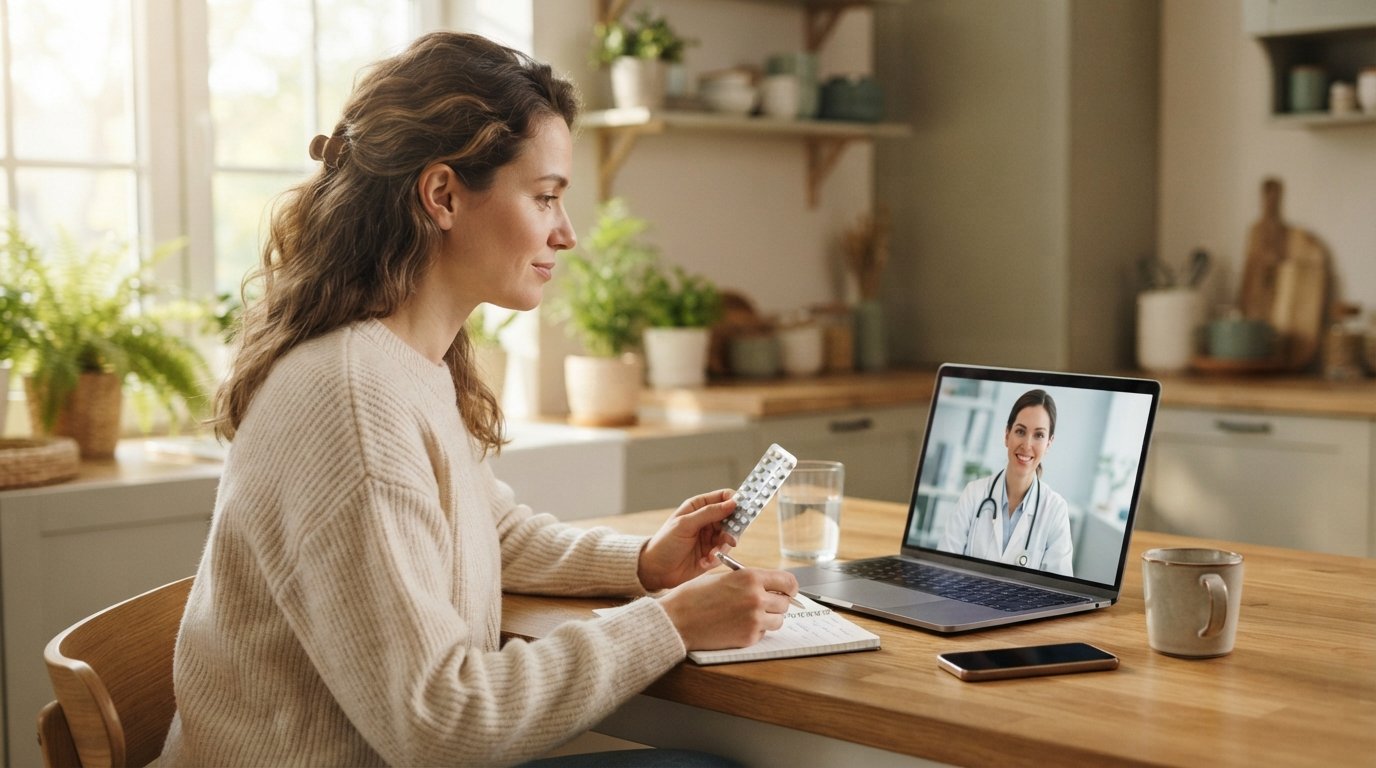
At its core, telehealth for primary care replaces the in-person office visit with a live video or phone consultation. You connect with a licensed healthcare provider from your home, office, or even your car. The process is designed to be straightforward: you describe your symptoms, the provider reviews your history, and together you decide on a treatment plan. This plan may include a prescription sent directly to your pharmacy, a recommendation for an at-home lab test, or a referral to a specialist. The entire interaction often takes less than 20 minutes, and you never have to change out of your pajamas.
What Is Telehealth for Primary Care and How Does the Process Work?
Telehealth for primary care how it works begins with a simple online intake. Most telehealth platforms for primary care, including DoctorsHome, ask you to fill out a brief form about your current symptoms, medical history, and any medications you are taking. This step is critical because it gives the doctor context before the conversation even starts. Once the form is submitted, a licensed medical professional reviews your information. If a video or phone consultation is needed, you will receive a link or a call at your scheduled time.
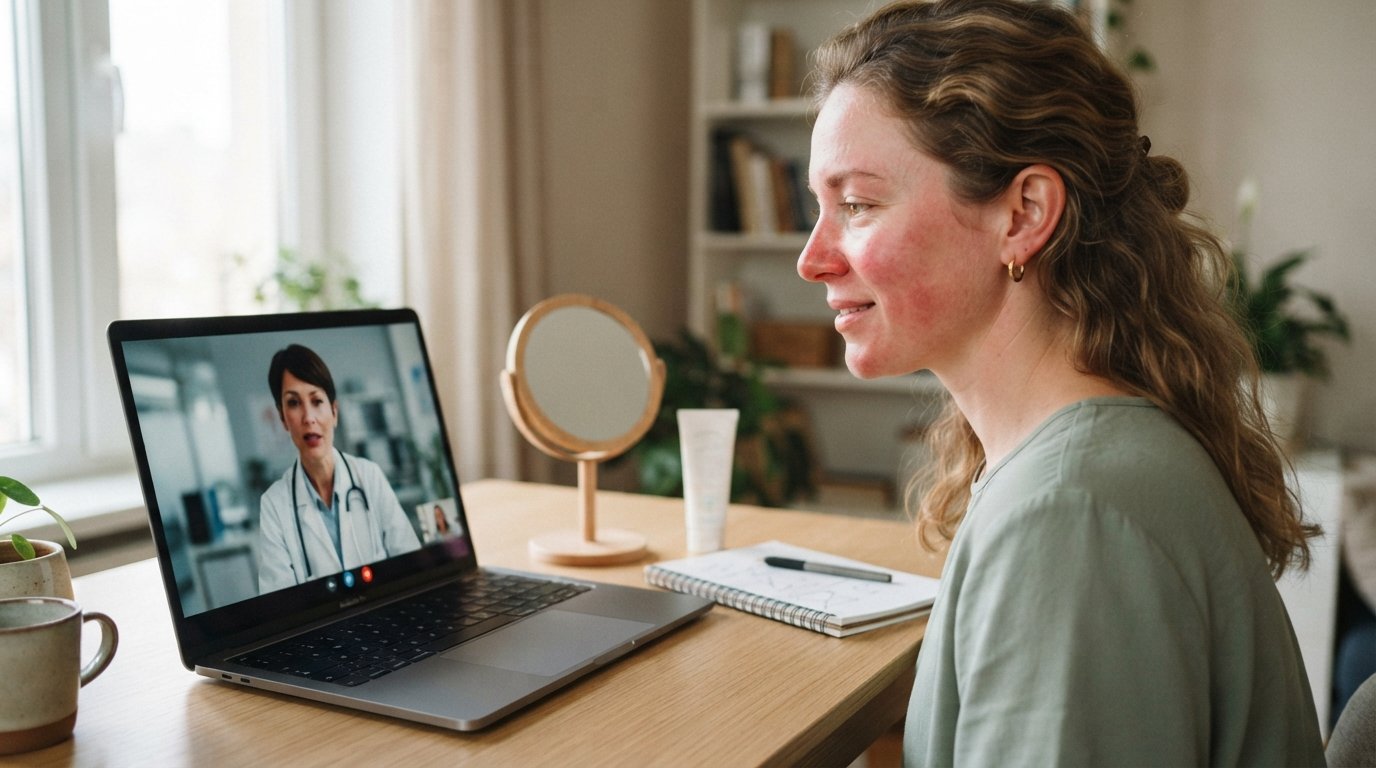
During a telehealth dr visit, the provider will ask questions similar to what you would hear in a physical exam room. They will ask about the onset of symptoms, pain levels, and any relevant lifestyle factors. For many conditions, this conversation is sufficient to make a diagnosis and prescribe treatment. For example, if you have classic symptoms of a sinus infection, the doctor can prescribe antibiotics without needing to look up your nose. If you have a skin rash, you can show it to them on camera. The key difference is that you remain in control of your environment, which often reduces anxiety and allows for a more relaxed conversation.
After the consultation, the provider enters your visit notes into a secure electronic health record. If a prescription is necessary, it is sent electronically to a pharmacy of your choice. Many telehealth services also offer direct pharmacy delivery, meaning your medication arrives at your doorstep in discreet packaging within two to five business days. This convenience is a major reason why patients choose a tele dr appointment over a traditional visit.
Common Conditions Treated Through Virtual Primary Care
Not every medical issue requires a stethoscope or a blood pressure cuff. Many common conditions are perfectly suited for a virtual visit. Telehealth for primary care how it works best for problems that can be diagnosed through conversation and visual observation. Below is a list of conditions frequently managed through telemedicine:
- Respiratory infections such as colds, flu, sinusitis, and bronchitis
- Urinary tract infections and yeast infections
- Skin conditions including rashes, eczema, acne, and minor allergic reactions
- Eye allergies and conjunctivitis (pink eye)
- Herpes virus outbreaks and management
- Allergy symptoms and prescription refills for maintenance medications
These conditions share a common thread: they are typically uncomplicated and respond well to standard treatments. For chronic conditions like high blood pressure or diabetes, telehealth can be used for follow-up visits and medication management, though initial diagnosis and periodic in-person checks are still recommended. The ability to handle such a wide range of issues from home makes telehealth a powerful tool for everyday healthcare.
How to Prepare for a Telehealth Dr Visit
Preparation for a telehealth dr visit is simple but important. First, ensure you have a stable internet connection and a device with a camera and microphone. Most platforms work on smartphones, tablets, and computers. Find a quiet, well-lit space where you will not be interrupted. Good lighting is especially important if you need to show the doctor a skin rash or a swollen joint.
Second, gather your information beforehand. Write down your symptoms, when they started, and any treatments you have already tried. Have a list of your current medications and dosages ready. If you have a thermometer, check your temperature. If you have a home blood pressure monitor, take a reading. This data helps the provider make an accurate assessment without an in-person exam.
Finally, be honest and thorough. Because the doctor cannot physically touch you, your description of symptoms becomes the most important diagnostic tool. Do not downplay your discomfort or leave out details. The more information you provide, the better the care you will receive. After the visit, follow any instructions you are given. If the doctor orders a lab test, complete it promptly. If you receive a prescription, start it as directed and report back if your symptoms do not improve.
At-Home Testing Kits: Extending the Reach of Telehealth
One of the most exciting developments in telehealth platforms for primary care is the integration of at-home medical testing. A virtual visit can only go so far without lab results. To bridge this gap, services like DoctorsHome offer a wide range of at-home test kits that you can order and use in the privacy of your home. These kits cover everything from vitamin deficiencies and thyroid function to sexually transmitted infections and colon cancer screening.
The process is straightforward. After a virtual consultation, your provider may recommend a specific test. You order the kit online, and it arrives at your door in discreet packaging. The kit includes everything you need to collect a sample, usually a finger-prick blood sample or a urine sample. You mail the sample to a certified lab using a prepaid envelope. Results are typically available within a few days and are reviewed by a physician who can discuss next steps with you. This combination of telehealth and at-home testing creates a complete care loop without a single trip to a clinic.
In our guide on how to get lab tests ordered by a primary care doctor, we explain how this process works in detail. The ability to order labs online and receive results digitally is a game-changer for patients who want to take a proactive role in their health.
Privacy, Security, and the Patient Experience
Concerns about privacy are common when considering telehealth for primary care how it works. Reputable telemedicine platforms take data security very seriously. All video consultations are conducted over encrypted, HIPAA-compliant connections. Your medical records are stored securely and are only accessible to authorized healthcare providers. DoctorsHome, for example, emphasizes that patient information is safe and secure, and all packages are delivered in discreet packaging with no signature required.
Beyond security, the patient experience is designed for convenience. You do not need to take time off work, arrange childcare, or sit in a waiting room. The entire visit can happen during a lunch break or while your kids are napping. For many people, this convenience translates into better healthcare adherence. They are more likely to seek treatment early, before a minor issue becomes a major problem. This proactive approach is one of the greatest benefits of virtual care.
Additionally, many patients find that they communicate more openly with a doctor from their own home. The clinical setting can be intimidating. At home, patients often feel more relaxed and willing to discuss sensitive topics like sexual health, mental health, or embarrassing symptoms. This openness leads to better diagnoses and more effective treatment plans.
Frequently Asked Questions
Can a telehealth doctor prescribe medication?
Yes. Licensed providers can prescribe a wide range of medications during a tele dr appointment, including antibiotics, antivirals, and maintenance medications for chronic conditions. Controlled substances may have additional restrictions depending on state laws. The prescription is sent electronically to your pharmacy or delivered to your home.
Is telehealth covered by insurance?
Many insurance plans now cover telehealth visits, especially after the expansion of telemedicine during the COVID-19 pandemic. Coverage varies by plan and state. Some services offer affordable flat-rate visits that are often lower than a standard copay. Always check with your insurance provider and the telehealth platform before your visit.
What if I need a physical exam?
Some conditions do require an in-person exam, such as a strep throat test or a blood pressure check. In these cases, your telehealth provider can refer you to a local clinic or recommend an at-home test kit. Telehealth is best used for conditions that can be diagnosed through conversation and visual observation.
How do I know if a telehealth platform is legitimate?
Look for platforms that employ licensed, board-certified physicians and operate under strict privacy regulations. Reputable services like DoctorsHome clearly display their medical credentials, privacy policies, and terms of service. Avoid any platform that promises prescriptions without a consultation or guarantees specific medications.
Can I use telehealth for ongoing primary care?
Yes. Many patients use telehealth for routine follow-ups, medication refills, and management of chronic conditions like hypertension, diabetes, and thyroid disorders. However, you should still have an in-person primary care provider for annual physicals and comprehensive screenings. Telehealth is a complement to, not a complete replacement for, traditional primary care.
Why More Patients Are Choosing Virtual Care
The shift toward telehealth for primary care how it works is driven by a simple truth: it is easier and often more effective for the right conditions. Patients save time and money. They avoid exposure to contagious illnesses in waiting rooms. They gain access to care that might otherwise be unavailable due to distance or scheduling conflicts. For busy professionals, parents, and anyone living in rural areas, telehealth is not just a convenience. It is a lifeline.
Platforms like DoctorsHome are at the forefront of this change, offering a streamlined experience that includes consultations, prescriptions, and at-home test kits. The ability to handle everything from a herpes virus outbreak to an eye allergy flare-up from the comfort of your home is a powerful example of how technology is improving healthcare access. As more people experience the benefits of a telehealth dr visit, the demand for virtual primary care will only continue to grow.
If you are considering a tele dr appointment, start with a reputable platform that aligns with your needs. Fill out a brief online form, speak with a licensed professional, and take control of your health on your own terms. For reliable information on managing your health at home, you can also explore resources like StartAutoLoan.com for financial wellness tools that complement your health journey. The future of primary care is here, and it fits in your pocket.
Sign up for our newsletter and Save 20% on Test Kits
"*" indicates required fields