

Your Guide to Nurse Practitioner Telehealth Services
Your Guide to Nurse Practitioner Telehealth Services
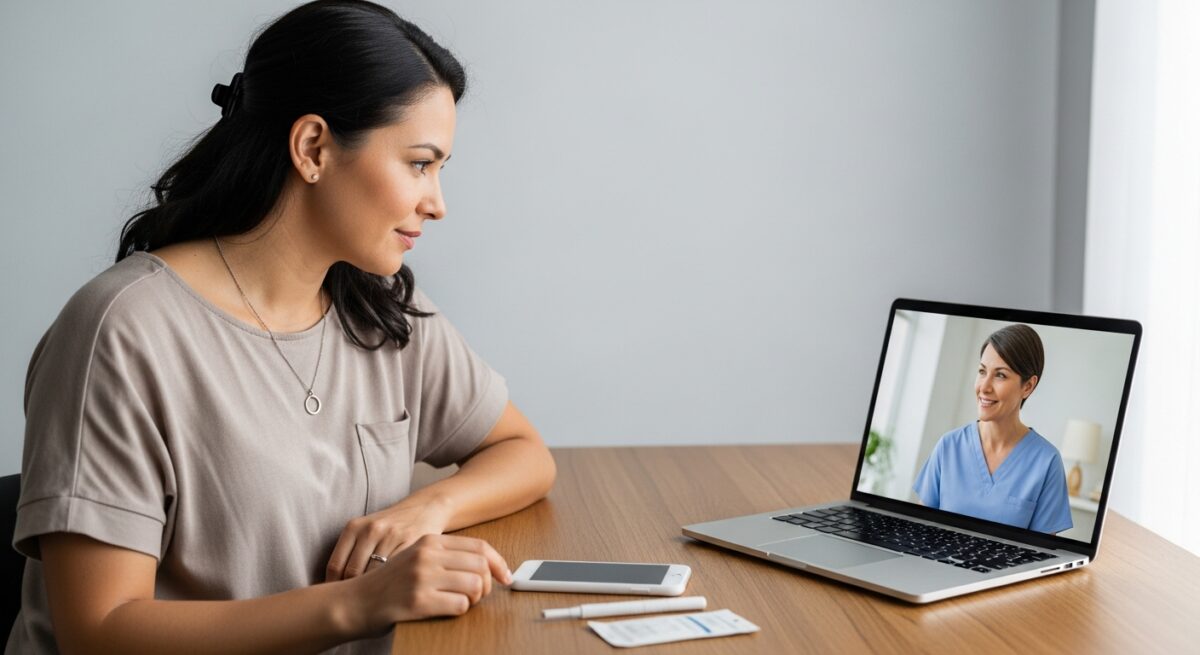
Imagine receiving expert medical care, getting a prescription refilled, or managing a chronic condition from your living room, all through a secure video call with a licensed nurse practitioner. This is the reality of modern healthcare, and it’s transforming how patients access quality medical services. Nurse practitioner telehealth services, often called NP telemedicine, have moved from a niche convenience to a mainstream healthcare pillar, offering a blend of accessibility, expertise, and patient-centered care. For patients navigating this digital shift, understanding what these services entail, when to use them, and how to maximize their benefits is crucial for making informed health decisions. This comprehensive guide breaks down everything you need to know to confidently engage with nurse practitioner-led virtual care.
What Are Nurse Practitioner Telehealth Services?
Nurse practitioner telehealth services refer to the delivery of healthcare by advanced practice registered nurses (APRNs) using digital communication technologies. A nurse practitioner (NP) is a highly trained clinician with a master’s or doctoral degree who can diagnose conditions, order and interpret tests, prescribe medications, and manage treatment plans. In a telehealth context, they perform these duties remotely via video conferencing, phone calls, or secure messaging platforms. This model of care is distinct from simply chatting with a doctor online, it is a structured clinical encounter with a provider who brings a holistic, often more patient-education-focused approach to the visit.
The scope of practice for NPs varies by state, but in many regions, they practice with full autonomy, meaning they can provide care without physician supervision. In a telehealth setting, this autonomy allows for efficient, direct access to care. Patients interact with the NP in real-time, discussing symptoms, showing visual concerns (like a rash via camera), and collaboratively developing a care plan. The foundation of np telehealth is built on the same standards of care as an in-person visit, prioritizing patient safety, privacy under HIPAA regulations, and clinical appropriateness.
Common Conditions and Services Treated via NP Telemedicine
Nurse practitioner telehealth is remarkably versatile, covering a broad spectrum of acute, chronic, and preventive health needs. It is an excellent first line of contact for non-emergency medical issues. Understanding what is appropriate for a virtual visit helps set realistic expectations and ensures you get the right level of care.
For acute conditions, NPs can effectively manage issues like urinary tract infections (UTIs), sinus infections, pink eye, seasonal allergies, cold and flu symptoms, mild asthma flares, and skin conditions such as acne, eczema, or suspected rashes. They can also handle prescription refills for stable chronic conditions, offer smoking cessation counseling, and provide mental health support for anxiety or depression. Preventive care, including lifestyle counseling, medication reviews, and follow-up consultations for chronic disease management, is another strong suit of the NP telehealth model.
It is equally important to know when to seek in-person or emergency care. Telehealth is not suitable for life-threatening emergencies like chest pain, severe shortness of breath, stroke symptoms, major trauma, or severe abdominal pain. Conditions requiring a hands-on physical exam, complex diagnostic procedures, or immediate imaging also necessitate a traditional clinic or emergency room visit. A responsible NP will always direct you to the appropriate level of care if your condition falls outside the safe boundaries of telemedicine.
The Patient Experience: What to Expect Before, During, and After a Visit
Engaging with nurse practitioner telehealth services follows a logical process designed for convenience and clinical thoroughness. Knowing what to expect can alleviate anxiety and help you prepare for a productive session.
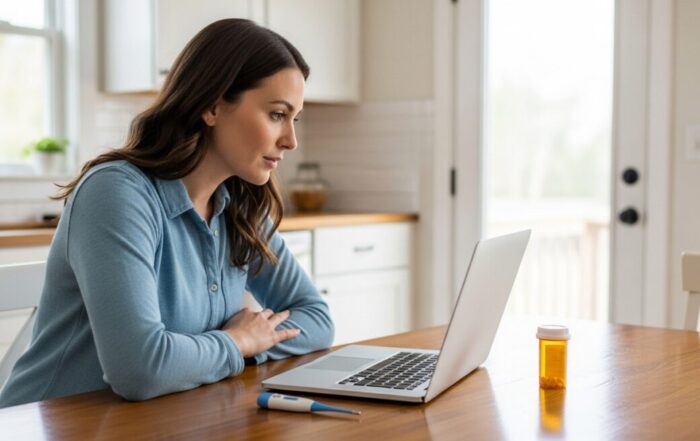
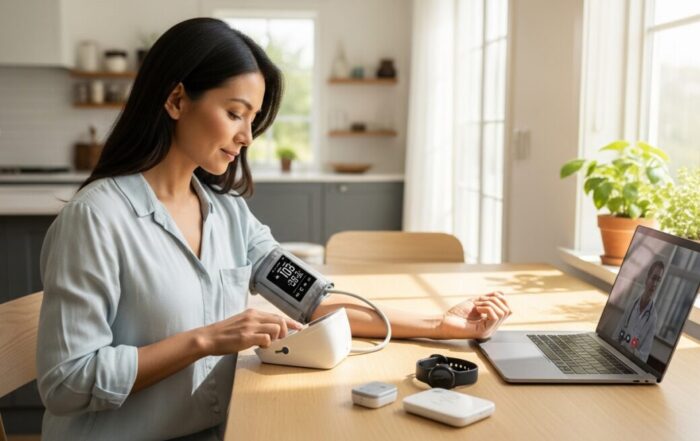
Before your appointment, you will typically need to register on a secure platform, provide your medical history, list current medications and allergies, and submit insurance information or pay a fee. You should prepare by finding a quiet, private space with good lighting and a stable internet connection. Have your pharmacy’s address handy, as well as any relevant devices, like a thermometer or blood pressure cuff. Write down your symptoms, including when they started, their severity, and any factors that make them better or worse.
During the visit, the NP will greet you and verify your identity. The conversation will mirror an in-office visit: you’ll describe your chief complaint, the NP will ask clarifying questions, and they may conduct a visual exam. Be prepared to describe your symptoms clearly. For example, instead of “I have a headache,” say, “I have a throbbing pain on the right side of my head that started yesterday and is worsened by light.” The NP will then discuss a potential diagnosis, explain the treatment plan, and if appropriate, send an electronic prescription directly to your pharmacy. They will also outline follow-up steps, which may include scheduling another virtual check-in or recommending an in-person visit for labs or further evaluation.
After the visit, you will usually receive a visit summary via the patient portal. It is your responsibility to follow the treatment plan, pick up any prescriptions, and complete recommended follow-up. Many platforms allow for secure messaging if you have questions after the appointment. Understanding this flow demystifies the process and empowers you to be an active participant in your virtual care. For a deeper look at navigating the financial and access aspects of this model, our guide on how to access affordable telehealth services provides valuable context.
Key Benefits and Advantages for Patients
The rise of nurse practitioner telemedicine is driven by tangible benefits that address long-standing challenges in healthcare access and delivery. For patients, these advantages are transformative.
First and foremost is improved access. Telehealth eliminates geographical barriers, bringing specialized care to rural areas and patients with mobility issues. It also expands temporal access, with often more flexible scheduling, including evening and weekend appointments, reducing the need to take significant time off work or arrange childcare. This convenience is a major factor in patient satisfaction and adherence to care plans.
Second, NP telehealth can lead to significant cost savings. Virtual visits often have lower co-pays than in-person specialist visits and eliminate travel costs. For the healthcare system and insurers, reducing unnecessary emergency room visits for minor issues represents massive savings, a benefit that can trickle down to patients in the form of lower premiums. Furthermore, early intervention via telehealth can prevent minor conditions from escalating into more serious, expensive health problems.
Third, this model excels in chronic disease management. Regular, convenient check-ins with an NP help patients better manage conditions like diabetes, hypertension, or COPD. The NP can monitor symptoms, adjust medications, and provide continuous education and support, leading to better health outcomes and improved quality of life. The continuity of care possible through a dedicated NP telehealth provider fosters a strong, trusting patient-provider relationship.
Critical Considerations: Privacy, Technology, and Limitations
While the benefits are compelling, a savvy patient must also consider the practicalities and limitations of telehealth. Being informed ensures a safe and effective experience.
Privacy and security are paramount. Reputable platforms use encryption and comply with HIPAA to protect your health information. You must also do your part by conducting your visit in a private location, using a secure Wi-Fi network (avoid public hotspots), and ensuring no one can overhear your conversation. Ask the telehealth provider about their specific security measures and data handling policies before your visit.
Technology can be a barrier. You need a reliable device (smartphone, tablet, or computer) with a camera and microphone, plus a stable internet connection. Digital literacy is required to navigate the platform. Many services offer technical support, but testing your setup before the appointment is wise. Also, consider your own comfort level with describing symptoms without a physical exam, some conditions are simply harder to assess virtually.
Finally, understand the limitations. Not all conditions are suitable for telehealth. There are also state licensure laws, an NP licensed in one state generally cannot provide care to a patient residing in another. Insurance coverage for np telehealth continues to evolve, so always verify your benefits beforehand to avoid surprise bills. Being aware of these factors allows you to use telehealth strategically as one powerful tool within your broader healthcare toolkit.
Frequently Asked Questions (FAQs)
Can a nurse practitioner prescribe medication during a telehealth visit?
Yes, in most cases. A licensed NP has prescribing authority and can electronically send prescriptions to your pharmacy for a wide range of medications appropriate for telehealth-managed conditions. However, they cannot prescribe controlled substances (like certain pain medications or ADHD drugs) in many states via telehealth alone due to federal and state regulations.
How does the cost of an NP telehealth visit compare to an in-person doctor visit?
Telehealth visits are often less expensive. Many insurance plans now offer lower co-pays for virtual visits to incentivize their use. Self-pay rates for direct-to-consumer telehealth services are also typically set below the cost of an urgent care or primary care office visit, offering clear, upfront pricing.
Is the quality of care from a nurse practitioner via telehealth as good as seeing a doctor in person?
For conditions appropriate for telehealth, the quality of care is equivalent and often enhanced by greater accessibility. NPs are trained to a high standard of diagnostic and clinical decision-making. The key is appropriateness, for suitable conditions, the evidence shows telehealth outcomes are comparable to in-person care.
What technology do I need for a successful telehealth appointment?
You need a device with a video camera, microphone, and speaker (a smartphone, tablet, or computer), a strong internet connection, and up-to-date internet browser or the platform’s app. Ensure you have a quiet, private space with good lighting so the NP can see you clearly if a visual exam is needed.
Can I use NP telehealth services for my child or an elderly parent?
Yes, most platforms allow you to schedule visits for dependents. You will typically need to be present during the visit to provide history and consent for treatment if you are the legal guardian. This can be especially helpful for pediatric sick visits or checking in on aging parents.
Nurse practitioner telehealth services represent a significant and positive shift in healthcare delivery, placing patient convenience, access, and continuous management at the forefront. By understanding what these services offer, how to prepare for a visit, and their appropriate use, you can confidently integrate virtual care into your health strategy. This model empowers you to take a more active role in your well-being, connecting with expert clinicians like NPs on your terms. As technology and regulations continue to evolve, NP telemedicine is poised to remain an essential, patient-preferred component of a modern, effective healthcare system.
About the Author: Amanda Lee


Sign up for our newsletter and Save 20% on Test Kits
"*" indicates required fields