
Your Guide to At Home Hormone Test Kits and Results
Your Guide to At Home Hormone Test Kits and Results
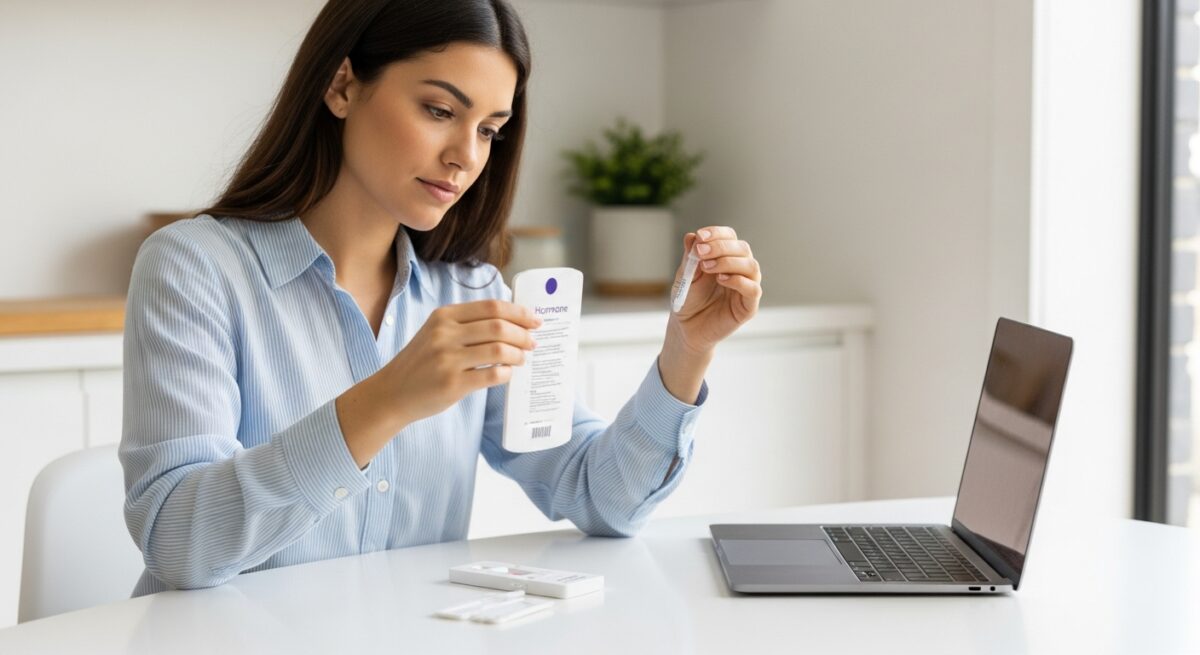
Understanding your hormonal health is a cornerstone of overall wellness, influencing everything from energy and mood to metabolism and reproductive function. For years, accessing this critical information meant scheduling doctor’s appointments, navigating lab referrals, and often facing significant costs and wait times. Today, the landscape of personal health monitoring has been transformed by at home hormone test kits, offering a new level of accessibility and convenience. This guide will walk you through how these kits work, what they can and cannot tell you, and how to navigate the process from ordering to interpreting your results with professional support, such as that available through telemedicine platforms like Doctors Home.
What Are At Home Hormone Test Kits?
At home hormone test kits are consumer-directed tools that allow you to collect a biological sample, typically saliva, blood from a finger prick, or sometimes urine, in the privacy of your own home. You then mail the sample to a certified laboratory for analysis. The lab processes your sample and provides a detailed report, often accessible through a secure online portal, that measures the levels of specific hormones in your body. These kits are designed for ease of use, with clear instructions and all necessary collection materials included in the package.
The hormones commonly tested include cortisol (the stress hormone), thyroid hormones (TSH, T3, T4), sex hormones like estrogen, progesterone, and testosterone, and markers like DHEA-S. Different kits target different concerns. For instance, a kit for women experiencing perimenopause might focus on estrogen and progesterone fluctuations, while a kit for someone investigating chronic fatigue might prioritize adrenal and thyroid function. It is crucial to understand that these are screening tools, not diagnostic instruments. They provide valuable data points and trends, but a definitive medical diagnosis and treatment plan must always come from a licensed healthcare provider who can consider your full clinical picture.
Evaluating and Choosing the Right Kit
With numerous brands on the market, selecting a high-quality at home hormone test kit requires careful consideration. Not all kits are created equal, and the value of your results depends heavily on the reliability of the testing process. The first and most critical factor is laboratory certification. Look for kits that use laboratories certified by the Clinical Laboratory Improvement Amendments (CLIA). CLIA certification is a federal standard that ensures the lab meets specific quality and accuracy benchmarks. This is non-negotiable for trustworthy results.
Next, examine the sample collection method. Finger-prick blood tests (capillary blood) have become very common and are generally reliable for hormone testing. Saliva tests are also popular for hormones like cortisol, which has a diurnal rhythm best captured through multiple saliva samples throughout a day. Consider which method you are most comfortable performing correctly, as proper collection is vital for accuracy. Finally, review what the kit includes. A comprehensive kit should provide not just raw numbers, but also a clear report with reference ranges for your age and sex, and some level of explanation for the results. Some services bundle a consultation with a healthcare professional to discuss your findings, which adds significant value.
Before you purchase, ask these key questions:
- Is the testing laboratory CLIA-certified?
- What is the sample collection method (saliva, blood, urine)?
- Which specific hormones are included in the panel, and does this align with my health questions?
- What is the turnaround time for results?
- Does the service offer any form of clinical review or consultation with the results?
- What is the total cost, and is it a one-time fee or a subscription?
The Testing Process: From Box to Results
Once you have selected and received your kit, following the process meticulously is key to obtaining usable data. Most kits follow a similar workflow. First, you will need to register your kit online, creating an account with the provider. This links your unique kit ID to you and ensures your results are delivered securely. Next, carefully read all instructions before beginning the sample collection. Timing can be critical. For example, cortisol tests often require collection at specific times (like upon waking, noon, evening, and bedtime), and certain sex hormone tests for women need to be taken on a particular day of the menstrual cycle. Fasting may or may not be required depending on the hormones tested.
Collect your sample using the provided tools, ensuring you follow hygiene protocols to avoid contamination. After collection, package the sample in the pre-paid return mailer included in the kit and send it back to the lab promptly. Delays in mailing can sometimes affect sample integrity. The laboratory will then process your sample. Turnaround times vary but typically range from a few days to two weeks. You will receive a notification, usually via email, when your results are ready in your secure online portal.
Understanding Your Hormone Test Report
Receiving your report can be both enlightening and overwhelming. The report will list your hormone levels alongside a reference range, which indicates the expected levels for someone of your age and sex. It is important to remember that “normal” is a broad statistical range, and “optimal for you” might be a narrower zone within that range. A level within the reference range does not automatically mean it is ideal for your personal wellbeing. Conversely, a level outside the range is a flag that warrants professional investigation, not self-diagnosis.
Look for patterns rather than focusing on a single number in isolation. For example, the ratio of progesterone to estrogen is often more telling than the absolute value of either alone. Similarly, the pattern of cortisol throughout the day (the cortisol curve) is more significant than a single measurement. Many reports will include charts or graphs to visualize these patterns. Do not jump to conclusions or start supplementing based on internet research. Hormones are a complex, interconnected system; altering one can inadvertently affect others.
The Essential Role of Professional Healthcare Guidance
This is the most important step in the entire process. An at home hormone test kit provides data, but data without context and clinical expertise is of limited use. This is where integrating telemedicine services becomes incredibly powerful. Sharing your results with a licensed healthcare provider allows for proper interpretation within the context of your complete health history, symptoms, lifestyle, and other potential factors. A provider can distinguish between a lab anomaly and a clinically significant finding.
Platforms like Doctors Home facilitate this crucial connection. You can discuss your at home test results with a licensed professional who can help interpret what they mean for you. They can determine if further, more comprehensive diagnostic testing is needed, such as the venous blood draws ordered through a traditional lab. More importantly, they can develop a safe, personalized management plan if intervention is warranted. This plan may involve lifestyle modifications, dietary changes, stress management techniques, or, when appropriate, prescription therapies. Attempting to self-treat based on at-home kit results can be ineffective or even dangerous, underscoring the necessity of professional oversight. This integrated approach, combining convenient self-testing with expert telemedicine consultation, represents the future of proactive, patient-centered healthcare.
Benefits, Limitations, and Strategic Use
At home hormone test kits offer distinct advantages that are driving their popularity. The foremost benefit is convenience and accessibility. You can initiate testing on your own schedule without taking time off work for appointments. For individuals in remote areas or with mobility challenges, this access is transformative. It also empowers you with direct knowledge about your body, fostering a more proactive role in your health journey. The process can be more private and less intimidating for some people. Furthermore, these kits can serve as a useful baseline or tracking tool. For example, you might test your cortisol levels before and after implementing a three-month stress-reduction program to objectively measure its impact.
However, a clear understanding of their limitations is essential. As screening tools, they are not definitive diagnostics. The sample collection methods, while reliable, may not be as robust as the venous blood draws used in clinical settings for certain tests. They also provide a snapshot in time. Hormone levels fluctuate daily, monthly (for women), and in response to stress, diet, and sleep. A single test may not capture a cyclical or intermittent issue. Most kits also do not test for all possible hormones or health markers related to a symptom. Fatigue, for instance, could be linked to hormones, but also to vitamin deficiencies, sleep apnea, or other conditions a basic hormone panel would not detect.
Therefore, the strategic use of these kits is as a starting point for conversation with your doctor, not an ending point. They are excellent for identifying potential imbalances that merit further professional investigation, for monitoring general trends when you are working with a provider on a specific issue, or for satisfying initial curiosity about your hormonal health in a data-driven way. For other health screenings, similar principles apply. For instance, if you are interested in broader metabolic health, you might explore options like kidney at home test kits to check key renal function markers, always with the intent of sharing findings with your healthcare team.
Frequently Asked Questions
Are at home hormone test kits accurate?
Kits from reputable companies using CLIA-certified labs can provide accurate measurements of hormone levels in the sample you provide. Accuracy depends on you following collection instructions precisely. However, clinical accuracy also requires correct interpretation by a professional who understands your full health context.
How often should I test my hormones at home?
There is no universal schedule. Testing frequency should be guided by a healthcare provider based on your specific goals, such as monitoring a known imbalance, assessing the impact of a lifestyle change, or establishing a baseline. Testing too frequently without cause can lead to confusion due to normal hormonal fluctuations.
Will my insurance cover the cost of an at home test kit?
Most often, no. At home test kits are typically purchased directly by the consumer and are not billed through insurance. Some Health Savings Accounts (HSAs) or Flexible Spending Accounts (FSAs) may allow you to use pre-tax funds for eligible kits, but you should check with your plan administrator. The consultation with a telemedicine provider to discuss results may be covered by insurance, depending on your plan.
Can men use these kits?
Absolutely. While marketed heavily towards women, many kits are designed for both sexes or have specific panels for men concerned about testosterone levels, adrenal function, thyroid health, and metabolic markers.
What is the difference between a saliva and a blood test kit?
Saliva tests measure the “free,” or biologically active, fraction of certain hormones like cortisol and sex hormones. Blood tests (from finger pricks) typically measure total hormone levels in the blood. Some hormones are better assessed via one medium versus the other. The choice should be based on the hormones of interest and, ideally, a provider’s recommendation.
Navigating the world of at home hormone testing requires a blend of personal initiative and professional partnership. These kits are powerful tools that demystify a complex aspect of our biology, putting valuable data directly into our hands. By choosing a reputable kit, following the process carefully, and, most critically, partnering with a licensed healthcare provider to interpret and act on the results, you can gain meaningful insights into your hormonal health. This modern approach allows for more informed conversations with your doctor and supports a proactive, collaborative path to achieving and maintaining your personal wellness goals.
About the Author: Kevin Ramirez





Sign up for our newsletter and Save 20% on Test Kits
"*" indicates required fields