

Your Guide to At-Home Blood Test Kits: How They Work
Your Guide to At-Home Blood Test Kits: How They Work

Imagine getting a detailed snapshot of your health without leaving your living room, scheduling an appointment, or even putting on shoes. This is the promise of at-home blood test kits, a cornerstone of modern digital healthcare that puts unprecedented control and convenience into the hands of patients. Once a futuristic concept, these kits are now a practical reality for millions, offering insights into everything from cholesterol and hormones to vitamin deficiencies and genetic predispositions. This comprehensive guide will walk you through everything you need to know about using a blood test kit at home, from understanding the different types available and how to use them correctly to interpreting your results and integrating them into your overall health strategy with a licensed professional.
Understanding At-Home Blood Testing
At its core, an at-home blood test kit is a collection of tools and materials that allow you to collect a small blood sample yourself, which is then sent to a certified laboratory for analysis. The results are typically delivered via a secure online portal or mobile app. This model bridges the gap between traditional lab draws, which require a clinic visit, and the growing demand for accessible, patient-centric care. It’s important to recognize that these kits are not a replacement for a full medical evaluation but rather a powerful tool for screening, monitoring, and fostering proactive health conversations with your doctor. The convenience is undeniable: you can test on your own schedule, often at a lower upfront cost than a traditional lab visit, and from the privacy of your own home, which can be particularly valuable for sensitive health topics.
The reliability of these tests has improved dramatically. Reputable companies partner with CLIA-certified and CAP-accredited laboratories, the same high-standard facilities used by hospitals and clinics. The key variable is the sample collection process, which is why following instructions meticulously is paramount. The landscape of available tests is vast, catering to diverse health interests. Some kits focus on general wellness metrics like lipid panels and liver function, while others delve into specialized areas like fertility hormones, food sensitivity IgG tests, or even advanced biomarkers for inflammation and cellular health. Understanding your goal for testing is the first step in selecting the right kit.
Types of At-Home Blood Test Kits Available
The market for at-home blood testing has expanded to cover numerous aspects of health. Generally, kits can be categorized by their collection method and their health focus. The collection method is a crucial practical consideration. Finger-prick kits, which use a lancet to draw a few drops of blood from your fingertip onto a collection card or into a small vial, are the most common. They are minimally invasive and user-friendly. Venous blood draw kits are less common for purely at-home use; they often involve a phlebotomist visiting your home to draw a vial of blood, similar to a traditional draw. Some services offer this as a hybrid model for tests requiring larger sample volumes.
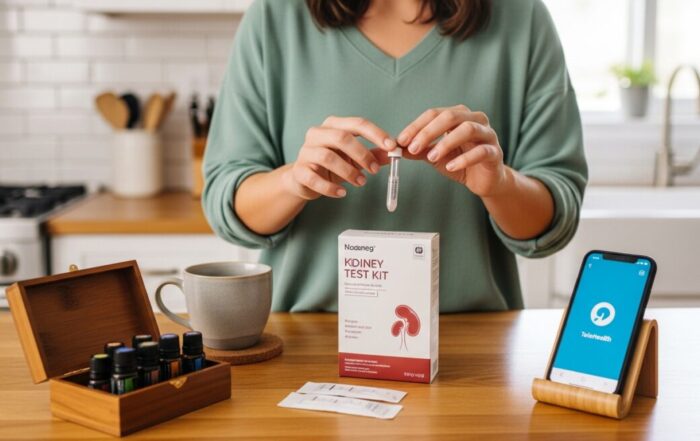
In terms of health focus, the categories are extensive. General wellness and metabolism kits measure markers like cholesterol (HDL, LDL, triglycerides), blood sugar (HbA1c, glucose), and liver enzymes. Hormone test kits can assess thyroid function (TSH, T3, T4), sex hormones (testosterone, estrogen, progesterone), and cortisol for stress. Nutritional deficiency kits check levels of key vitamins like Vitamin D, B12, and iron (ferritin). For more targeted monitoring, there are kits for specific concerns. For instance, our detailed resource on kidney health and at-home testing options explains how certain tests can screen for early signs of kidney function changes. Other specialized kits include those for sexually transmitted infections (STIs), allergy antibody testing (IgE), and genetic predisposition reports.
How to Choose the Right Kit for You
With so many options, selecting the right blood test at home kit requires careful thought. A haphazard choice can lead to confusing results, unnecessary anxiety, or wasted money. Your selection should be guided by your personal health goals, any symptoms you are experiencing, and your doctor’s recommendations. Start by asking yourself why you want to test. Are you looking for a general health baseline? Are you monitoring a known condition, like high cholesterol? Are you investigating specific symptoms, such as persistent fatigue? Your intention will narrow the field significantly.
Next, research the companies thoroughly. Not all testing services are created equal. Prioritize companies that are transparent about their laboratory partners and clearly display their certifications (CLIA, CAP). Read the fine print regarding result turnaround times, customer support availability, and data privacy policies. Understand what the kit price includes: does it cover both the collection materials and the lab analysis, or are there separate fees? Finally, consider the clinical utility. The best tests are those that provide actionable information you can discuss with a healthcare provider. A reputable service will offer a way to review results with a licensed professional, which is a service model we champion at Doctors Home, integrating test results with accessible telemedicine consultations.
To streamline your evaluation, consider these key factors when comparing kits:
- Health Goal Alignment: Does the panel of biomarkers match what you want to measure?
- Laboratory Credentials: Is testing performed in a CLIA-certified/CAP-accredited lab?
- Medical Support: Does the service include a review of results by a doctor or nurse?
- Total Cost: Is the price all-inclusive, or are there hidden lab or interpretation fees?
- Ease of Use: Are the collection instructions clear, and is the process manageable for you?
The Step-by-Step Process: From Ordering to Results
Using an at-home blood test kit is a straightforward process, but attention to detail at each stage ensures accuracy. The journey typically follows a clear sequence. First, you order your kit online. Upon arrival, carefully review all enclosed materials before proceeding. Most kits require you to register the kit online using a unique ID number, which links your sample to your secure account. This step is critical and must be done before sample collection.
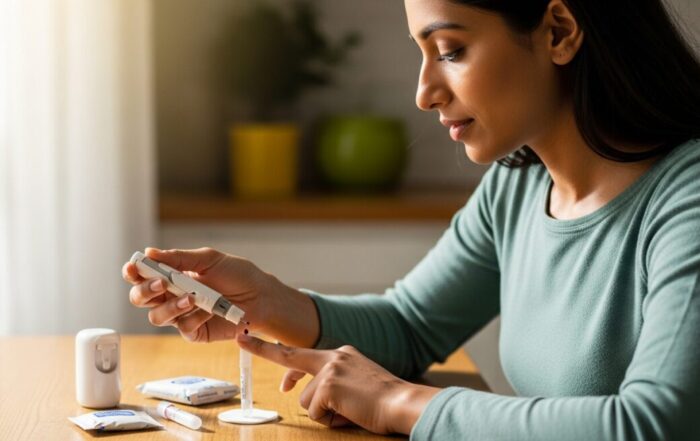
Sample collection is the most hands-on phase. It usually involves washing your hands with warm water to increase blood flow, using the provided lancet to prick your fingertip, and collecting the blood drops on a specific card or in a microtube. Following the timing and volume instructions exactly is non-negotiable. After collection, you package the sample in the pre-paid return mailer and send it back to the lab as soon as possible, often with specific shipping instructions (e.g., avoid mailing on weekends). Then, you wait. Turnaround times vary from a few days to a couple of weeks, depending on the complexity of the tests. Finally, you receive a notification that your results are ready in your secure online portal. The report will display your values alongside standard reference ranges and often include explanatory notes.
Interpreting Your Results and Next Steps
Receiving your results can be empowering, but it can also be confusing or concerning. It is vital to approach them with context. First, remember that a single lab value is a data point in time, not a definitive diagnosis. Many factors can influence a result, including hydration, time of day, recent food intake, and stress levels. Look at the reference range provided, but understand that “normal” is a population-based range; what is optimal for you may be different. Do not panic if a marker is slightly out of range. Instead, view the report as a starting point for a conversation.
The most important step you can take after getting results is to discuss them with a healthcare provider. This is where the integration of at-home testing with telemedicine becomes incredibly powerful. A licensed professional can interpret your results in the context of your full medical history, symptoms, and lifestyle. They can explain the clinical significance, order confirmatory tests if needed, and help you create a actionable plan, whether that involves lifestyle changes, further investigation, or treatment. Platforms like Doctors Home are designed for this very purpose, connecting you with professionals who can review your at-home test results and provide personalized, actionable guidance during a virtual consultation, ensuring the convenience of testing translates into meaningful health outcomes.
Frequently Asked Questions
Are at-home blood test kits accurate?
When from a reputable company using certified labs, the laboratory analysis is highly accurate. The primary variable for accuracy is the user’s sample collection technique. Following instructions precisely is key to ensuring a viable sample reaches the lab.
Will my insurance cover the cost of an at-home kit?
Most often, no. At-home test kits are typically purchased directly by the consumer and are not billed through insurance. However, some services may provide a form you can submit to your insurer for possible reimbursement, but this is not guaranteed. Some Health Savings Accounts (HSAs) or Flexible Spending Accounts (FSAs) may allow you to use funds for eligible kits.
Can I use these test results to get a prescription?
Potentially, yes, but not directly from the lab report. A licensed healthcare provider must evaluate your results alongside other clinical information to make a diagnosis and prescribe medication if appropriate. Many telemedicine platforms, including Doctors Home, facilitate this process by having providers review your uploaded results during a consultation to determine if treatment is indicated.
How often should I test at home?
There is no one-size-fits-all answer. For general wellness, testing annually might be sufficient for establishing a baseline. For monitoring a specific condition or treatment (like hormone therapy or high cholesterol), your doctor may recommend testing every 3 to 6 months. Always follow the guidance of your healthcare provider.
What is the difference between a finger-prick and a venous draw test?
A finger-prick test uses capillary blood from your fingertip, while a venous draw takes blood from a vein. For many common biomarkers, capillary blood provides reliable results. Some tests, however, require the larger volume or specific properties of venous blood, which is why some services offer a phlebotomist-assisted home draw for certain panels.
At-home blood test kits represent a significant shift toward proactive, personalized, and convenient healthcare. They demystify the process of understanding your own body, providing data that empowers you to take an active role in your well-being. The true value of this blood test at home kit guide is realized when the information it provides is seamlessly connected to professional medical insight. By choosing reputable tests and partnering with accessible telehealth providers, you can transform simple data points into a coherent, actionable health strategy, all from the comfort and privacy of your home.
About the Author: Megan Patel



Sign up for our newsletter and Save 20% on Test Kits
"*" indicates required fields