

Your First Teleconsultation Doctor Visit: What to Expect
Your First Teleconsultation Doctor Visit: What to Expect
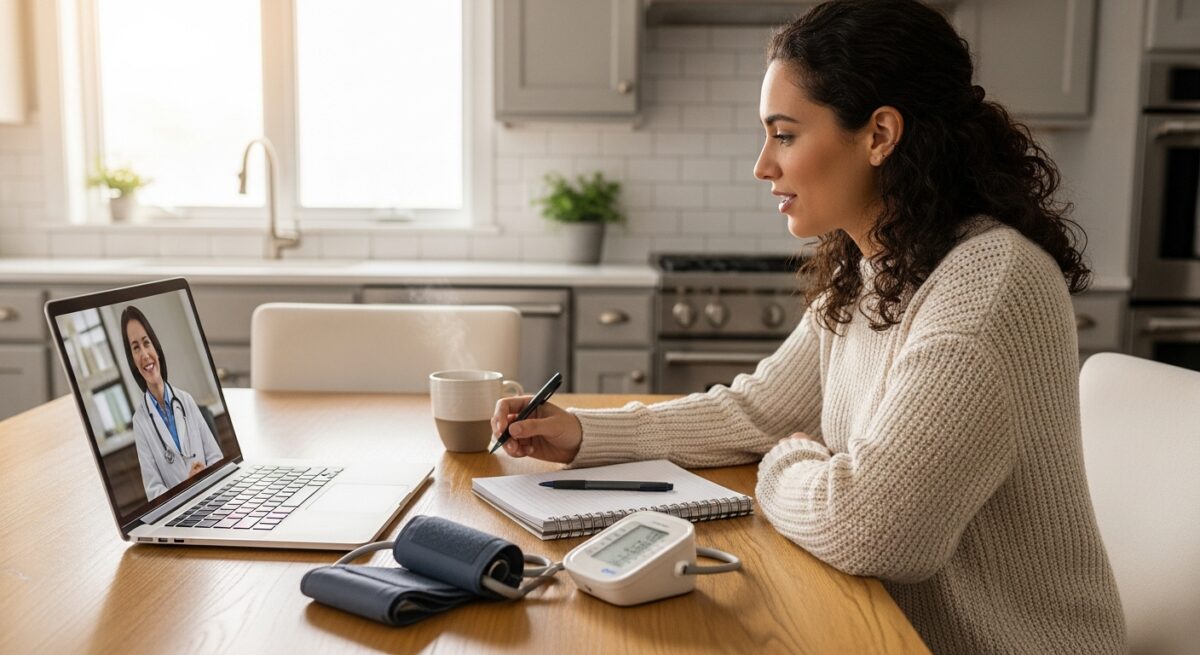
You’ve booked your first virtual doctor’s appointment. The convenience is clear, but a wave of questions might follow: How does it actually work? What should you do to prepare? Is it as effective as an in-person visit? Teleconsultation doctor services have moved from a niche offering to a mainstream healthcare solution, but understanding the process is key to a successful and productive visit. This guide will walk you through every step, from the technology setup to the consultation itself, demystifying what to expect from your e telemedicine experience and ensuring you get the most out of your virtual care.
The Foundation: Understanding Teleconsultation and Its Scope
Teleconsultation, often used interchangeably with telemedicine, refers specifically to the real-time, interactive video or phone consultation between a patient and a licensed healthcare provider. It’s a direct clinical service, distinct from broader telehealth which can include remote monitoring or asynchronous messaging. The core promise is to deliver convenient, accessible medical care for a wide range of non-emergency conditions. However, it’s crucial to recognize its scope. Teleconsultation doctor services excel in areas like follow-up visits, medication management, acute care for minor illnesses (sinus infections, urinary tract infections, rashes), chronic disease check-ins, and mental health therapy. For situations requiring a hands-on physical exam, such as a severe abdominal pain or a possible fracture, an in-person visit remains necessary. Knowing when a virtual visit is appropriate is the first step in setting realistic expectations.
Pre-Visit Preparation: Setting the Stage for Success
The success of your teleconsultation hinges largely on preparation. Unlike walking into a clinic, you are responsible for creating the clinical environment. Start by ensuring you have a reliable internet connection and a device with a working camera and microphone, such as a smartphone, tablet, or computer. Find a quiet, private, and well-lit space where you won’t be interrupted. Good lighting in front of you, not behind you, is essential for the doctor to see you clearly. Just as you would for an in-person appointment, gather all relevant information beforehand. This preparation is not just logistical, it’s clinical.
To have a productive consultation, you should compile the following items:
- Your current medication list, including dosages.
- Your pharmacy’s name and address.
- A list of your symptoms, including when they started and their severity.
- Your medical history and any known allergies.
- Any recent vital signs if you have a home monitor (e.g., blood pressure, temperature, weight).
- Insurance information and a valid photo ID.
- A notepad and pen to jot down the doctor’s instructions.
Many platforms, including services like Doctors Home, will have a digital intake process. Completing these forms thoroughly before your appointment saves time and allows the doctor to review your case in advance. Think of this step as the digital equivalent of filling out clipboard forms in the waiting room, but with the advantage of doing it from your couch. For a deeper look at how these services integrate into ongoing care, our guide on online primary care doctor services explores the longitudinal patient-provider relationship.
The Consultation Process: A Step-by-Step Walkthrough
When your appointment time arrives, log into the platform a few minutes early. You’ll typically enter a virtual waiting room until the doctor joins the call. The initial moments will involve greetings and verification of your identity, a standard and important safety protocol. The doctor will then conduct the consultation, which mirrors many aspects of an in-person visit but adapts for the virtual medium. You’ll be asked to describe your symptoms in detail. The doctor will likely ask you to perform simple self-examinations, such as pointing the camera at a rash, checking the range of motion in a joint, or using a flashlight to show your throat. They may ask you to palpate an area yourself and describe the sensation. This guided physical exam is a key skill in e telemedicine.
The flow of the conversation is collaborative. Be prepared to answer questions clearly and don’t hesitate to ask your own. The doctor is relying on your detailed description and visual cues to make an assessment. After discussing your condition, the doctor will provide a diagnosis or differential diagnosis, explain their reasoning, and outline a treatment plan. This plan may include prescribing medication, ordering lab tests or imaging (which you would complete at a local facility), recommending over-the-counter remedies, or advising lifestyle changes. If a prescription is appropriate, it will be sent electronically to your chosen pharmacy. The entire consultation typically lasts between 10 to 20 minutes for straightforward issues, but complex concerns will take longer.
Post-Consultation: Follow-Up and Next Steps
The end of the video call is not the end of the healthcare process. You should receive a digital visit summary, which may include the diagnosis, treatment plan, prescribed medications, and any recommended follow-up actions. It is critical to read this document carefully. Your responsibilities include picking up any prescriptions, scheduling any referred tests or specialist appointments, and implementing the doctor’s advice. Adherence to the treatment plan is just as important in a virtual setting as it is in a traditional one. Most teleconsultation platforms also provide a secure messaging system for follow-up questions. Clarify with your doctor when a follow-up appointment is needed, either virtually or in-person. Understanding these next steps completes the cycle of care and ensures continuity, which is vital for managing ongoing health issues effectively.
Maximizing the Benefits and Navigating Limitations
To truly benefit from teleconsultation doctor services, it’s important to actively engage with both its strengths and its boundaries. The advantages are significant: unparalleled convenience, reduced exposure to other illnesses in waiting rooms, time and cost savings from avoiding travel, and often easier access to care, especially for those in rural areas or with mobility challenges. To maximize these benefits, be an empowered patient. Speak clearly, describe symptoms objectively, and ensure your technology works. However, honest navigation also requires acknowledging the limitations. The lack of a hands-on physical exam means some conditions are not suitable for a first-time virtual diagnosis. Technical glitches can happen. There can also be limitations based on state licensing laws, as doctors must be licensed in the state where you are physically located during the call. Being aware of these factors helps you use the service appropriately and know when to seek in-person care.
Frequently Asked Questions About Teleconsultation
Is a teleconsultation as good as an in-person doctor visit?
For many conditions, yes. Studies show that for follow-ups, medication management, and many acute minor illnesses, outcomes are comparable. It is a different, but highly effective, modality of care when used for appropriate conditions.
Will my insurance cover a telemedicine visit?
Coverage has expanded dramatically. Most private insurers, Medicare, and Medicaid now cover teleconsultation services. However, you should always check with your specific insurance plan to understand your copay or coinsurance responsibilities.
Can I get a prescription through a teleconsultation?
Yes, licensed providers can prescribe a wide range of medications during a virtual visit. There are federal and state regulations that prohibit the prescribing of controlled substances (like certain pain medications or ADHD drugs) without an in-person evaluation, but most common medications for infections, allergies, chronic conditions, and mental health are permissible.
What if I have a technical problem during the call?
Reputable platforms have support teams. Have a phone number handy as a backup. Often, the doctor or clinic will call you directly if the video fails, converting the visit to a phone consultation to continue your care.
Are my medical records and video calls private and secure?
Legitimate teleconsultation services use HIPAA-compliant, encrypted software designed specifically for healthcare to protect your privacy and data security. The video call is not recorded for patient care purposes, and your medical information is kept confidential, just as in a physical clinic.
Embracing teleconsultation doctor services means adapting to a new, patient-centered model of healthcare delivery. By knowing what to expect, from meticulous preparation to active participation during the virtual visit, you can transform the screen into a powerful portal for receiving timely, effective medical care. This understanding turns the novelty of e telemedicine into a routine, reliable part of managing your health and well-being.
About the Author: Sarah Thompson




Sign up for our newsletter and Save 20% on Test Kits
"*" indicates required fields