
Your Complete Guide to At Home Health Test Kits for Patients
Your Complete Guide to At Home Health Test Kits for Patients
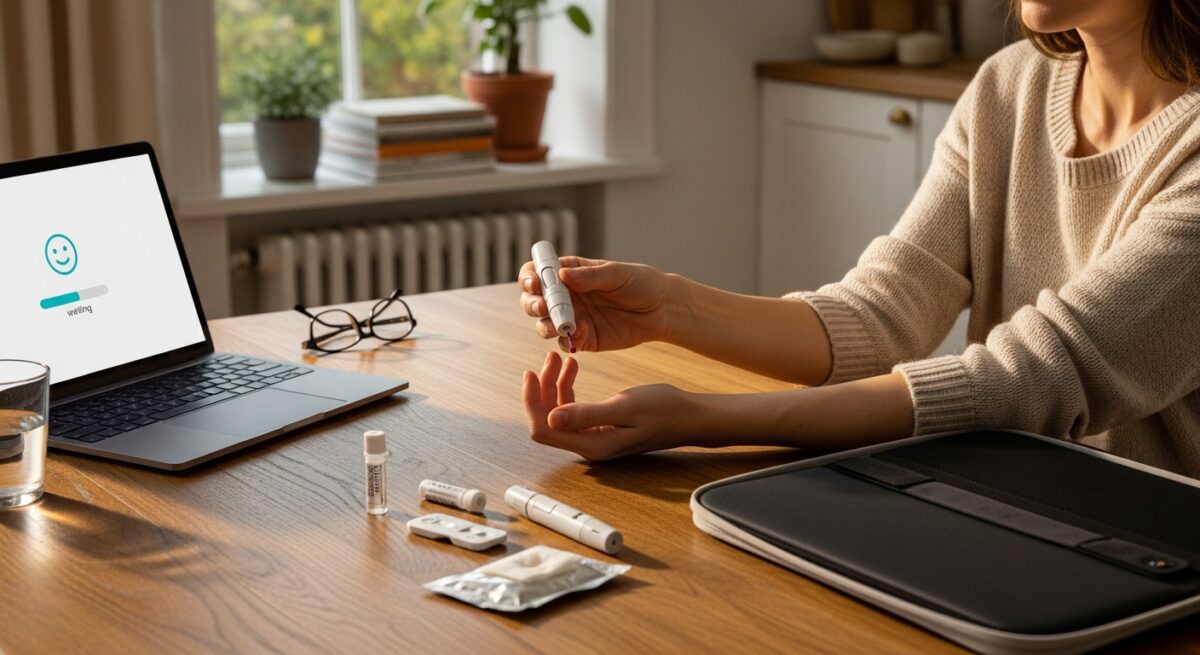
Imagine knowing your cholesterol levels, confirming a suspected infection, or checking for vitamin deficiencies without leaving your living room. At home health test kits have transformed from a niche convenience into a cornerstone of modern proactive healthcare, empowering patients with immediate access to critical health data. This comprehensive guide demystifies the world of self-administered testing, helping you navigate the options, understand the results, and integrate this powerful tool safely and effectively into your health management strategy. From at home rapid antigen tests for respiratory illnesses to more complex metabolic panels, these kits offer unprecedented access, but they also require informed use to maximize their benefit and minimize potential pitfalls.
Understanding the Different Types of At Home Test Kits
The landscape of at home health test kits is vast and varied, catering to different needs, technologies, and levels of complexity. Broadly, they can be categorized by the type of sample they require and the conditions they screen for. The most common samples include saliva, finger-prick blood, urine, and nasal or throat swabs. Each kit is designed for a specific purpose, and understanding these categories is the first step in selecting the right one for you.
Some of the most prevalent types include infectious disease tests, such as the ubiquitous at home rapid antigen test for COVID-19 or the at home influenza test kit. These typically use nasal swabs and provide results in minutes. Then there are wellness and screening panels, which often use blood from a finger prick to measure biomarkers like cholesterol, blood sugar (HbA1c), liver enzymes, and vitamin levels (e.g., Vitamin D, B12). These are mailed to a certified lab for analysis, with results delivered online in a few days. Other categories include sexual health tests (for HIV, chlamydia, etc.), fertility and hormone tests, and even genetic predisposition screenings. It is crucial to note that while some tests, like certain at home PCR tests for COVID-19, offer high accuracy comparable to clinic-based tests, others are for informational screening only and require confirmation from a healthcare provider for a formal diagnosis.
How to Choose the Right Kit for Your Needs
With dozens of options available, selecting an appropriate at home health test kit requires careful consideration. Your choice should be guided by your specific health questions, the kit’s reliability, and how you plan to use the information. A key factor is whether the test is FDA-authorized or cleared, or CLIA-certified for lab-based kits. This regulatory oversight is a strong indicator of analytical validity, meaning the test accurately measures the biomarker it claims to measure. However, it does not always speak to clinical validity, or how well the result correlates with a health condition, which is where professional guidance becomes essential.
Before purchasing, ask yourself these critical questions: What is my goal? Am I looking for rapid answers to acute symptoms (like using an at home influenza test kit when feeling ill), or am I seeking long-term trend data (like monitoring cholesterol)? Is the test for screening or for diagnosis? For screening, a highly sensitive test is preferable. Consider the sample collection process: are you comfortable with a finger prick, or would a saliva test be easier? Finally, research the company. Reputable providers are transparent about the limitations of their tests, have clear instructions, and offer access to healthcare professionals to discuss results. Our detailed resource on at home health tests for modern patients dives deeper into evaluating test quality and company credibility.
The Step-by-Step Process: From Ordering to Understanding Results
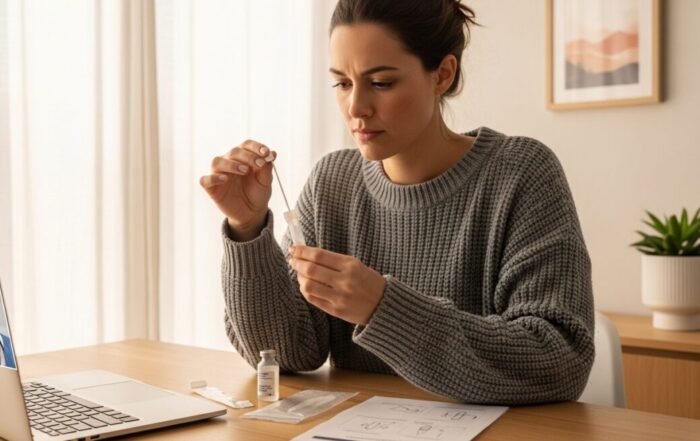
Using an at home test kit correctly is a multi-step process that directly impacts the accuracy of your results. A misstep in collection, storage, or mailing can render the test useless or, worse, misleading. The first step is ordering from a legitimate source, which often includes account creation on a secure portal. Once the kit arrives, read all instructions thoroughly before beginning. Most kits will include detailed pictorial guides, collection materials, a biohazard bag for safe return, and a pre-paid return shipping label for lab-based tests.
Follow this general sequence for success:
- Prepare: Wash your hands, clear a clean, well-lit workspace, and ensure all components are present and within their expiration date.
- Collect: Follow the sample collection instructions meticulously. For a finger prick, warm your hand, use the provided lancet, and fill the collection tube to the indicated line. For a swab, be sure to use the correct technique (e.g., nasal vs. throat).
- Package: Place the sample in the stabilizer or container as directed, seal it in the provided bag, and package it in the return box.
- Return & Wait: For lab tests, mail the kit promptly (often the same day). For rapid tests, proceed to the development step as per the timeline in the instructions.
- Receive Results: Access results via a secure online portal (for lab tests) or read the visual indicator on the test device (for rapid tests).
Interpreting results is the most critical phase. A “positive” or “abnormal” result on an at home rapid antigen test is usually clear, but it may require confirmatory testing. For lab-based wellness panels, you will typically receive a numerical result alongside a reference range. It is vital to understand that being outside the reference range does not automatically mean you have a disease; it is a signal to consult a healthcare professional. They can contextualize the result with your medical history, symptoms, and other factors.
Benefits, Limitations, and Integrating Results with Professional Care
The advantages of at home health test kits are significant. They offer unparalleled convenience and privacy, reduce exposure to germs in waiting rooms, and can lower healthcare costs for screening. They empower patients to take an active role in their health, potentially leading to earlier detection of issues. For managing chronic conditions, they can provide frequent data points between doctor visits. The psychological benefit of quickly ruling out conditions, like using an at home influenza test kit to distinguish between flu and a common cold, also reduces anxiety and guides appropriate self-care.
However, these benefits come with important limitations that patients must acknowledge. The primary risk is misinterpretation of results. Without clinical context, a user might panic over a slightly abnormal lab value or, conversely, feel a false sense of security from a negative rapid test while still being symptomatic. Sample collection error is a major source of false results. Furthermore, not all at home tests are created equal; some direct-to-consumer genetic or “food sensitivity” kits have questionable scientific backing. Crucially, these kits are not a replacement for a doctor’s diagnosis or the therapeutic relationship. They are a data-gathering tool.
Therefore, integration with professional care is non-negotiable. The most effective use of any at home health test kit is as a starting point for a conversation with your healthcare provider. Bring your results to your next telehealth or in-person appointment. A platform like Doctors Home is ideally suited for this integration, as it allows you to seamlessly share digital results with a licensed professional who can interpret them, recommend next steps, and, if appropriate, prescribe treatment or order follow-up testing. This hybrid model of patient-initiated testing and professional guidance represents the future of efficient, patient-centered care.
Frequently Asked Questions About At Home Test Kits
Are at home PCR tests as accurate as clinic ones?
When performed correctly, FDA-authorized at home PCR tests that you mail to a lab have accuracy comparable to clinic-collected tests, as they use the same laboratory technology. The variable is the quality of the sample you collect.
Can I use an at home test kit to get a prescription?
In many cases, yes. For certain conditions, a positive result from an authorized at home test (like a COVID-19 test or a specific STI test) can be used during a telemedicine consultation to qualify for a prescription, if clinically appropriate. Services like Doctors Home are structured to facilitate this pathway.
How do I know if a test is FDA-approved?
Check the test kit packaging or the company’s website for clear statements like “FDA Authorized” or “EUA” (Emergency Use Authorization). You can also search the FDA’s database online. For laboratory tests, CLIA certification is the key indicator of quality.
What should I do if my rapid test is negative but I still have symptoms?
A negative at home rapid antigen test does not definitively rule out infection, especially early on. If symptoms persist or worsen, isolate if possible and consult a healthcare provider. They may recommend a more sensitive PCR test or evaluation for another illness.
Are my health data and results from these kits private?
Reputable companies operate under strict privacy laws like HIPAA. Before purchasing, review the company’s privacy policy to understand how your health data and results are stored, used, and protected.
At home health test kits are powerful tools that put health insights directly into your hands. This complete guide for patients underscores that their greatest value is realized not in isolation, but as part of a collaborative healthcare journey. By choosing tests wisely, following procedures carefully, and, most importantly, partnering the results with professional medical interpretation, you can leverage this technology to make more informed decisions, advocate for your health, and build a stronger, more data-informed relationship with your care providers. The future of healthcare is increasingly hybrid, and understanding how to navigate at home testing is a fundamental skill for the modern patient.
About the Author: James Patel

Sign up for our newsletter and Save 20% on Test Kits
"*" indicates required fields