

When to Get a Second Opinion From an Online Doctor
When to Get a Second Opinion From an Online Doctor

You’ve just left your doctor’s office with a diagnosis or a treatment plan, but something doesn’t feel quite right. Maybe the explanation was rushed, the proposed solution seems extreme, or you simply want more clarity before moving forward. This uncertainty is a common and valid experience, and in today’s digital age, you have a powerful new tool to address it: the ability to get a second opinion from an online doctor. This process, once cumbersome and time-consuming, is now accessible, discreet, and can be a critical step in taking charge of your health. A virtual second opinion is not about distrusting your primary physician, but about empowering yourself with additional expertise and perspective to make the most informed healthcare decisions possible.
Understanding the Value of a Medical Second Opinion
Seeking a second opinion is a standard and respected practice in medicine. Studies have shown that second opinions can change or refine a diagnosis or treatment plan in a significant percentage of cases. This isn’t necessarily an indictment of the first doctor’s skills, medicine is a complex field where symptoms can overlap and new research emerges constantly. An online doctor for second opinion provides a fresh set of eyes on your medical history, symptoms, and test results. They operate without the constraints of a prior relationship or institutional bias, allowing them to offer an independent assessment. This can confirm your initial diagnosis, giving you immense peace of mind and confidence to proceed. Alternatively, it might reveal alternative, less invasive treatment options, question the necessity of a proposed surgery, or even identify a completely different condition that better explains your symptoms. The core value lies in validation or course-correction, both of which are invaluable for your health journey.
The psychological benefit is equally important. Facing a serious diagnosis or a major treatment like surgery is stressful. Doubt and anxiety can cloud judgment and impede recovery. By proactively seeking a second opinion, you transform from a passive recipient of care into an active participant in your health management. This sense of agency can reduce stress and help you approach your treatment with greater conviction and clarity. It ensures you are not merely following a path, but consciously choosing the one that feels right for you, backed by multiple professional viewpoints.
Ideal Scenarios for Seeking an Online Second Opinion
While you can seek a second opinion for any medical concern, certain situations particularly warrant this extra step. If your diagnosis is for a serious, life-altering, or rare condition, such as cancer, a complex neurological disorder, or a major organ disease, a second opinion is highly recommended. Similarly, if your doctor recommends a major surgical procedure, an invasive treatment with significant side effects, or a long-term medication regimen, it is prudent to explore other perspectives. You should also consider a second opinion if your symptoms persist despite following the initial treatment plan, if you feel your concerns were not fully heard or investigated, or if the recommended treatment feels disproportionate to your perceived condition. Finally, if you have limited access to specialists in your geographic area, an online platform can connect you with top-tier experts across the country, breaking down traditional barriers to specialized care.
It’s important to note that getting a second opinion is also beneficial for confirming a diagnosis you believe is correct. This reinforcement can be incredibly powerful, allowing you to move forward with treatment without lingering doubts. For instance, if you are diagnosed with a common but impactful condition like a severe ear infection, a virtual consultation can quickly confirm the diagnosis and discuss treatment nuances. Our guide on getting ear infection treatment from an online doctor explores how digital care can efficiently manage such acute issues, a process similar to seeking a confirmatory second opinion.
The Practical Advantages of Using a Telemedicine Platform
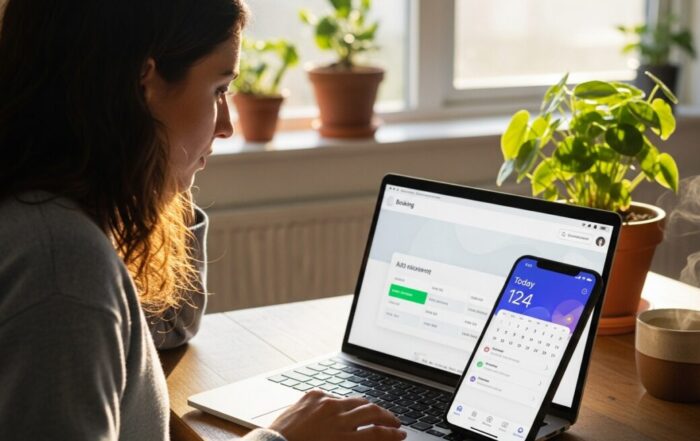
Choosing to get a second opinion from an online doctor via a telemedicine platform offers distinct practical benefits over traditional in-person consultations. The most obvious is convenience and accessibility. You can schedule and attend the consultation from your home or office, eliminating travel time, parking costs, and time off work. This is especially crucial for individuals with mobility issues, those in rural areas, or people with demanding schedules. The process is often faster, you can frequently secure an appointment with a specialist in days rather than the weeks or months it might take for an in-person referral.
Cost can be another significant factor. While insurance coverage for telehealth second opinions varies, the overall cost is often lower than an in-person specialist visit when you consider ancillary expenses. Many platforms offer transparent, upfront pricing for the consultation itself. Furthermore, the discreet nature of a virtual visit can reduce the perceived social stigma some feel about “shopping around” for doctors, allowing you to focus purely on your health needs without external pressure. Platforms like Doctors Home structure these consultations to be efficient, focused on record review and discussion, maximizing the value of your time with the physician.
How to Prepare for Your Online Second Opinion Consultation
To ensure your online second opinion is as valuable as possible, thorough preparation is key. The consulting doctor will need a complete picture of your health situation to provide a meaningful assessment. Start by formally requesting your medical records from your primary care physician and any specialists you’ve seen. Be specific, you need the relevant clinic notes, the official diagnostic reports (like pathology or radiology reports, not just the images themselves), a list of all medications and supplements, and a summary of your surgical history. Most providers have a medical records department to handle these requests, though there may be a fee and a processing time.
Next, organize your thoughts and questions. Write down a clear timeline of your symptoms, what prompted your first visit, the diagnosis you received, and the treatment plan proposed. Then, formulate the specific questions you want the second opinion to address. Are you questioning the diagnosis itself? Do you want to know about all possible treatment options, including newer or less invasive ones? Are you concerned about risks or side effects? Having this list ensures you cover all your concerns during the limited consultation time. Finally, test your technology beforehand. Ensure your computer, tablet, or phone has a working camera, microphone, and a stable internet connection. Choose a quiet, private, and well-lit location for your appointment where you won’t be interrupted.
What to Expect During and After the Virtual Visit
During the consultation, the online doctor will review the records you provided and likely ask you to elaborate on your symptoms and medical history. Be open and honest, and present your list of questions. A good consultant will listen carefully, explain their thought process clearly, and provide an opinion based on the evidence. They may confirm the original plan, suggest a modification, or recommend a different path entirely. They should also outline the rationale behind their opinion, referencing medical guidelines or research where appropriate. It’s important to understand that the consulting physician cannot order new tests or procedures for you directly, but they can strongly recommend specific tests to discuss with your primary doctor.
After the visit, you will receive a summary or a formal written report. This document is crucial. It serves as a tangible record of the expert opinion you sought. With this report in hand, you have a foundation for a more informed discussion with your original doctor. The next step is to schedule a follow-up with your primary care physician or specialist to discuss the second opinion. Approach this conversation collaboratively, not confrontationally. You could say, “I sought an additional perspective to feel fully confident in our next steps. Here is the report I received. Can we review it together and discuss how it aligns with your recommendations?” This keeps the relationship positive and focused on your shared goal: your optimal health outcome.
Navigating Insurance and Costs for Online Second Opinions
The financial aspect of seeking a second opinion is a common concern. Coverage for telehealth services, including second opinions, has expanded significantly but remains variable. You should first contact your health insurance provider to ask specifically about coverage for “telehealth second opinions” or “remote specialist consultations.” Inquire about copays, coinsurance, and whether the service must be through a in-network telehealth platform. Some major insurers have partnered with specific second-opinion services, which may be fully or partially covered. For those without coverage or with high deductibles, many online platforms operate on a direct-pay model. This provides cost certainty, with a fixed fee for the consultation, often ranging from a hundred to several hundred dollars depending on the specialty and complexity. When weighing this cost, consider it an investment in your health that could prevent unnecessary procedures, guide you to more effective treatments, and provide irreplaceable peace of mind.
Frequently Asked Questions
Will my original doctor be offended if I get a second opinion?
Most competent and confident physicians welcome second opinions. It is a standard medical practice. A good doctor will understand your need for certainty and should be willing to review the findings with you. If a doctor reacts negatively, it may be a sign to reconsider that patient-doctor relationship.
Is an online second opinion as valid as an in-person one?
For the purpose of reviewing records, diagnoses, and treatment plans, a virtual second opinion is highly valid. The consultant is reviewing the same objective data (imaging, lab reports, pathology slides) that an in-person doctor would. The key is providing them with complete and accurate records. A physical exam may be necessary for some conditions, which the consultant will note as a limitation.
What if the two opinions completely disagree?
This can be challenging but is not uncommon. It highlights the complexity of medicine. Your role is not to decide who is “right,” but to use the disagreement as a catalyst for further investigation. You can ask both doctors to explain the reasoning behind their conclusions, ask what additional tests could clarify the situation, or seek a third opinion from a specialist in a major academic medical center.
Can I get a prescription from an online doctor for second opinion?
Typically, a pure second-opinion service provides consultation and a report but does not take over your ongoing care or prescribe medications. Their role is to advise. However, some comprehensive telemedicine platforms may offer follow-on care if you choose to transfer your management based on their opinion. It’s important to clarify the service model before booking.
How do I choose a reputable online second opinion service?
Look for platforms that clearly state their physicians are U.S.-board-certified and licensed in your state. Check for transparency in pricing, clear descriptions of what the service includes (e.g., a written report), and robust privacy and security measures for your medical data. Reading independent reviews can also be helpful.
Ultimately, the decision to get a second opinion from an online doctor is a proactive step in your healthcare. It leverages modern technology to fulfill a timeless need for confidence and clarity in medical decision-making. By providing accessible expertise, it empowers you to become the most informed advocate for your own health, ensuring that the path you choose is built upon a foundation of thorough understanding and consensus.
About the Author: James Patel




Sign up for our newsletter and Save 20% on Test Kits
"*" indicates required fields