

When to Choose Telemedicine: A Practical Guide for Patients
When to Choose Telemedicine: A Practical Guide for Patients

Telemedicine has moved from a niche convenience to a mainstream healthcare option, offering a powerful alternative to traditional in-person visits. Yet, its true value lies not in replacing all doctor visits, but in knowing precisely when it is the most effective, efficient, and appropriate choice. Understanding when to choose telemedicine can streamline your care, save you significant time and money, and provide timely access to medical expertise. This guide cuts through the hype to provide a clear, practical framework for deciding when a virtual visit is your best first step and when it’s wise to head to a clinic or emergency room instead.
Defining the Ideal Use Cases for Virtual Care
Telemedicine excels in situations where a physical examination is limited or unnecessary for initial assessment and management. The cornerstone of a successful virtual visit is effective communication: your ability to describe symptoms and the provider’s ability to interpret them. Conditions that are straightforward, follow-up oriented, or based on review of existing information are perfectly suited for this model. It is particularly transformative for managing ongoing health issues, offering a seamless connection to your care team without the logistical hurdles of travel and waiting rooms. The following scenarios represent the strongest candidates for choosing a telemedicine appointment.
Follow-Up and Chronic Condition Management
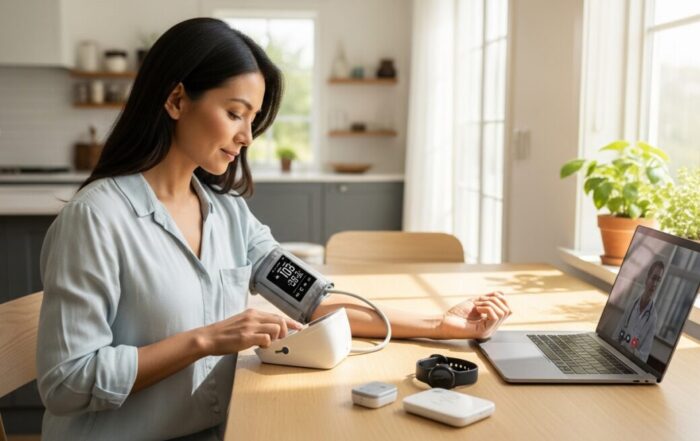
For individuals managing ongoing health issues like hypertension, diabetes, asthma, or mental health conditions, telemedicine is a game-changer. Routine follow-ups often involve reviewing lab results, discussing medication efficacy and side effects, and adjusting treatment plans. These conversations require dialogue, not a hands-on exam. A virtual visit facilitates consistent, convenient check-ins that improve medication adherence and allow for timely interventions. For example, a patient with stable hypertension can report home blood pressure readings, discuss lifestyle changes, and receive a prescription renewal in a 15-minute video call, avoiding a half-day ordeal for a similar outcome.
Minor, Common Ailments and Infections
Many acute illnesses can be confidently diagnosed based on symptom description and visual inspection. Telemedicine is an excellent first-line resource for concerns like colds, sinus infections, urinary tract infections, pink eye (conjunctivitis), and skin rashes. During a video visit, a provider can observe your throat, listen to your cough, examine your eyes or skin, and ask targeted questions. For uncomplicated cases, they can prescribe medication electronically to your pharmacy. This approach contains contagious illnesses and provides relief quickly. It is crucial, however, to be prepared to describe your symptoms in detail, including their onset, duration, and severity.
Medication Management and Refills
Non-narcotic prescription renewals for ongoing conditions are a core strength of telemedicine. If you need a refill for a medication you have been taking long-term, a virtual check-in allows your provider to confirm you are tolerating it well and that no changes are needed. This applies to medications for allergies, cholesterol, thyroid disorders, and many others. Some platforms also specialize in digital pharmacy services, bundling consultation and home delivery. Remember, providers will typically require a virtual visit for refills to maintain responsible oversight, but this is far more efficient than an in-person appointment solely for that purpose.
When an In-Person Visit is Necessary
Recognizing the limits of telemedicine is just as important as embracing its benefits. Certain symptoms and situations unequivocally require a physical, hands-on evaluation, diagnostic testing, or emergency intervention. Choosing telemedicine in these cases can delay critical care. A good rule of thumb is that any symptom suggesting a serious, systemic, or rapidly worsening condition warrants an in-person assessment. If you are ever in doubt, err on the side of caution and seek in-person care, or use a telemedicine service to help you triage and determine the appropriate next step. The following are clear indicators that you should skip the virtual visit.
First, any emergency warning signs demand immediate in-person emergency care. These include chest pain or pressure, difficulty breathing, severe abdominal pain, sudden weakness or numbness (especially on one side of the body), traumatic injury (like a deep cut or possible fracture), and significant burns. Second, conditions requiring hands-on diagnostic procedures cannot be addressed virtually. This includes anything needing a stethoscope for lung or heart sounds beyond a basic check, an otoscope to look deep in the ear, a physical manipulation of a joint or limb, or tests like an EKG, X-ray, or blood draw. Third, initial diagnoses of complex or multisystem issues often require a comprehensive physical exam and likely subsequent testing that a virtual visit cannot initiate.
The Practical Advantages: Beyond Convenience
The decision of when to choose telemedicine is often influenced by its tangible practical benefits, which extend far beyond simple convenience. These advantages solve real-world problems for patients, making healthcare more accessible and less disruptive.
- Enhanced Access: Telemedicine bridges critical gaps for those in rural areas, individuals with mobility or transportation challenges, and people with demanding schedules who cannot easily take hours off work. It provides specialist access without long-distance travel.
- Time and Cost Efficiency: It eliminates travel time, waiting room delays, and often reduces time off work. Many telemedicine visits have lower copays than in-person office visits, and you save on transportation and parking costs.
- Reduced Exposure: Virtual visits minimize contact with other potentially ill patients in waiting rooms, a significant advantage for those who are immunocompromised, managing chronic illness, or caring for newborns.
- Streamlined Workflow: For simple issues, the entire process, from scheduling to consultation to receiving a prescription at your pharmacy, can be completed in less time than a traditional appointment’s commute alone.
These benefits collectively lower the barrier to seeking care, encouraging people to consult a provider earlier for minor issues before they escalate, which is a cornerstone of proactive health management.
Preparing for a Successful Telemedicine Visit
To maximize the effectiveness of your virtual appointment, preparation is key. Treat it with the same seriousness as an in-person visit. Start by testing your technology (camera, microphone, internet connection) in advance. Find a quiet, private, and well-lit space where you can speak freely. Have relevant information ready: a list of your current medications and dosages, your pharmacy’s name and address, a brief summary of your medical history, and any notes on your symptoms (when they started, what makes them better or worse). If your concern is visual, like a rash or a wound, ensure your camera can focus clearly on the area. Being prepared helps the provider make the most accurate assessment possible within the virtual format.
Integrating Telemedicine into a Hybrid Care Model
The most forward-thinking approach to personal healthcare is not choosing between telemedicine and in-person care, but strategically integrating both into a hybrid model. Use telemedicine for the routine, the follow-up, the minor, and the consultative. Reserve in-person visits for initial complex diagnoses, required physical procedures, and emergencies. Many health systems now offer integrated platforms where your primary care provider can conduct a virtual follow-up, then seamlessly order lab work at a nearby facility, with results discussed in a subsequent virtual call. This blended approach optimizes your time and the healthcare system’s resources, ensuring you get the right type of care at the right time.
Frequently Asked Questions
Is telemedicine covered by insurance?
Most major insurers now cover telemedicine visits similarly to in-person visits, but policies vary. Always check with your insurance provider to understand your specific coverage, including any copay differences.
Can I get a prescription through telemedicine?
Yes, providers can prescribe a wide range of medications electronically during a telemedicine visit. However, they are subject to the same laws and regulations as in-person visits. Controlled substances (like certain pain medications or ADHD drugs) often have strict limitations and may require an in-person evaluation.
What if I need lab tests or imaging after a telemedicine visit?
The provider can order necessary tests for you. They will electronically send orders to a lab or imaging center near you, and you will go in person for the test. The results will be sent to the provider, who will then follow up with you, often via another telemedicine visit.
Is telemedicine suitable for mental health care?
Absolutely. Teletherapy and psychiatric consultations are among the most effective and widely adopted uses of telemedicine. They provide essential access and continuity of care, especially for those in areas with a shortage of mental health professionals.
How do I know if my symptom is “minor enough” for telemedicine?
When in doubt, you can often use a telemedicine service for triage. Describe your symptoms to the provider; they are trained to determine if a virtual evaluation is sufficient or if they need to direct you to an urgent care clinic or emergency department.
The decision of when to choose telemedicine empowers you to navigate the healthcare system more effectively. By matching the modality to the medical need, you gain faster access, reduce unnecessary burdens, and maintain a more consistent connection with your healthcare. It is a tool that, used wisely, puts greater control and convenience directly into your hands, making proactive health management a more integrated and less stressful part of modern life.
About the Author: James Patel




Sign up for our newsletter and Save 20% on Test Kits
"*" indicates required fields