
What Is Telemedicine? A Guide to Virtual Healthcare
What Is Telemedicine? A Guide to Virtual Healthcare

Imagine consulting with a doctor from your living room, managing a chronic condition via a smartphone app, or getting a prescription refilled during your lunch break without leaving work. This is not the future of healthcare, it is the present reality made possible by telemedicine. As digital technology reshapes every aspect of our lives, it has also fundamentally transformed how we access medical care. Telemedicine, the remote delivery of healthcare services using telecommunications technology, has moved from a niche convenience to a mainstream component of modern medicine. It bridges geographical gaps, reduces time barriers, and offers a level of patient-centered flexibility that traditional in-person visits often cannot match. This comprehensive guide will explain what telemedicine is, how it works, its various forms, and its profound impact on patients, providers, and the healthcare system as a whole.
Defining Telemedicine and Its Core Components
At its essence, telemedicine is the use of electronic information and telecommunication technologies to support long-distance clinical healthcare. It involves the exchange of medical information from one site to another via digital communications to improve a patient’s health. This broad definition encompasses a wide range of services and technologies. The core components that enable telemedicine include secure video conferencing platforms, encrypted messaging systems, specialized digital diagnostic tools (like digital stethoscopes or otoscopes that can be used at home), and integrated electronic health records (EHRs) that allow providers to access patient data remotely. The goal is to replicate the diagnostic and consultative elements of a traditional office visit as closely as possible, while adding unique advantages inherent to digital interaction.
It is crucial to distinguish between the terms “telemedicine” and “telehealth,” though they are often used interchangeably. Telehealth is a broader umbrella term that includes telemedicine but also extends to non-clinical services. Telehealth can encompass provider training, administrative meetings, and continuing medical education, while telemedicine refers specifically to remote clinical services. For the patient, telemedicine typically involves a direct, real-time interaction with a healthcare provider for the purpose of diagnosis, consultation, treatment, or management of a health condition. This clinical focus is what separates it from the wider world of digital health apps and wellness trackers, though these tools can often integrate with telemedicine platforms to provide richer data for the provider.
How Telemedicine Works: The Patient Journey
The process of a telemedicine visit is designed to be intuitive and secure, mirroring the steps of an in-person appointment but within a digital framework. It begins with scheduling, which is often done through a provider’s website or a dedicated patient portal. Patients may need to complete digital intake forms and provide insurance information ahead of time. When the appointment time arrives, the patient accesses a secure, HIPAA-compliant video link sent via email or text, or logs into a patient portal to start the visit. The consultation itself involves a video call where the patient and provider discuss symptoms, medical history, and concerns. The provider can visually assess the patient, ask them to demonstrate range of motion, or even examine visible symptoms like rashes or throat redness using their device’s camera.
Following the consultation, the provider can discuss a diagnosis, develop a treatment plan, send electronic prescriptions directly to a pharmacy, order necessary lab work, or recommend a follow-up in-person visit if needed. Notes from the visit are documented in the patient’s EHR. For situations requiring immediate attention outside of normal office hours, platforms like Doctors Home offer the ability to connect with a 24 hour telemedicine doctor online today, providing crucial access when traditional clinics are closed. The entire process is designed for efficiency, but without sacrificing the quality of the clinician-patient interaction that is central to effective care.
The Different Modalities of Telemedicine Delivery
Telemedicine is not a one-size-fits-all model. It adapts to different clinical needs and technological capabilities through several distinct modalities. Understanding these variations helps clarify the scope and appropriate application of virtual care.
Synchronous Telemedicine (Live Video)
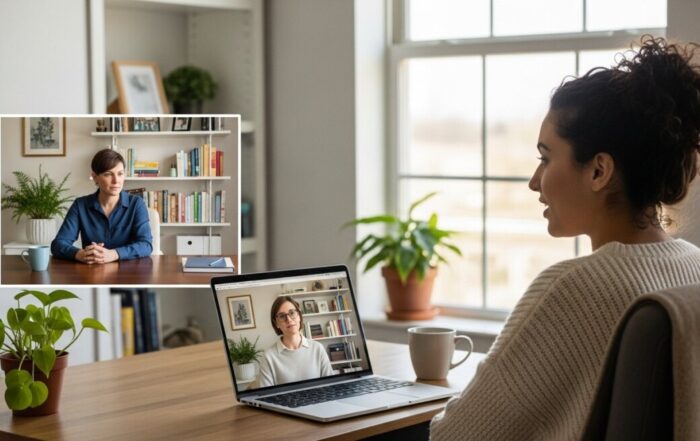
This is the most recognizable form, involving real-time, two-way audio and video interaction between a patient and a provider. It is used for urgent care visits, follow-up appointments, psychotherapy sessions, and specialist consultations. It requires a reliable internet connection and a device with a camera and microphone, but it most closely replicates the traditional face-to-face visit.
Asynchronous Telemedicine (Store-and-Forward)
In this model, medical data (such as images, video clips, lab results, or patient histories) is collected and securely transmitted to a provider for review at a later time. This is exceptionally common in fields like dermatology, radiology, and pathology. A patient can upload photos of a skin condition, for example, and a dermatologist can review them and provide a diagnosis and treatment plan within a set timeframe, without needing to schedule a simultaneous meeting.
Remote Patient Monitoring (RPM)
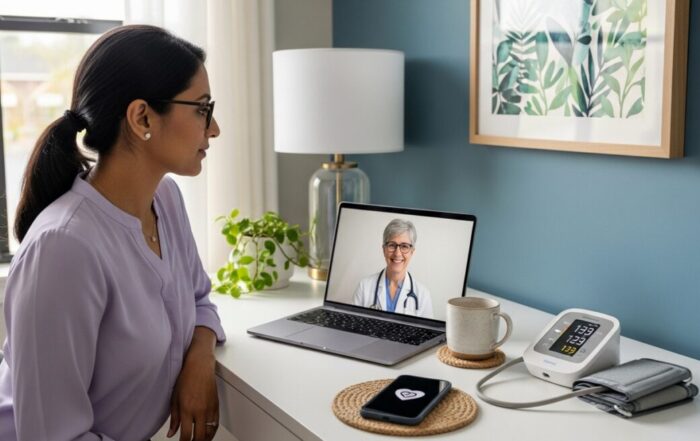
RPM involves the use of connected digital devices to collect medical and health data from an individual in one location and electronically transmit it to a provider in a different location for assessment and management. This is particularly valuable for chronic disease management. Patients with diabetes, hypertension, or heart conditions can use devices like Bluetooth-enabled blood glucose meters, blood pressure cuffs, or weight scales that automatically send readings to their care team, allowing for proactive intervention if numbers trend into dangerous territory.
Mobile Health (mHealth)
This encompasses healthcare support delivered via mobile devices like smartphones and tablets. It includes health-focused apps, medication reminder texts, educational messages, and wearable device integration. While some mHealth apps are purely for wellness, many are now integrated with telemedicine platforms, allowing data from a fitness tracker or food log app to be shared directly with a provider during a virtual visit.
The Tangible Benefits of Telemedicine for Patients and Providers
The adoption of telemedicine is driven by a compelling array of benefits that address long-standing pain points in the healthcare system. For patients, the advantages are often immediate and personal. The most significant benefit is improved access. Telemedicine eliminates geographic barriers, bringing specialist care to rural or underserved communities. It also removes transportation hurdles for the elderly, disabled, or those without reliable transit. Convenience is another major factor, as virtual visits drastically reduce travel and waiting room time, minimizing time away from work or family responsibilities. This can lead to increased appointment adherence and better management of chronic conditions.
For healthcare providers, telemedicine offers tools to enhance practice efficiency and expand their reach. It can optimize schedules by reducing no-shows and filling last-minute cancellations with virtual slots. It allows specialists to consult on cases across a wider region without travel. Furthermore, it can reduce overhead costs associated with maintaining physical exam room space for certain types of follow-up visits. Perhaps most importantly, it creates new avenues for patient engagement and continuous care, moving beyond the episodic model of office visits to a more connected, ongoing relationship. The integration of at-home testing kits with telemedicine platforms further streamlines this process, allowing patients to collect necessary lab samples conveniently and share results directly with their virtual provider for analysis.
Common Use Cases and Medical Specialties Using Telemedicine
Telemedicine is versatile and is now used across a vast spectrum of medical needs. Its applications range from routine care to complex specialist management.
- Primary Care and Urgent Care: For common ailments like colds, flu, sinus infections, urinary tract infections, and skin rashes. It is ideal for prescription refills, medication management, and post-operative follow-ups.
- Mental and Behavioral Health: Teletherapy and telepsychiatry have become mainstream, providing crucial access to counselors, psychologists, and psychiatrists. The privacy and comfort of receiving care from one’s own home can be particularly beneficial in this field.
- Chronic Disease Management: Regular virtual check-ins for conditions like diabetes, hypertension, COPD, and congestive heart failure, often combined with RPM, help keep patients stable and out of the hospital.
- Dermatology: The visual nature of skin conditions makes dermatology exceptionally well-suited for asynchronous (store-and-forward) telemedicine, where patients submit photos for diagnosis.
- Specialist Consultations: Patients can have initial consultations or follow-up visits with neurologists, endocrinologists, cardiologists, and other specialists without traveling long distances.
It is important to note that while telemedicine is expansive, it has limits. It cannot handle emergencies like chest pain or severe trauma, and some conditions will always require a hands-on physical examination, diagnostic imaging, or in-person procedures. A responsible telemedicine provider will clearly communicate these boundaries and know when to refer a patient for in-person care.
Navigating Practical Considerations: Technology, Privacy, and Insurance
To successfully use telemedicine, patients need a basic technological setup: a reliable high-speed internet connection, a smartphone, tablet, or computer with a camera and microphone, and a private, well-lit space for the visit. Most platforms are designed to be user-friendly, often requiring only a click on a link to join a visit. From a privacy and security standpoint, reputable telemedicine services operate on HIPAA-compliant platforms that encrypt video, audio, and data transmissions. Patients should ensure they are using a secure, private network (not public Wi-Fi) and verify that their provider uses a certified platform.
The insurance and regulatory landscape for telemedicine has evolved rapidly. Most private insurers, Medicare, and Medicaid now cover telemedicine services, often at parity with in-person visits. However, coverage details (such as which types of visits are covered or if there are geographic restrictions) can vary. Patients should check with their specific insurance plan. Furthermore, licensing regulations require providers to be licensed in the state where the patient is physically located during the visit. This is a key legal requirement that governs the practice of telemedicine across state lines. For specific information on prescription regulations, our guide to states that allow telemedicine prescriptions provides detailed clarity on this important aspect of virtual care.
Frequently Asked Questions About Telemedicine
Is telemedicine as effective as an in-person doctor visit?
For many conditions, particularly follow-ups, mental health, and acute minor illnesses, studies show telemedicine is just as effective as in-person care in terms of diagnostic accuracy, patient outcomes, and satisfaction. It is a suitable alternative for a wide range of clinical scenarios, though not all.
Can I get a prescription through telemedicine?
Yes, licensed providers can prescribe medications via telemedicine for appropriate conditions. However, they are subject to federal and state regulations, and controlled substances typically have stricter requirements. A provider must establish a valid patient-provider relationship, which is defined by state law, before prescribing.
What equipment do I need for a telemedicine visit?
You typically need a device with a camera and microphone (smartphone, tablet, or computer), a stable internet connection, and up-to-date web browser. Some visits may require specific peripherals, like a thermometer or blood pressure cuff, which your provider will inform you about beforehand.
Is telemedicine covered by my insurance?
Coverage is now widespread. Medicare, Medicaid, and most private insurers cover telemedicine. It is essential to verify with your specific insurance plan regarding copays, deductibles, and any visit type restrictions.
How do I prepare for my first telemedicine appointment?
Treat it like an in-person visit. Write down your symptoms, questions, and current medications. Test your technology (camera, microphone, internet) beforehand. Find a quiet, private, and well-lit space. Have your pharmacy information and insurance card ready.
Telemedicine represents a fundamental and enduring shift in the healthcare delivery model. It is not a temporary substitute but a complementary, often superior, modality for a significant portion of our healthcare interactions. By demystifying what telemedicine is, we can better leverage its power to increase access, enhance convenience, and foster more continuous and proactive health management. As technology continues to advance and integrate with clinical care, the scope and sophistication of telemedicine will only grow, making understanding it an essential part of being an empowered patient in the modern world.
About the Author: Emily Rodriguez



Sign up for our newsletter and Save 20% on Test Kits
"*" indicates required fields