
What Happens After Your Home Test? A Guide to Telehealth Follow Up
What Happens After Your Home Test? A Guide to Telehealth Follow Up
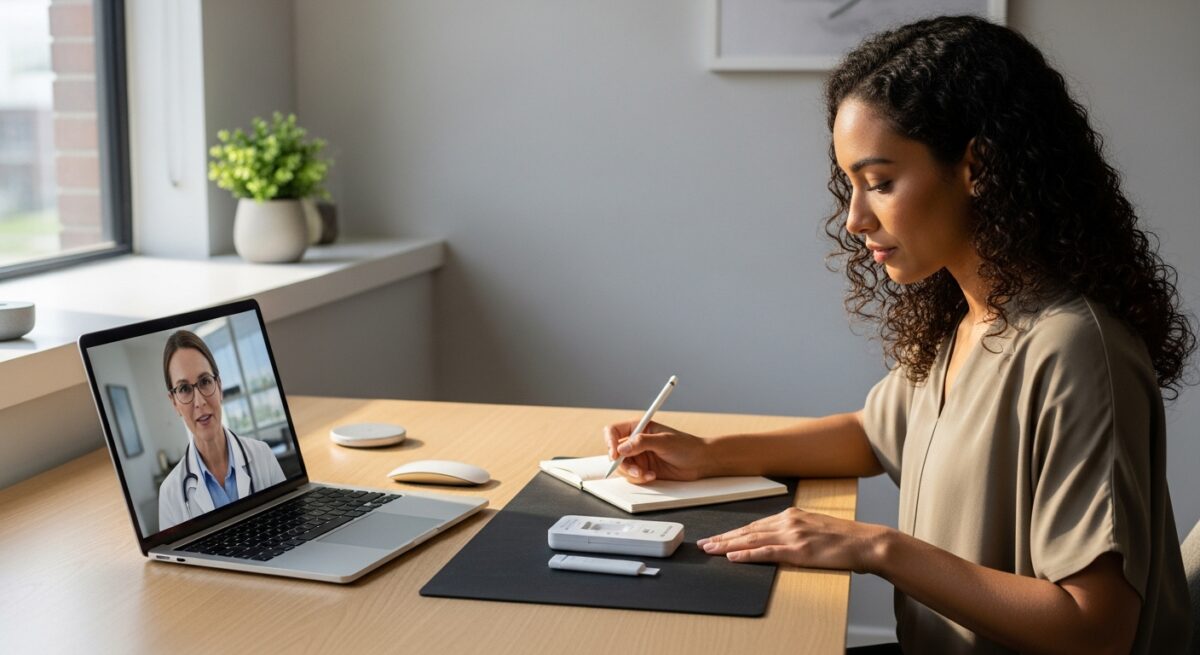
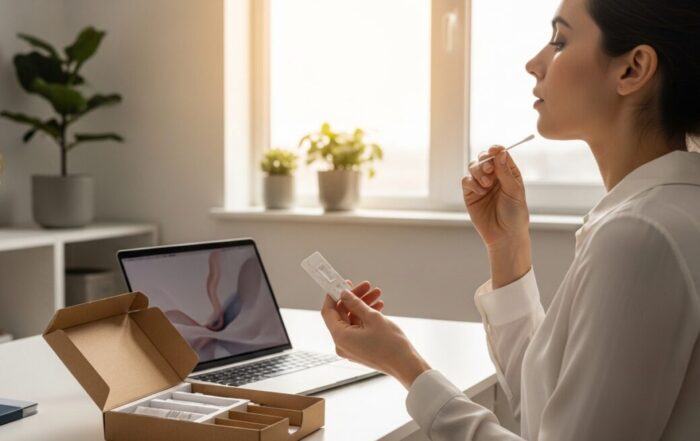
You’ve just completed a home test kit, whether for a chronic condition, an infection, or general wellness. The results are in your hands, but a critical question remains: what do these results actually mean for your health, and what should you do next? This moment is where the true value of modern healthcare is realized, not in the test itself, but in the professional interpretation and actionable plan that follows. A telehealth follow up after a home test is the essential bridge between raw data and personalized care, transforming a simple result into a clear path forward. This process ensures you are not left navigating complex medical information alone, connecting you directly with a licensed provider who can offer guidance, diagnosis, and treatment from the comfort of your home.
The Critical Role of Professional Interpretation
Home test kits provide data, but data without context can be confusing or even alarming. A faint line, a numerical value just outside the “normal” range, or a positive marker for a specific antibody requires expert analysis. A telehealth follow up after test kit completion is designed for this exact purpose. During this virtual consultation, a healthcare provider reviews your results in the context of your full medical history, current symptoms, and overall health profile. They differentiate between a clinically significant finding and a benign anomaly, something a layperson’s internet search cannot reliably achieve.
This professional interpretation mitigates risk. For instance, a false positive on a home test could lead to unnecessary stress and actions, while a false negative might provide a dangerous false sense of security. A provider can identify potential testing errors, such as improper sample collection or timing, and recommend confirmatory testing if needed. They translate the binary outcome of a test into a nuanced understanding of your health status, which is the foundation for all subsequent decisions. This step transforms the home test from an isolated consumer product into an integrated component of your continuous healthcare journey.
The Structured Process of a Post-Test Telehealth Visit
A quality telehealth follow up is a structured clinical encounter, not a casual conversation. Understanding this process can help you prepare and maximize its value. The appointment typically follows a logical sequence designed to gather comprehensive information and deliver clear outcomes.
First, the provider will verify your identity and confirm the specific test you used. They will then conduct a thorough review of your results, often asking you to hold the test cassette or read the digital output to the camera for documentation. This is followed by a detailed discussion of your present symptoms, no matter how minor they may seem. The provider will ask about the duration, severity, and character of any issues. They will also review your relevant medical history, current medications, and any allergies. This holistic view is crucial, as the same test result can warrant different actions for different individuals based on these factors.
Following this assessment, the provider will formulate and communicate a clinical opinion. This is the core of the visit. To clarify the next steps, here is a typical sequence for a productive telehealth follow up after a home test:
- Result Verification and Context: The provider confirms your test results and asks clarifying questions about how the test was administered.
- Symptom and History Review: A detailed discussion of your current health status and relevant past medical history takes place.
- Clinical Assessment and Education: The provider explains what the results mean (or don’t mean) for you specifically, offering clear education.
- Joint Decision-Making on Next Steps: Together, you and the provider agree on a plan, which may include lifestyle advice, a prescription, or a referral for further testing.
- Care Coordination and Documentation: The provider summarizes the visit, sends any necessary prescriptions to your pharmacy, and updates your health record with the encounter notes.
This structured approach ensures no critical element is overlooked. The final step often includes the provider sending a summary of the visit to you via a secure patient portal, along with any prescriptions electronically transmitted to your pharmacy of choice. This creates a tangible record of the encounter and the agreed-upon plan.
Potential Outcomes and Next Steps from Your Consultation
The outcome of your telehealth follow up will depend entirely on the combination of your test results and clinical presentation. One of the most common outcomes is the confirmation of a diagnosis and the initiation of treatment. For many conditions managed via telemedicine, such as certain bacterial infections, urinary tract infections, or skin conditions like eczema, a provider can often prescribe appropriate medication immediately following the virtual visit. This seamless integration from test to treatment within a single digital workflow exemplifies the convenience and efficiency of this model.
Another frequent outcome is the recommendation for further diagnostic testing. The home test may be a screening tool, and a positive or equivocal result might necessitate a more definitive, lab-processed test. In this case, the telehealth provider can order these tests for you, often with the ability to send you to a local lab for a blood draw or to provide a requisition for a more comprehensive test kit. They can explain why the additional testing is important and what information it will provide, turning a potentially anxious situation into a managed diagnostic pathway.
Conversely, the outcome may be reassuring education and watchful waiting. If your results are negative and your symptoms are mild or explainable by another cause, the provider can offer guidance on symptom management, home remedies, and specific “red flag” symptoms that should prompt a re-evaluation. This can prevent unnecessary antibiotic use and provide peace of mind. In all scenarios, the provider should outline clear expectations: when you should feel better, what to do if you don’t, and how to follow up. This is especially relevant for managing chronic conditions, where a home test, like a glucose or INR monitor, provides data points that inform ongoing medication management during a virtual check-in.
Maximizing the Value of Your Virtual Follow Up Appointment
To ensure you get the most accurate and helpful advice from your telehealth follow up after test kit use, preparation is key. Being an active, prepared participant directly enhances the quality of care you receive. Start by gathering all relevant information before your appointment window begins. Have the physical test kit and its instructions on hand. Note the exact brand, name of the test, and the lot or expiration date if visible. Write down your results as they appear, and if possible, take a clear, well-lit photo of the test cassette or digital readout to share via the platform’s secure messaging or screen-share function.
Prepare a concise summary of your symptoms. Use the classic “OPQRST” framework as a guide: Onset (when did it start?), Provocation/Palliation (what makes it better or worse?), Quality (how does it feel?), Region/Radiation (where is it?), Severity (on a scale of 1-10), and Time (how has it changed over time?). Also, have a list of your current medications, including dosages, and any known allergies ready. Finally, prepare your questions in advance. What are you most concerned about? What is your biggest question regarding the results? Clear questions lead to clear answers. This level of preparation allows the limited virtual appointment time to be focused entirely on clinical decision-making rather than basic information gathering.
Furthermore, ensure your technology is set up for success. Use a device with a stable internet connection, a working camera, and microphone. Find a private, well-lit, and quiet location for the call. Test your audio and video before the appointment starts. Treat this with the same seriousness as an in-person office visit. The more seamless the technical experience, the more the interaction can focus on your health. This is equally important for various types of tests; for example, discussing the results of a celiac at-home test kit requires detailed conversation about dietary history and gastrointestinal symptoms, which demands clear communication.
Addressing Common Concerns and Misconceptions
Despite its growing adoption, some patients harbor concerns about the efficacy and appropriateness of telehealth for follow-up care. A prevalent misconception is that a virtual visit is inherently less thorough than an in-person one. While a physical exam is limited, for many follow-up scenarios based on objective test results, the history and review of data are the most diagnostically valuable components. A skilled telehealth provider is trained to conduct a targeted visual assessment (inspecting a rash, throat, or eye issue via camera) and ask precise questions to compensate for the lack of touch. For medication management and result interpretation, it is often equally effective.
Another concern revolves around privacy and data security. Reputable telemedicine platforms, like Doctors Home, operate on HIPAA-compliant software designed specifically for protected health information. Encrypted video connections and secure patient portals are standard. It is reasonable to ask about a platform’s privacy policies before engaging. Furthermore, some worry about continuity of care. The ideal telehealth follow up includes a plan for integrating the encounter into your broader health record. Many providers will, with your permission, send a summary to your primary care physician, ensuring your entire care team is informed. This collaborative approach bridges the gap between convenient digital access and traditional coordinated care.
Frequently Asked Questions (FAQs)
Q: Is a telehealth follow up after a home test covered by insurance?
A: Coverage varies widely by insurer and plan. Many major insurers now cover telehealth visits similarly to in-person visits, especially for follow-ups and consultations. It is crucial to check with your insurance provider beforehand to understand your copay, coinsurance, or deductible responsibilities. Some telemedicine services also offer affordable self-pay rates for uninsured patients.
Q: Can I get a prescription from a telehealth follow up?
A: Yes, if the licensed provider determines a prescription is medically appropriate and suitable for a telehealth setting. Providers can prescribe a wide range of medications electronically. However, they are bound by the same federal and state regulations as in-person doctors and cannot prescribe controlled substances or certain other medications without an established in-person relationship in many jurisdictions.
Q: What if my home test result is negative, but I still have symptoms?
A: This is a primary reason for a telehealth follow up. A negative test does not always rule out a condition. The provider can assess whether the test might have been taken too early, performed incorrectly, or if your symptoms point to a different diagnosis altogether. They can guide you on the next appropriate steps, which may include a different test or a trial of supportive therapy.
Q: How quickly can I typically schedule a follow-up after receiving my home test results?
A: One of the key advantages of telehealth is speed. Many platforms offer same-day or next-day appointments, allowing you to address your results and concerns promptly without the wait for a traditional doctor’s office appointment. This rapid access can significantly reduce anxiety and lead to faster treatment initiation.
Q: Are the providers qualified to interpret my specific type of home test?
A: Reputable telemedicine platforms employ licensed physicians, nurse practitioners, and physician assistants who are qualified to interpret common diagnostic tests. For very specialized tests, the platform may have providers with specific expertise or protocols to ensure appropriate referral or consultation. It’s always okay to ask about a provider’s experience with your specific health concern.
The journey of a home test is incomplete without professional guidance. A telehealth follow up after a home test is the mechanism that closes the loop, ensuring the investment you make in your health through self-testing translates into informed action and better outcomes. It provides the expertise, convenience, and continuity needed to navigate modern healthcare confidently. By integrating these virtual consultations into your care plan, you take proactive control of your health while maintaining a direct connection to licensed medical professionals who can help you understand your results and determine the safest, most effective path forward.
About the Author: Matthew Sullivan

Sign up for our newsletter and Save 20% on Test Kits
"*" indicates required fields