

What Do Home Vitamin Tests Measure? A Complete Guide
What Do Home Vitamin Tests Measure? A Complete Guide

Feeling perpetually tired, struggling with brain fog, or noticing your hair and nails are brittle? These vague symptoms could be signs of a nutritional imbalance, but pinpointing the exact deficiency can be a frustrating guessing game. In the past, understanding your vitamin levels required a doctor’s visit, a lab requisition, and often a significant wait. Today, the landscape of personal health has been transformed by the availability of at-home vitamin tests. These kits offer a direct window into your nutritional status, empowering you with data that was once locked behind clinical doors. But what exactly do these tests measure, and how can you interpret the results to make meaningful changes to your health? This guide demystifies home vitamin testing, explaining the biomarkers analyzed, the science behind the measurements, and how this information integrates into a modern, proactive healthcare strategy.
Understanding the Core Biomarkers in Home Vitamin Tests
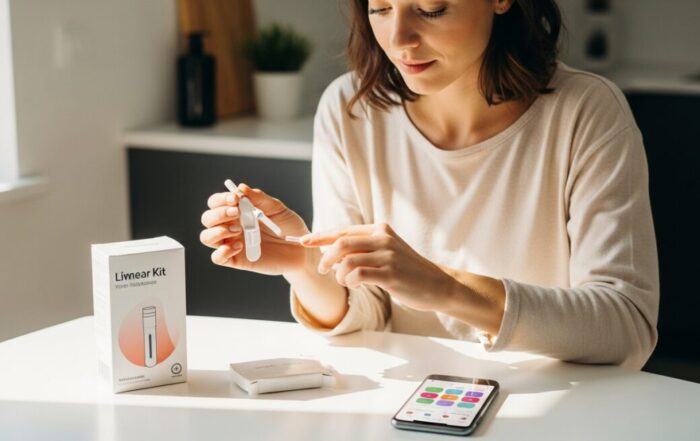
Home vitamin tests do not measure vitamins directly in their whole, active form within your cells. Instead, they analyze specific biomarkers in your blood, and sometimes saliva or urine, that are reliable indicators of your body’s vitamin status. These biomarkers can be the vitamins themselves, their metabolites (breakdown products), or other compounds whose levels are directly influenced by vitamin availability. The most common sample type is a finger-prick blood sample, collected onto a special card or into a microtube, which is then mailed to a CLIA-certified laboratory for analysis. This process ensures the same high standards used in traditional doctor-ordered tests.
The panels offered can range from a single nutrient check to comprehensive profiles. A basic home vitamin deficiency test might focus on Vitamin D and B12, two of the most common deficiencies worldwide. More extensive panels can include fat-soluble vitamins (A, D, E, K), water-soluble B vitamins and Vitamin C, and key minerals like iron, magnesium, and zinc. Some advanced tests also measure markers like homocysteine (linked to B vitamin status) or Omega-3 and Omega-6 fatty acid ratios, providing a broader picture of nutritional health. It’s crucial to understand that these tests measure circulating levels, which is a snapshot of what’s available in your bloodstream at that moment, not necessarily what is stored in your tissues or being utilized perfectly at the cellular level.
The Science Behind Measuring Key Vitamins and Minerals
Each nutrient requires a specific laboratory technique for accurate measurement. For instance, 25-Hydroxy Vitamin D is the major circulating form of Vitamin D and is the standard biomarker measured to assess sufficiency. Laboratories typically use methods like liquid chromatography-tandem mass spectrometry (LC-MS/MS) for high accuracy. Vitamin B12 is often measured directly in serum, but some tests may also include methylmalonic acid (MMA), a metabolite that rises when B12 is deficient, offering a more functional assessment.
For minerals, the methodology is equally precise. Serum ferritin is measured to assess iron stores, not just circulating iron, making it a sensitive early marker for deficiency. Magnesium can be tricky, as most magnesium is intracellular; serum magnesium tests are common but may not reflect total body status, which is why some tests pair it with an RBC (red blood cell) magnesium test for a more accurate picture. Understanding these nuances is key when reviewing your results. A result in the “normal” lab range isn’t always synonymous with “optimal” for feeling your best. Many functional medicine practitioners aim for levels in the upper quartile of the normal range for nutrients like Vitamin D and B12 to support optimal physiological function.
Interpreting Your Results and Next Steps
Receiving your lab report is just the first step. The real value comes from interpretation and action. A quality home testing service will provide a detailed report with your numerical results, the reference range, and clear indicators of where you fall (e.g., deficient, insufficient, sufficient, optimal). However, these reports come with a critical disclaimer: they are for informational purposes only and are not a medical diagnosis. This is where the integration with telemedicine becomes powerful. Platforms like Doctors Home bridge this gap. You can take your at-home test results and discuss them with a licensed healthcare professional in a virtual consultation. This allows for personalized interpretation in the context of your unique symptoms, diet, and health history.
The provider can help you determine if a result is clinically significant, recommend dietary changes, suggest appropriate supplementation types and dosages, and order any necessary follow-up testing. This creates a closed-loop, patient-centered model: you gather the data conveniently at home, and a professional helps you build a actionable plan. This is far superior to self-prescribing supplements based on guesswork, which can be ineffective or, in the case of fat-soluble vitamins, potentially harmful.
Benefits and Limitations of At-Home Nutritional Testing
The advantages of home vitamin tests are significant. They offer unparalleled convenience and privacy, removing barriers like travel time, taking time off work, and anxiety about clinical visits. They empower individuals to take a proactive role in their health, fostering a deeper understanding of how nutrition impacts wellbeing. For those with chronic fatigue, mood issues, or digestive problems that could be nutritionally linked, these tests can provide the first clues. They are also valuable for monitoring levels if you are already taking supplements, to ensure you are on the right track and not over-correcting.
However, a clear understanding of the limitations is essential. As mentioned, they are a snapshot, not a dynamic movie of your metabolism. Levels can fluctuate based on recent diet, stress, and time of day. They cannot diagnose specific diseases. A deficiency could be due to inadequate intake, malabsorption issues (like celiac disease or Crohn’s), or other underlying health problems. This is why professional follow-up is non-negotiable. Furthermore, the quality of tests varies. It is imperative to choose a test from a reputable company that uses certified labs and provides clear result reporting and access to clinical support. Just as you would research before choosing any health service, due diligence is required. For insights on evaluating at-home health tests, our guide on home allergy testing kits and key purchase considerations outlines important factors like lab certifications and clinical review that apply to vitamin tests as well.
Integrating Home Testing into Your Overall Health Strategy
Home vitamin testing should not exist in a vacuum. It is most powerful as one component of a comprehensive health and wellness strategy. Think of it as a diagnostic tool in your personal health toolkit. The ideal workflow begins with identifying your personal health goals or nagging symptoms. You then select a test that aligns with those goals. After collecting and submitting your sample, you await your results. Upon receiving them, you schedule a consultation with a healthcare provider to review the findings. This step is critical. The provider can connect the dots between different biomarkers, ask clarifying questions about your lifestyle, and make safe, effective recommendations.
These recommendations may include:
- Dietary Modifications: Increasing intake of specific foods rich in the nutrients you lack.
- Targeted Supplementation: Recommending the specific form and dose of a supplement, with guidance on duration.
- Lifestyle Adjustments: For example, safe sun exposure strategies for Vitamin D synthesis.
- Follow-up Testing: A plan to re-test in 3-6 months to assess the effectiveness of interventions.
- Referral for Further Evaluation: If results suggest a potential absorption issue or other condition, they can refer you for additional in-person care.
This model epitomizes the future of hybrid healthcare: convenient, patient-initiated data collection paired with professional, virtual clinical guidance. It makes advanced nutritional insights accessible and actionable for everyone.
Frequently Asked Questions (FAQ)
How accurate are home vitamin tests?
When purchased from a reputable company that partners with CLIA-certified/CAP-accredited laboratories, the analytical accuracy of the lab test itself is equivalent to tests ordered through a hospital. Pre-analytical factors (like how you collect the sample) can introduce minor variability, which is why following instructions precisely is vital.
Can I use my home test results to get a prescription?
Yes, in many cases. Telemedicine platforms like Doctors Home are designed for this. A licensed provider reviewing your lab results can, if clinically appropriate, prescribe supplements or other treatments. For example, a severe B12 deficiency may warrant a prescription-strength supplement.
What is the most common deficiency found with these tests?
Vitamin D deficiency is extremely prevalent, even in sunny climates. Vitamin B12 is also common, especially among vegetarians/vegans, older adults, and those on certain medications like proton pump inhibitors.
How often should I test my vitamin levels?
If you are correcting a deficiency, testing every 3-6 months until levels are optimal is common. For general wellness monitoring, once a year may be sufficient, or if new symptoms arise. Your healthcare provider can give personalized advice.
Are there any risks to home testing?
The physical risk is minimal (a small finger prick). The main risk is misinterpretation of results without professional guidance, leading to unnecessary worry or inappropriate self-supplementation. Always seek a clinical review.
Home vitamin tests have democratized access to crucial health data, moving us from a reactive to a proactive model of wellness. By understanding what these tests measure, from Vitamin D and B12 to essential minerals and fatty acids, you can make informed choices about your health. Remember, the test result is just data. The true transformation occurs when that data is interpreted by a licensed professional who can help you craft a personalized plan for improvement. This synergy of convenient home testing and expert telemedicine guidance represents a powerful, modern path to achieving and maintaining optimal nutritional health, allowing you to address deficiencies before they manifest as more serious health concerns.
About the Author: Daniel Brooks




Sign up for our newsletter and Save 20% on Test Kits
"*" indicates required fields