

Virtual Doctor Visit Benefits: Convenience, Access, and Cost Savings
Virtual Doctor Visit Benefits: Convenience, Access, and Cost Savings
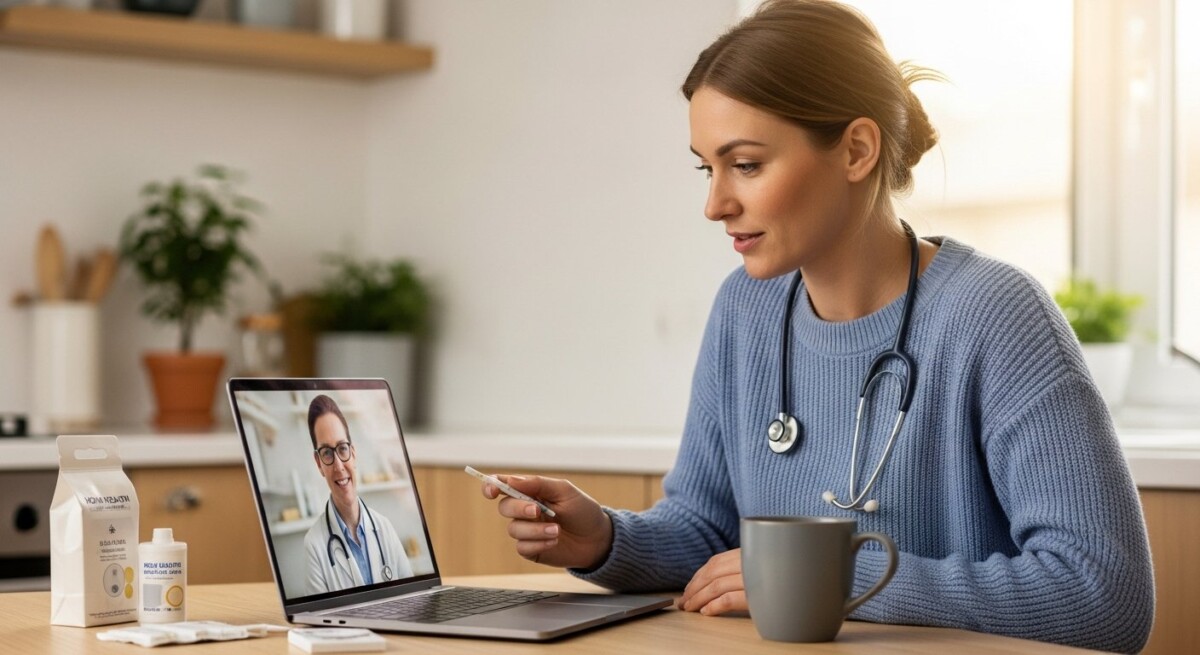
Imagine receiving quality medical care for a common illness, a prescription refill, or a follow-up consultation without ever leaving your home, taking time off work, or sitting in a waiting room. This is the fundamental promise of telemedicine, a healthcare revolution that has moved from a niche convenience to a mainstream necessity. The advantages of connecting with a licensed provider through a secure video call or chat extend far beyond mere convenience, touching on critical aspects of healthcare access, cost, and continuity. For millions, virtual doctor visit benefits represent a practical solution to modern healthcare challenges, offering a streamlined path to treatment for non-emergency conditions while integrating seamlessly with traditional care models.
Unlocking Unprecedented Convenience and Time Savings
The most immediate and tangible benefit of a virtual doctor visit is the dramatic reduction in time and logistical hassle. Traditional in-person appointments often involve a multi-step process: scheduling an appointment weeks in advance, commuting to the clinic, finding parking, checking in, and waiting in a reception area, followed by more waiting in an exam room. This process can easily consume two to three hours for a consultation that may last only 15 minutes. A virtual visit condenses this experience into a focused, efficient interaction. Patients can often schedule same-day or next-day appointments, log in from their home or office at the appointed time, and connect with a provider within minutes. This efficiency is not just a minor perk, it is a transformative shift that makes seeking care a realistic option for busy professionals, parents with young children, caregivers, and anyone with mobility challenges. The time saved translates directly into less disruption to work, family life, and daily routines.
Expanding Access to Care for Underserved Populations
Beyond convenience, virtual care serves as a powerful tool for democratizing healthcare access. Geographic barriers, which have long plagued rural communities, are effectively dismantled by telemedicine. Patients living in areas with a shortage of specialists or even primary care physicians can now consult with experts hundreds of miles away. This is equally vital for individuals in urban “healthcare deserts” where local clinics may be overcrowded or under-resourced. Furthermore, virtual visits break down transportation barriers for those who cannot drive, lack reliable transit, or for whom travel is physically taxing. For patients managing chronic conditions that require frequent monitoring, such as diabetes or hypertension, the ability to have regular check-ins via video can improve adherence to treatment plans and enable earlier intervention. This model of care ensures that quality medical guidance is not a privilege reserved for those with proximity and mobility, but a service available to a much broader population.
A Closer Look at Financial and Practical Advantages
The economic argument for virtual care is compelling for both patients and the broader healthcare system. For the individual, savings are multifaceted. There are direct costs, such as lower visit copays often associated with telehealth services offered through insurance plans, and the elimination of expenses for gas, parking, or public transit. Indirect costs, including lost wages from taking half a day off work, are also minimized. From a systemic perspective, telemedicine can reduce unnecessary and costly emergency room visits for minor issues like sinus infections, rashes, or urinary tract infections. By providing an accessible, affordable first point of contact, virtual care helps direct patients to the appropriate level of care, alleviating strain on overburdened emergency departments. The practical benefits also extend to the clinical environment itself, reducing exposure to other illnesses in waiting rooms, a concern that became paramount during the COVID-19 pandemic and remains important for immunocompromised individuals.
To understand the full scope of how this service operates from start to finish, our detailed guide on how remote GP consultations work walks you through the entire process.
Ideal Use Cases for Virtual Medical Consultations
While telemedicine is not suitable for life-threatening emergencies or conditions requiring hands-on physical examination (like a possible fracture), it is exceptionally effective for a wide range of common healthcare needs. Understanding when to choose a virtual visit is key to maximizing its benefits. These consultations are highly effective for medical issues where a visual assessment and patient history are sufficient for diagnosis and treatment.
- Follow-up appointments: Managing chronic conditions, reviewing lab results, or adjusting medication plans.
- Prescription refills: For ongoing medications for stable conditions, such as allergies, acid reflux, or birth control.
- Minor acute illnesses: Colds, flu, sinus infections, sore throats, and urinary tract infections.
- Skin conditions: Rashes, acne, eczema, and other dermatological concerns that can be assessed via high-quality video.
- Mental health services: Therapy sessions and medication management for anxiety, depression, and stress.
- Preventive care and lifestyle counseling: Discussions on nutrition, weight management, smoking cessation, and sleep issues.
Platforms like Doctors Home have further specialized in providing efficient care for specific conditions, such as herpes virus management and eye allergy prescriptions, where virtual diagnosis and treatment are particularly well-suited. This focused approach allows patients to get targeted care quickly and discreetly.
Integrating Virtual Care with Comprehensive Health Management
The true power of telemedicine is realized when it is integrated into a holistic healthcare strategy, not used in isolation. The most effective digital health platforms facilitate this integration. For instance, a virtual visit can be the starting point for care that includes at-home testing kits. A provider can recommend a specific test, such as a sexually transmitted infection panel or a cholesterol check, which the patient can complete privately at home and mail to a lab. The results are then reviewed in a follow-up virtual consultation, creating a closed loop of care without any clinic visits. This hybrid model blends the diagnostic capability of testing with the interpretive expertise of a clinician. Furthermore, secure digital platforms ensure that visit notes, prescriptions, and recommendations are documented and can often be shared with a patient’s primary care physician with consent, promoting better care coordination. This seamless integration between virtual consultation, testing, and pharmacy services represents the future of patient-centered care.
Choosing the right platform is crucial for a smooth experience. For insights on selecting a service that meets your needs, consider reviewing our resource on choosing the best telemedicine app for online doctor visits.
Addressing Common Questions and Concerns
Despite its growing adoption, patients often have questions about the efficacy and security of virtual care.
Is the quality of care in a virtual visit comparable to an in-person appointment?
For the appropriate use cases listed above, yes. Licensed healthcare providers are held to the same standards of care regardless of the medium. They are trained to conduct thorough interviews, visually assess symptoms via video, and make clinical judgments. If a physical exam is deemed absolutely necessary, a responsible virtual provider will direct you to an in-person facility.
How is my privacy and data protected during a telehealth visit?
Reputable telemedicine platforms use HIPAA-compliant, encrypted video conferencing software and secure patient portals. Your medical information is protected with the same rigor required of traditional clinics. Always ensure the service you use explicitly states its compliance with healthcare privacy laws.
Can I get a real prescription from a virtual doctor?
Absolutely. If the provider determines a prescription is medically appropriate, they can electronically send it to the pharmacy of your choice. There are limitations, as providers cannot prescribe controlled substances (like most opioids) without an established in-person relationship in many jurisdictions, but a vast array of common medications are readily prescribed.
Will my health insurance cover a virtual doctor visit?
Coverage has expanded dramatically. Most major insurance plans, including Medicare and Medicaid, now cover telehealth services. It is always advisable to check with your specific insurer to understand your plan’s copay or coinsurance for telehealth versus in-person visits.
What technology do I need for a successful visit?
You typically need a smartphone, tablet, or computer with a reliable internet connection, a camera, a microphone, and a speaker. Most platforms work through a web browser or a dedicated mobile app. A private, well-lit space where you can speak freely is also important for the consultation.
The landscape of healthcare is evolving, and virtual doctor visits are now a permanent and essential component. The benefits, spanning from profound convenience and expanded access to tangible cost savings and integrated care management, make a compelling case for their use. By understanding when and how to utilize telemedicine effectively, patients can take greater control of their health journey, receiving timely, quality care in a manner that fits their modern lives. As technology and healthcare continue to converge, these virtual doctor visit benefits will only become more sophisticated and deeply woven into the fabric of how we maintain our well-being.
About the Author: Emily Rodriguez




Sign up for our newsletter and Save 20% on Test Kits
"*" indicates required fields