

Virtual Care vs In-Person Visits: A Guide to Choosing the Right Care
Virtual Care vs In-Person Visits: A Guide to Choosing the Right Care

For many patients today, the first question about healthcare is no longer simply “what do I need?” but “how should I get it?” The rise of telehealth has fundamentally reshaped the medical landscape, offering a compelling alternative to the traditional clinic visit. Yet, this isn’t a simple story of new replacing old. Instead, the modern healthcare journey is increasingly defined by a strategic choice between virtual care and in-person appointments. Understanding the distinct strengths, limitations, and ideal use cases for each modality is essential for receiving timely, effective, and convenient care. This guide provides a comprehensive comparison to help you navigate this hybrid healthcare environment with confidence.
Defining the Modalities: What Are We Comparing?
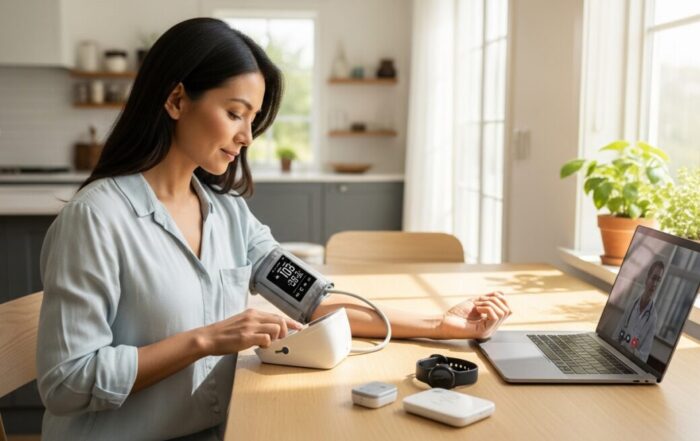
Before weighing the pros and cons, it’s crucial to define the terms clearly. In-person care is the traditional model we are all familiar with: a patient travels to a clinic, hospital, or doctor’s office for a face-to-face consultation, physical examination, and any necessary procedures. Virtual care, also known as telehealth or telemedicine, encompasses a broad range of healthcare services delivered remotely via technology. This typically occurs through secure video conferencing platforms, but can also include phone calls, asynchronous messaging (like secure patient portals), and remote patient monitoring devices that transmit health data like blood pressure or glucose levels to a provider.
The core distinction lies in the medium of interaction and the physical proximity of the patient and provider. This difference cascades into every aspect of the care experience, from access and convenience to the depth of clinical assessment possible. It’s not a matter of one being universally superior, but rather of each being optimally suited for specific situations and patient needs.
The Advantages of Virtual Care: Convenience and Accessibility
Virtual care has surged in popularity for a powerful set of reasons that address long-standing pain points in the healthcare system. Its primary benefits revolve around removing geographical and logistical barriers.
First and foremost is unparalleled convenience and time savings. Eliminating commute time, waiting room delays, and the need to take extensive time off work or arrange childcare can turn a multi-hour ordeal into a 15-minute video call from your home or office. This efficiency is a significant driver of patient satisfaction. Second, virtual care dramatically improves access. It is a lifeline for patients in rural or underserved areas with limited local specialist options, for those with mobility challenges or transportation issues, and for individuals seeking second opinions from experts across the country. Third, it can enhance continuity of care. Follow-up visits, medication check-ins, and chronic disease management consultations can often be handled virtually, making it easier for patients to stay engaged with their care plan between necessary in-person visits.
For certain types of appointments, virtual care is not just convenient, but clinically effective and appropriate. These include:
- Mental health therapy and psychiatric medication management
- Follow-up visits for stable chronic conditions (e.g., reviewing diabetes or hypertension logs)
- Minor, common ailments like sinus infections, urinary tract infections, or pink eye
- Medication refills and management for ongoing prescriptions
- Pre- and post-operative surgical consultations (for discussion, not physical intervention)
- Nutritional counseling and health coaching
To make the most of this modality, proper setup is key. For a smooth experience, review our guide on how to set up a telehealth appointment for seamless virtual care.
The Enduring Strengths of In-Person Care: The Physical Exam
Despite the advantages of digital connection, the physical presence of a patient and provider in the same room remains irreplaceable for a vast array of medical concerns. The cornerstone of in-person care is the hands-on physical examination. This allows a clinician to gather critical data that simply cannot be captured through a screen.
A provider can palpate the abdomen to check for tenderness or organ enlargement, listen to heart and lung sounds with a stethoscope, perform a neurological exam testing reflexes and strength, and conduct a thorough skin inspection. These tactile and auditory clues are fundamental to diagnosis. Furthermore, in-person visits are mandatory for any procedure requiring direct physical intervention. This includes administering vaccinations, drawing blood for lab work, performing biopsies, casting a broken bone, conducting Pap smears or other gynecological exams, and providing wound care. The diagnostic capability is also broader, as immediate access to on-site equipment, like X-ray machines, ultrasound, or EKGs, is possible.
In-person visits also facilitate a different quality of interpersonal connection. Non-verbal communication is fuller, the therapeutic presence can be more profound for sensitive discussions, and the environment is controlled and clinical, which can be important for both diagnosis and patient trust. For new, complex, or worsening symptoms, especially those involving acute pain, trauma, or potential emergencies (chest pain, severe abdominal pain, shortness of breath), an in-person evaluation is not just preferable, it is essential.
Making the Choice: A Framework for Patients
So, how do you, as a patient, decide? The choice between virtual care vs in-person appointments should be guided by the nature of your health concern, your personal circumstances, and the recommendations of your care team. Use the following framework to guide your decision-making process.
Start by assessing the acuity and nature of your symptoms. Ask yourself: Is this a new, unexplained symptom I’ve never had before? Is it a sudden, severe, or debilitating issue? Does it involve acute pain, trauma, or potential warning signs of a serious condition (e.g., chest pain, numbness, high fever)? If the answer to any of these is “yes,” an in-person visit is almost always the right starting point. For follow-ups on known conditions, medication management, minor illnesses, or mental health support, virtual care is often perfectly suitable and highly efficient.
Next, consider logistical and personal factors. Your location, mobility, access to reliable transportation and internet, work schedule, and need for childcare all play a role. Virtual care can be a great equalizer for logistical hurdles. Finally, always consult your provider’s policy and your own comfort level. Some practices have clear guidelines on which visit types they recommend be in-person. Furthermore, if you feel a condition is too complex to explain virtually or you simply prefer a hands-on exam, honor that preference. The goal is effective care, and patient comfort is part of that equation.
The Hybrid Care Model: The Best of Both Worlds
The most forward-thinking healthcare practices are not forcing an either/or choice, but are instead integrating both modalities into a cohesive hybrid care model. This patient-centered approach strategically blends virtual and in-person touchpoints to create a continuous, flexible, and efficient care journey. For instance, a patient with hypertension might have an annual in-person visit for a full physical and blood work, but use virtual check-ins every three months to review home blood pressure logs and adjust medications. A patient recovering from surgery might have an initial post-op visit in person, followed by virtual visits to monitor healing and manage pain medication.
This model maximizes the benefits of each format while mitigating their individual drawbacks. It enhances access and convenience without sacrificing the critical moments of hands-on assessment. It allows for more frequent touchpoints, which can improve medication adherence and chronic disease management outcomes. For healthcare systems, it can improve clinic flow by reserving physical space for the patients who truly need it, potentially reducing wait times for everyone. The hybrid model represents the future of healthcare delivery, where the modality adapts to the patient’s need, not the other way around.
Cost, Insurance, and Privacy Considerations
The financial and practical logistics of care are a significant part of the decision. Generally, virtual visits can be less expensive than in-person appointments due to lower overhead for the provider, and many insurance plans now cover telehealth services at parity, meaning the same copay or coinsurance applies. However, this is not universal. It is imperative to verify coverage with your specific insurance plan before scheduling, as rules can vary. Out-of-pocket costs for self-pay patients may also be lower for virtual consultations.
Privacy and technology present another set of considerations. For virtual care, you need a private space where you can speak freely about your health, as well as a reliable internet connection and a compatible device (smartphone, tablet, or computer). Reputable telehealth platforms use encrypted, HIPAA-compliant software designed to protect your health information. You should confirm the platform your provider uses meets these standards. For in-person care, privacy is managed within the clinical environment, but you trade off the potential data security concerns of a digital connection for the physical privacy of an exam room.
Frequently Asked Questions
Is the quality of care lower in a virtual visit?
For appropriate conditions, studies show the quality and outcomes of virtual care are comparable to in-person care. The key is appropriateness: a virtual visit for a medication refill or therapy session can be high-quality, but it is not suitable for diagnosing a broken bone.
Can a provider prescribe medication during a virtual visit?
Yes, licensed providers can prescribe medications virtually for many conditions. However, they are bound by the same medical and ethical standards as in-person care. Controlled substances often have stricter regulations, and providers will not prescribe medications they deem unsafe without a proper evaluation. For common prescriptions, such as for a UTI, the process is straightforward, as detailed in our article on how to get UTI treatment online.
What if I need lab tests or imaging?
A virtual provider can order necessary labs or imaging studies for you. You will receive a requisition to get the tests done at a local lab or imaging center. The provider will then follow up with you virtually to discuss the results.
How do I know if my issue is appropriate for virtual care?
When scheduling, most provider websites or call centers will have screening questions. You can also use the framework in this article: if it’s a follow-up, mental health, minor illness, or chronic disease check-in, it’s likely suitable. When in doubt, call your provider’s office for guidance.
Will virtual care replace my primary care doctor?
Virtual care is best viewed as a tool that complements, not replaces, your relationship with a primary care physician (PCP). A hybrid model, where your PCP offers both virtual and in-person visits, is ideal for maintaining that continuous, comprehensive relationship while adding flexibility.
The evolution from a solely in-person system to a hybrid one empowers patients with more choices and greater control over their healthcare experience. By thoughtfully considering the nature of your health concern, your lifestyle, and the clinical requirements of the situation, you can strategically choose between virtual care and in-person visits. This informed approach ensures you receive the right care, in the right way, at the right time, leveraging technology for convenience without compromising on the essential human touch and clinical rigor that define great medicine.
About the Author: Emily Rodriguez




Sign up for our newsletter and Save 20% on Test Kits
"*" indicates required fields