

Urgent Care Telemedicine Options: When to Choose a Virtual Visit
Urgent Care Telemedicine Options: When to Choose a Virtual Visit
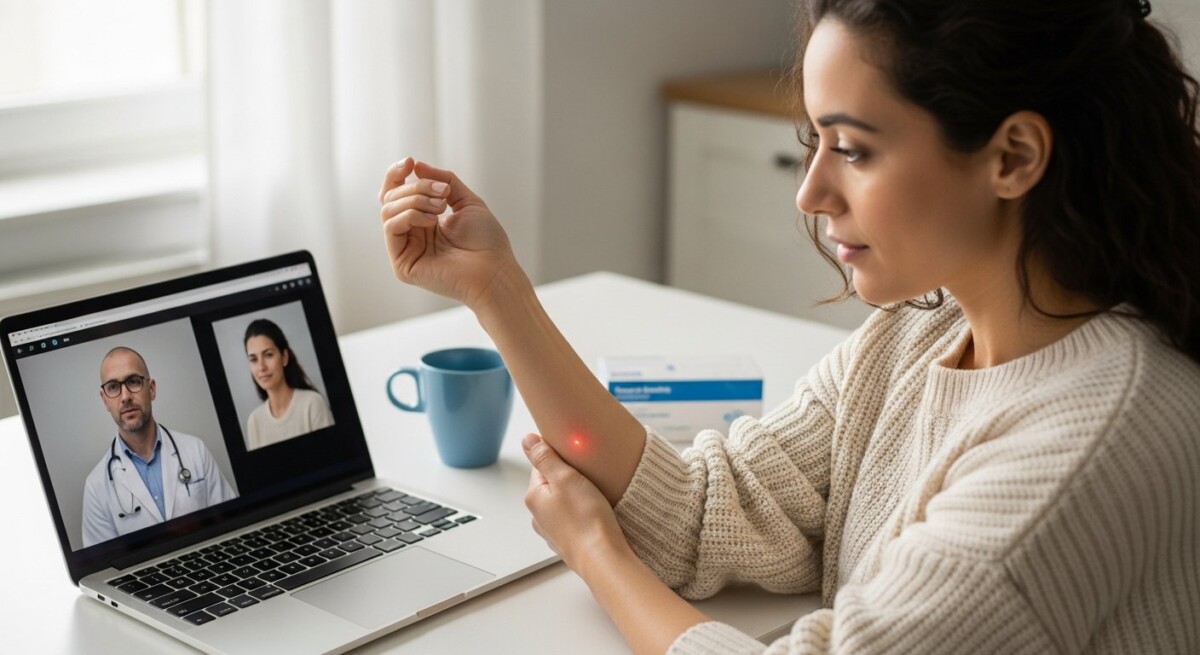
You wake up with a sore throat, a suspicious rash, or a nagging cough that won’t quit. A few years ago, your only options were to tough it out, schedule a doctor’s appointment weeks away, or spend hours in a crowded urgent care waiting room. Today, a new paradigm exists, offering immediate access to care from your living room. Urgent care telemedicine options have transformed how we address non-emergency medical concerns, blending convenience with clinical quality. This shift represents more than just a technological novelty, it’s a fundamental change in healthcare delivery, providing a legitimate, effective alternative for millions of patients seeking timely medical advice without the hassle and exposure of a physical clinic.
Understanding the Scope of Virtual Urgent Care
Virtual urgent care is a subset of telemedicine specifically designed to address acute, non-life-threatening medical conditions that require prompt attention. It connects patients with licensed healthcare providers, such as doctors, nurse practitioners, or physician assistants, through secure video, phone, or chat platforms. The core purpose is to triage, diagnose, and treat common ailments efficiently. It’s crucial to understand what this service is designed for, as its effectiveness hinges on appropriate use. For a deeper dive into how these virtual consultations work from start to finish, our resource on what an online urgent care doctor visit entails provides a clear, step-by-step breakdown.
The model is particularly powerful for conditions that are visually apparent or based on describable symptoms. A provider can visually assess a rash, listen to a cough, examine a sore throat, and review a patient’s history in real-time. This allows for rapid diagnosis and treatment plans, including electronic prescriptions sent directly to a pharmacy if medically appropriate. The convenience factor cannot be overstated, eliminating travel time, waiting room exposure to other illnesses, and the need to take extensive time off work or find childcare. For many, it turns a half-day ordeal into a 15-minute solution.
Conditions Ideal for Telemedicine Urgent Care
Knowing when to use telemedicine is key to a successful experience. These platforms excel at managing a wide array of common acute conditions. If your symptoms fall into one of the following categories, a virtual visit is likely a suitable and efficient first step.
- Respiratory Infections: Colds, sinus infections, bronchitis, and flu-like symptoms (fever, cough, body aches). Providers can assess severity and prescribe medications if needed.
- Skin Conditions: Rashes, eczema flare-ups, poison ivy, minor allergic reactions, acne, and cold sores. Visual assessment via high-quality video is highly effective.
- Minor Injuries: Sprains, strains, minor burns, or cuts that may not require stitches. A provider can advise on home care and whether in-person evaluation is necessary.
- Gastrointestinal Issues: Stomach flu, food poisoning, heartburn, diarrhea, and nausea.
- Urinary Tract Infections (UTIs): For uncomplicated UTIs with classic symptoms, a virtual consultation can lead to a prompt prescription.
- Allergies and Eye Issues: Seasonal allergies, pink eye (conjunctivitis), and other eye irritations are frequently treated via telemedicine. In fact, platforms like Doctors Home specialize in providing prescription solutions for specific issues such as eye allergies through a streamlined virtual process.
- Follow-ups and Medication Management: Follow-up visits for previously diagnosed conditions, medication refills for stable chronic issues (like hypertension), or adjustments to treatment plans.
It is equally important to recognize the limitations. Virtual urgent care is not for emergencies. Chest pain, severe abdominal pain, difficulty breathing, stroke symptoms, major trauma, heavy bleeding, or sudden neurological changes require immediate in-person emergency care. A good rule of thumb: if you would normally call 911 or go directly to an ER, do not use telemedicine for that incident.
Evaluating Different Telemedicine Service Models
Not all urgent care telemedicine options are created equal. Patients can access virtual care through several distinct channels, each with its own structure, cost, and care continuity model. Understanding these differences helps you choose the best fit for your situation.
Direct-to-Consumer Standalone Platforms: These are dedicated telemedicine companies or apps, like Doctors Home, that operate independently of traditional health systems. Patients can typically access them 24/7, on-demand, for a flat fee or subscription. They offer maximum convenience and speed, often with visits available in minutes. These platforms are ideal for one-off, acute issues and often have transparent, upfront pricing. Their providers are licensed to practice in your state, but they may not have access to your full medical history unless you provide it.
Health System or Hospital-Affiliated Services: Many hospitals and large physician groups now offer their own virtual urgent care services. The major advantage here is integration. The provider you see virtually has full access to your electronic health record (EHR) within that system, leading to more informed care and easier follow-up scheduling with your primary care doctor if needed. These services may be covered more seamlessly by your insurance but might have longer wait times or limited hours compared to standalone apps.
Insurance-Provided or Employer-Sponsored Programs: Some health insurance plans and employers partner with specific telemedicine vendors to offer the service as a free or reduced-cost benefit to members/employees. Examples include Teladoc, Amwell, or MDLive. Using these in-network options usually results in the lowest out-of-pocket cost, sometimes as low as a $0 copay. It’s worth checking your insurance portal or benefits package to see if you already have access to a preferred provider.
Hybrid Pharmacy and Retail Clinic Models: Major pharmacy chains and retailers now offer virtual care kiosks or app-based services, sometimes with the option for an in-person component. This can be useful if a virtual consultation results in a need for a quick test (like a strep test) or vaccination, which can be done on-site.
The Patient Experience: From Login to Treatment
What should you expect when you initiate a virtual urgent care visit? The process is designed to be intuitive and efficient. First, you’ll download an app or visit a website and create a secure account. You’ll then be prompted to enter your chief complaint and basic medical history, including current medications and allergies. This pre-visit intake saves valuable time during the consultation. Next, you’ll typically be placed in a virtual waiting room until a provider is available. Wait times can range from a few minutes to an hour, but are generally far shorter than in-person urgent care.
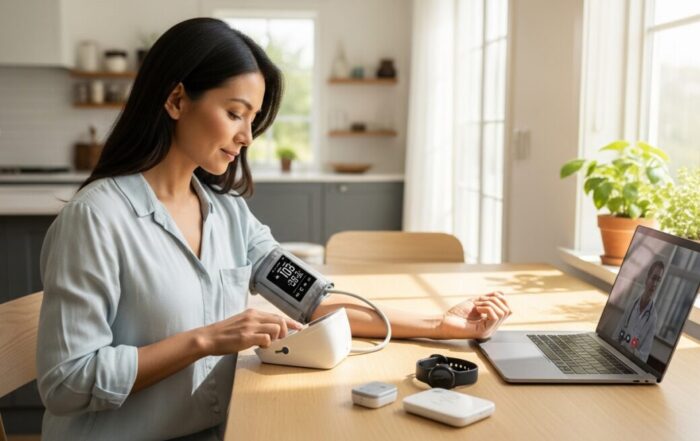
When the provider joins, the consultation begins much like a traditional visit. They will ask detailed questions about your symptoms, duration, and severity. They may ask you to show them the affected area on camera, take your temperature, or check your heart rate if you have a device. The interaction is confidential and protected by HIPAA-compliant technology. Based on the assessment, the provider will offer a diagnosis and treatment plan. This may include advice for home care, an electronic prescription sent to your pharmacy of choice, an order for an at-home testing kit (for conditions like UTIs or STIs), or a recommendation for in-person follow-up if the condition is beyond the scope of telemedicine. The entire encounter is documented, and you receive a visit summary for your records.
Cost, Insurance, and Accessibility Considerations
Cost is a primary driver for many seeking urgent care telemedicine options. The financial landscape varies widely. Direct-to-consumer platforms often charge a clear, flat fee per visit (e.g., $49-$89), which may or may not include the cost of any prescribed medications. This transparency is a significant benefit, allowing patients to know the cost upfront with no surprise bills. Insurance-based models typically bill your insurance just like an office visit, subject to your plan’s copay, coinsurance, and deductible. For many insured patients, the copay for a telemedicine visit is equal to or less than that for a physical urgent care visit.
For seniors, understanding coverage is vital. Medicare has expanded telemedicine coverage significantly, especially following the public health emergency. Many Medicare Advantage plans and, under certain conditions, traditional Medicare, now cover telehealth services. It’s important to verify your specific plan’s rules, as detailed in our guide to Medicare telemedicine coverage and eligibility. Beyond cost, accessibility is a major advantage. Telemedicine breaks down geographic barriers, providing quality care to those in rural areas or with mobility challenges. It also expands access outside of standard business hours, with many services available nights, weekends, and holidays.
Integrating At-Home Testing for Comprehensive Care
A powerful evolution in the telemedicine landscape is the integration of at-home health testing kits. This synergy addresses a traditional limitation of virtual care: the inability to perform lab tests. Now, if a provider suspects a condition that requires confirmation, such as a UTI, strep throat, or certain sexually transmitted infections, they can electronically order a kit to be shipped directly to your home. You collect the sample (urine, saliva, swab) according to clear instructions, mail it back to a certified lab in a prepaid package, and receive results digitally, often within a few days. The prescribing provider then reviews the results with you and recommends any necessary treatment, all without you leaving home. This creates a closed-loop, comprehensive care cycle that significantly expands the diagnostic capabilities of telemedicine.
Frequently Asked Questions
Can I get a prescription through urgent care telemedicine? Yes, absolutely. If, after a thorough evaluation, the licensed provider determines a prescription medication is medically necessary and appropriate for your condition, they can electronically send a prescription to the pharmacy of your choice. This is common for antibiotics, antivirals, allergy medications, topical creams, and more. Controlled substances typically have stricter regulations and are often not prescribed via telemedicine.
How do I know if my condition is serious enough for in-person care? Telemedicine providers are trained to triage and will advise you if your symptoms indicate a need for emergency room care or an in-person visit. If you are ever in doubt, err on the side of caution and seek in-person evaluation. Severe pain, chest pressure, shortness of breath, and altered mental status are always red flags.
Is the quality of care as good as an in-person visit? For the conditions it is designed to treat, studies show telemedicine provides comparable clinical outcomes to in-person visits for patient satisfaction, diagnostic accuracy, and treatment effectiveness. The key is using it for appropriate conditions where a physical exam is not critical.
What technology do I need for a visit? You need a smartphone, tablet, or computer with a reliable internet connection, a camera, a microphone, and a private, well-lit space. Most platforms work through a web browser or a downloadable app.
Are telemedicine visits confidential? Reputable platforms use encrypted, HIPAA-compliant software to ensure your medical information and video consultation are private and secure, just as they would be in a doctor’s office.
Urgent care telemedicine options are no longer a futuristic concept, they are a present-day healthcare essential. They offer a practical, patient-centered solution for managing a wide spectrum of acute health issues with remarkable efficiency. By understanding when to use them, how they work, and how to navigate costs, you can confidently add this tool to your healthcare toolkit. This approach empowers you to take charge of your health on your schedule, reducing barriers and delivering quality care when and where you need it most. As technology and healthcare continue to converge, these virtual options will only become more sophisticated and integrated, further solidifying their role in a modern, accessible medical ecosystem.
About the Author: Robert Hayes




Sign up for our newsletter and Save 20% on Test Kits
"*" indicates required fields