

Understanding PCOS: At-Home Test Options and Key Symptoms
Understanding PCOS: At-Home Test Options and Key Symptoms

For millions of women, the journey to a Polycystic Ovary Syndrome (PCOS) diagnosis is often a frustrating maze of unexplained symptoms, dismissed concerns, and lengthy waits for specialist appointments. The classic signs, like irregular periods, unwanted hair growth, and persistent acne, can significantly impact quality of life and long-term health, making timely understanding crucial. While the definitive diagnosis of PCOS requires a medical professional’s evaluation, the landscape of healthcare is shifting. Today, the initial steps of awareness and preliminary screening are increasingly accessible from the comfort of your home. This article explores the constellation of PCOS symptoms, demystifies the role of at-home hormone tests, and outlines a clear path from initial suspicion to confirmed diagnosis and management, highlighting how modern telemedicine integrates with these tools to provide a more streamlined healthcare experience.
Recognizing the Signs and Symptoms of PCOS
PCOS is a complex endocrine disorder, meaning it involves a hormonal imbalance. Its presentation varies widely from person to person, which is why it can be challenging to identify. There is no single symptom that confirms PCOS, rather, it is typically diagnosed based on a combination of findings known as the Rotterdam criteria, which requires at least two of three features: irregular ovulation, clinical or biochemical signs of high androgen levels, and polycystic ovaries on an ultrasound. Understanding the common symptoms is the first critical step in recognizing when to seek further evaluation.
The symptoms often manifest in interconnected ways. Irregular menstrual cycles are one of the most common red flags. This doesn’t just mean a period that is a few days late, but cycles that are consistently longer than 35 days, fewer than eight periods a year, or exceptionally heavy or prolonged bleeding. This irregularity is a direct result of ovulatory dysfunction, where the ovaries do not release an egg regularly. Another major category of symptoms is hyperandrogenism, or elevated levels of “male” hormones like testosterone. This can lead to physical changes such as hirsutism (excessive hair growth on the face, chest, or back), severe or persistent acne that does not respond well to typical treatments, and in some cases, male-pattern hair loss or thinning on the scalp.
Beyond these core symptoms, PCOS is frequently associated with metabolic concerns. Many individuals with PCOS have insulin resistance, a condition where the body’s cells do not respond effectively to insulin. This can lead to weight gain, particularly around the abdomen, and an intense struggle to lose weight despite diet and exercise. Insulin resistance also increases the risk of developing type 2 diabetes and can exacerbate hormone imbalances. Other common signs include skin changes like acanthosis nigricans (dark, velvety patches of skin in body folds), skin tags, mood swings, anxiety, depression, sleep apnea, and fertility challenges. It’s important to view these symptoms as pieces of a larger puzzle, not in isolation.
The Role and Limitations of At-Home PCOS Tests
In response to the demand for more accessible health insights, the market for at-home health testing has expanded significantly. For PCOS, this primarily involves at-home hormone test kits. These kits allow you to collect a small sample, usually saliva or a finger-prick blood sample, and mail it to a certified laboratory for analysis. The convenience and privacy they offer are undeniable, especially for those beginning to investigate their symptoms. These tests typically measure key hormones implicated in PCOS, providing a snapshot of your hormonal landscape.
Common hormones analyzed in these panels include testosterone (free and total), DHEA-S (another androgen), sex hormone-binding globulin (SHBG), LH (luteinizing hormone), FSH (follicle-stimulating hormone), and sometimes AMH (Anti-Mullerian Hormone), which can be elevated in PCOS. Receiving a report showing elevated androgens or an abnormal LH-to-FSH ratio can be validating and provide concrete data to bring to a healthcare provider. It transforms a subjective conversation about symptoms into an objective discussion backed by initial lab results. This can be particularly empowering and can help accelerate the clinical diagnostic process.
However, it is critical to understand what an at-home PCOS test cannot do. First and foremost, it cannot provide a diagnosis. A PCOS diagnosis is a clinical one, made by a qualified healthcare provider who considers your full symptom history, physical exam findings (like signs of hirsutism), laboratory results, and often a pelvic ultrasound to visualize the ovaries. An at-home test is a screening or informational tool. Furthermore, these kits have limitations. They offer a single point-in-time measurement, but hormone levels fluctuate throughout the menstrual cycle. Without proper timing and clinical context, results can be misleading. They also do not rule out other conditions that mimic PCOS, such as thyroid disorders, hyperprolactinemia, or non-classical congenital adrenal hyperplasia. Therefore, while a hormone test at home is a valuable starting point, it is not the finish line.
A Step-by-Step Pathway from Symptoms to Diagnosis
Navigating from suspicion to a formal PCOS management plan involves several key stages. Taking a structured approach can reduce anxiety and ensure you gather the necessary information for an effective consultation with a healthcare provider.
Begin by meticulously tracking your symptoms for at least two to three months. Use a journal, a period-tracking app, or a simple calendar to note the length and characteristics of your menstrual cycle, any skin or hair changes, mood fluctuations, and other relevant health observations. This detailed history is the most powerful tool you bring to a medical appointment. Concurrently, you may choose to use an at-home hormone test kit to gather preliminary lab data. When selecting a kit, look for those that are CLIA-certified and processed in accredited laboratories to ensure reliability. Follow the collection instructions precisely, especially regarding the timing of the sample in relation to your menstrual cycle, if applicable.
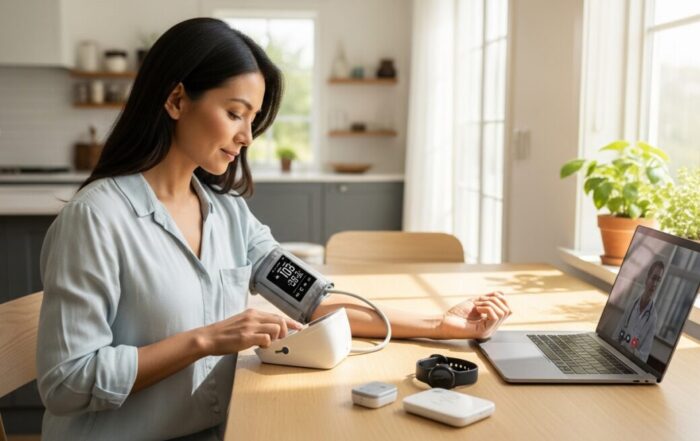
With your symptom log and test results in hand, the next essential step is to consult a medical professional. This is where telemedicine platforms, like Doctors Home, become incredibly useful. You can schedule a virtual consultation with a licensed healthcare provider who is experienced in women’s health. During this consultation, you can discuss your tracked symptoms, review the results of your at-home hormone test, and receive professional guidance. The provider can then order any necessary confirmatory tests, such as a comprehensive blood panel drawn at a local lab, and if needed, a referral for a pelvic ultrasound. They will synthesize all this information to confirm or rule out a PCOS diagnosis. This integrated approach combines the convenience of initial at-home assessment with the essential oversight of clinical expertise.
What to Expect in a Clinical PCOS Evaluation
When you consult a provider, whether in-person or via telemedicine, the clinical evaluation will expand upon your initial findings. The provider will take a thorough medical and family history and perform a review of systems. They may look for physical signs of hyperandrogenism or insulin resistance. They will likely order a broader blood test panel than what is available in standard at-home kits. This panel may include checks for thyroid function, prolactin levels, a lipid profile, and glucose tolerance tests to assess for insulin resistance and diabetes risk. The pelvic ultrasound, if recommended, is used to examine the ovaries for the presence of multiple small follicles (cysts) and assess the uterine lining. It’s important to note that polycystic ovaries can be present in women without PCOS, and conversely, some with PCOS have normal-appearing ovaries on ultrasound, which is why the full clinical picture is paramount.
Management and Next Steps After a PCOS Diagnosis
A diagnosis of PCOS is not just an endpoint, it is the beginning of a personalized management plan. While there is no cure for PCOS, its symptoms and associated health risks can be effectively managed. Treatment is highly individualized, focusing on your specific symptoms and health goals, whether that’s regulating periods, improving skin health, managing weight, or achieving pregnancy.
Lifestyle interventions are the cornerstone of management for most individuals. This includes a balanced, nutrient-dense diet tailored to improve insulin sensitivity (often lower in refined carbohydrates and sugars), regular physical activity, stress management techniques, and adequate sleep. For those with insulin resistance, a medication like metformin may be prescribed. Hormonal birth control is commonly used to regulate menstrual cycles, reduce androgen levels, and clear acne. For hirsutism, anti-androgen medications or topical treatments may be options. For those facing fertility challenges, ovulation-inducing medications are available. Regular follow-up with your healthcare provider is essential to monitor progress, adjust treatments, and screen for long-term health risks like cardiovascular disease and diabetes. The journey with PCOS is ongoing, but with the right tools and support, it is entirely manageable.
Frequently Asked Questions
Can I definitively diagnose PCOS with an at-home test kit?
No. An at-home hormone test cannot provide a definitive diagnosis. It is a screening tool that can reveal hormonal imbalances consistent with PCOS. A formal diagnosis must be made by a healthcare professional using established clinical criteria that include your medical history, a physical exam, lab work, and often an ultrasound.
What is the best at-home test for PCOS?
Look for a comprehensive hormone test at home that measures key hormones like testosterone, SHBG, LH, FSH, and DHEA-S from a reputable company using CLIA-certified labs. The “best” test is one that provides reliable data you can discuss with a doctor. It is not a substitute for professional medical advice.
I have irregular periods but no other symptoms. Could it still be PCOS?
Yes. The diagnostic criteria for PCOS require at least two of three key features. Irregular periods (oligo-ovulation) is one feature. The second could be either elevated androgens (which can be subtle or biochemical only) or polycystic ovaries on ultrasound. It’s important to get evaluated to explore the cause of your irregular cycles.
How does telemedicine help with PCOS diagnosis and management?
Telemedicine provides accessible, timely access to healthcare providers who can evaluate your symptoms, review at-home test results, order necessary follow-up tests, and develop a management plan. It is particularly valuable for ongoing prescription management, lifestyle counseling, and monitoring, making consistent care more convenient. For insights into how at-home testing integrates with remote care, our guide on how an at home lactose intolerance test works illustrates a similar patient-centered model.
Are at-home test kits covered by insurance?
Typically, at-home direct-to-consumer test kits are not covered by health insurance. However, lab tests ordered by a licensed healthcare provider during a telemedicine or in-person consultation are often covered, subject to your plan’s deductibles and co-pays. Always check with your insurance provider for specific coverage details.
Taking charge of your health often starts with listening to your body and seeking clarity. Recognizing the potential symptoms of PCOS and utilizing modern tools like at-home hormone tests can empower you with information. By pairing this initial insight with the clinical expertise available through telemedicine services, you can navigate the path to diagnosis and effective management with greater confidence and support. The goal is not just to identify a condition, but to build a sustainable, personalized plan for long-term well-being.
About the Author: Rachel Nguyen




Sign up for our newsletter and Save 20% on Test Kits
"*" indicates required fields