

The Best Telehealth Apps for Convenient Virtual Care
The Best Telehealth Apps for Convenient Virtual Care

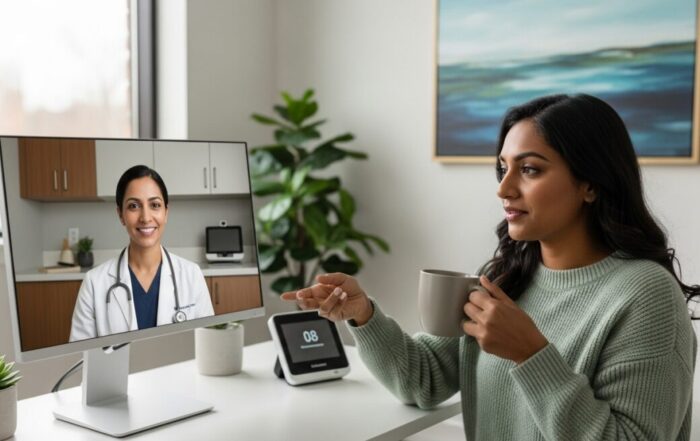
Imagine accessing quality healthcare from your living room, avoiding traffic, waiting rooms, and exposure to other illnesses. This is the promise of telehealth, and it’s delivered through a growing ecosystem of mobile and web applications. With so many options available, finding the right platform can be overwhelming. The best telehealth apps do more than just connect you to a doctor, they create a seamless, secure, and effective care experience tailored to modern life. This guide cuts through the noise to explore what makes a telehealth app truly top-rated, examining key features, use cases, and how to select the platform that best fits your health needs and lifestyle.
What Defines a Top-Rated Telehealth App?
Not all virtual care platforms are created equal. A top-rated telehealth app excels across several critical dimensions that impact user experience, care quality, and overall value. First and foremost is clinical quality. The app must provide access to licensed, board-certified healthcare professionals who are qualified to diagnose and treat conditions within the platform’s scope. This includes doctors, nurse practitioners, and physician assistants who are licensed in your state. The platform should have a rigorous credentialing process for its providers.
Second is usability and accessibility. The interface should be intuitive for people of all tech skill levels, with clear navigation for booking appointments, joining visits, and accessing medical records. It should be stable, with high-quality video and audio to facilitate a genuine clinical conversation. Third is scope of services. While some apps are excellent for urgent care needs like sinus infections or UTIs, others specialize in chronic disease management, mental health, or specific specialties like dermatology. The best apps clearly communicate what they can and cannot treat, ensuring patient safety.
Fourth is integration and continuity. Top platforms consider your whole health journey. This includes features like secure messaging for follow-up questions, easy prescription routing to your pharmacy of choice, and the ability to share visit summaries with your primary care physician. Some leading platforms are integrating at-home testing kits, allowing for a more comprehensive diagnostic approach remotely. Finally, cost transparency and insurance compatibility are non-negotiable. Patients should understand any visit fees, membership costs, or medication prices upfront, without hidden charges.
Core Features to Look for in a Virtual Care Platform
When evaluating telehealth apps, certain features separate the adequate from the exceptional. These elements work together to create a care experience that feels thorough, secure, and supportive.
Before your visit, look for streamlined scheduling. The app should show real-time provider availability and allow you to book appointments quickly. A detailed intake process is also crucial. You should be able to securely describe your symptoms, upload photos of visible concerns (like a rash), and list your current medications and allergies before the visit begins. This gives your provider valuable context and maximizes your consultation time. For many, the ability to choose a specific provider or see provider profiles with bios, reviews, and specialties builds trust and comfort.
During the visit, high-definition, low-latency video is essential. The platform should also offer a backup audio-only option in case of connectivity issues. Features like screen sharing can be useful for a provider to explain a condition visually. After the visit, the app should provide a clear visit summary, including any diagnosis, treatment plan, and prescribed medications. Secure messaging for post-visit questions is a hallmark of continuous care. If a prescription is issued, seamless e-prescribing to your local or mail-order pharmacy is a must. For a deeper look at how these features create a transformative patient experience, explore our analysis of how online consultation apps are transforming patient care.
Beyond the visit itself, consider these supporting features:
- Insurance and Payment: Clear information on accepted insurance plans, copay amounts, and self-pay rates.
- Medical Records Access: A dedicated section to view past visit summaries, prescriptions, and provider notes.
- Family Accounts: The ability to manage profiles and appointments for dependents from one main account.
- Specialist Networks: Access to care beyond primary/urgent care, such as mental health therapists, dermatologists, or nutritionists.
- Privacy and Security: Compliance with HIPAA regulations, with data encrypted in transit and at rest.
Primary Use Cases for Telehealth Applications
Telehealth apps are versatile, but understanding their strengths helps set realistic expectations. The most common and effective use case is for acute, non-emergency conditions. These are minor illnesses or injuries that arise suddenly and require prompt attention but are not life-threatening. Examples include urinary tract infections (UTIs), sinus infections, pink eye, seasonal allergies, cold and flu symptoms, and skin rashes. For these issues, a telehealth visit can provide a diagnosis, treatment plan, and necessary prescription quickly, often within minutes or hours.
Another rapidly growing area is mental and behavioral health. Telehealth has dramatically increased access to therapy and psychiatric care. Apps dedicated to this space offer scheduled sessions with licensed therapists and counselors, and sometimes include tools for mood tracking or digital cognitive behavioral therapy (CBT) exercises. The privacy and convenience of receiving care from home can be particularly beneficial for those seeking mental health support.
Chronic condition management is a more complex but evolving use case. While not all chronic conditions can be managed entirely via telehealth, apps are increasingly used for routine follow-ups, medication management, and monitoring of conditions like diabetes, hypertension, or asthma. This often works best within a hybrid care model, where telehealth complements periodic in-person visits. Furthermore, platforms like Doctors Home specialize in specific ongoing needs, such as managing prescriptions for recurrent conditions like herpes virus outbreaks or eye allergies, providing a reliable, discreet channel for maintenance care.
Preventative and wellness consultations are also gaining traction. This includes nutrition counseling, smoking cessation programs, and general health coaching. Some platforms now integrate at-home testing kits for areas like cholesterol, sexually transmitted infections (STIs), or hormone levels. The telehealth consultation then serves to order the test, discuss the results when they are ready, and formulate a next-step plan based on the data. This creates a powerful feedback loop between testing and professional clinical insight.
Evaluating Cost, Insurance, and Value
The financial model of telehealth apps varies widely, and understanding it is key to avoiding surprise bills. The most straightforward model is a per-visit fee. This is common for urgent care-style visits, with prices typically ranging from $50 to $100 without insurance. Many apps now accept major insurance plans, where you pay your standard specialist copay (often $30-$50). It is vital to check the app’s website or contact customer service to confirm they are in-network with your specific insurance plan.
Subscription or membership models are another approach. For a monthly or annual fee, you get unlimited access to certain services, often primary care telehealth visits. This can be cost-effective for individuals or families who anticipate frequent use. Some employer-sponsored health plans now include a telehealth subscription as a standard benefit. Mental health apps frequently use this model, offering a set number of therapy sessions per month for a recurring fee.
When assessing value, look beyond the sticker price. Consider what is included: is there a time limit on visits? Are follow-up messages within a certain period free? Does the prescription service have additional fees? The value of convenience and time saved (no travel, no waiting room) is also significant. For prescription management services, the value lies in consistent access and streamlined refills for qualifying conditions. The simplest way to start is often by using a platform that integrates booking with clear pricing, as detailed in our resource on how doctor appointment apps simplify healthcare booking.
Always verify the following before your first visit:
- The exact cost with your insurance (copay/coinsurance).
- The self-pay rate if you are uninsured or using an out-of-network provider.
- Any cancellation or no-show fees.
- Whether the platform can send prescriptions to your preferred pharmacy.
- If there are separate fees for the provider’s time and any prescribed medications.
Security, Privacy, and Regulatory Compliance
Entrusting your health information to a digital platform requires confidence in its security measures. A reputable telehealth app must be fully compliant with the Health Insurance Portability and Accountability Act (HIPAA). This federal law sets the standard for protecting sensitive patient data. In practice, this means the app should use end-to-end encryption for video calls and messaging, store your personal health information (PHI) on secure, compliant servers, and have strict access controls so that only authorized clinical and administrative staff can view your data.
You can often assess a platform’s commitment to privacy by reviewing its privacy policy, which should be easily accessible. Look for clear language on how your data is used, who it might be shared with (e.g., only with your explicit consent for treatment purposes), and how it is protected. Be wary of platforms that reserve the right to sell or share de-identified data for marketing without clear opt-out options. The platform should also give you control over your data, allowing you to download your records or request their deletion in accordance with privacy laws.
Regulatory compliance also extends to the practice of medicine itself. Providers must be licensed in the state where you are physically located during the visit. Top-rated apps have systems to verify your location and match you with a provider licensed accordingly. They also have clear protocols for situations that are beyond the scope of telehealth, such as emergencies. They will direct you to seek in-person care (e.g., go to an emergency room or urgent care center) if your symptoms suggest a condition that cannot be safely treated remotely. This ethical and legal boundary is a sign of a responsible platform.
Frequently Asked Questions
Can I get a prescription through a telehealth app?
Yes, for many common conditions, licensed providers on telehealth platforms can prescribe medications if clinically appropriate. However, they are subject to federal and state regulations that prohibit prescribing controlled substances (like most opioids, ADHD medications) without an established in-person relationship in many cases. They can prescribe antibiotics, antivirals, allergy medications, and other non-controlled drugs.
What if I need lab tests or imaging?
If your provider believes you need a lab test (like a blood test) or imaging (like an X-ray), they can order it for you. You will typically be given a requisition to take to a local lab or imaging center. Some platforms partner directly with national lab networks to streamline this process.
Are telehealth visits as effective as in-person visits?
For the specific conditions they are designed to treat, studies show telehealth visits have comparable outcomes to in-person visits for patient satisfaction, diagnostic accuracy, and treatment effectiveness. They are a highly effective tool for appropriate use cases but are not a replacement for all in-person care, particularly for hands-on exams or emergencies.
Can I use telehealth for my child?
Many platforms offer pediatric care. You will need to create a profile for your child and be present during the consultation if they are a minor. Providers on these platforms are trained to assess pediatric patients via video.
What technology do I need?
You typically need a smartphone, tablet, or computer with a camera, microphone, speaker, and a reliable high-speed internet connection. Most apps work through a web browser or a downloadable mobile app from the Apple App Store or Google Play Store.
Choosing among the top rated telehealth apps ultimately depends on aligning a platform’s strengths with your individual healthcare needs. Whether you seek immediate treatment for an acute illness, ongoing management for a chronic condition, or convenient access to mental wellness support, the right app can serve as a powerful extension of your healthcare team. By prioritizing quality of care, ease of use, transparent costs, and robust privacy, you can confidently integrate virtual care into your life, enjoying the benefits of modern medicine delivered on your terms. The future of healthcare is hybrid, and these applications are the essential bridge connecting patients to providers in a new, more accessible paradigm.
About the Author: Laura Simmons




Sign up for our newsletter and Save 20% on Test Kits
"*" indicates required fields