
Telemedicine Security: How Safe Is Your Virtual Healthcare Data?
Telemedicine Security: How Safe Is Your Virtual Healthcare Data?
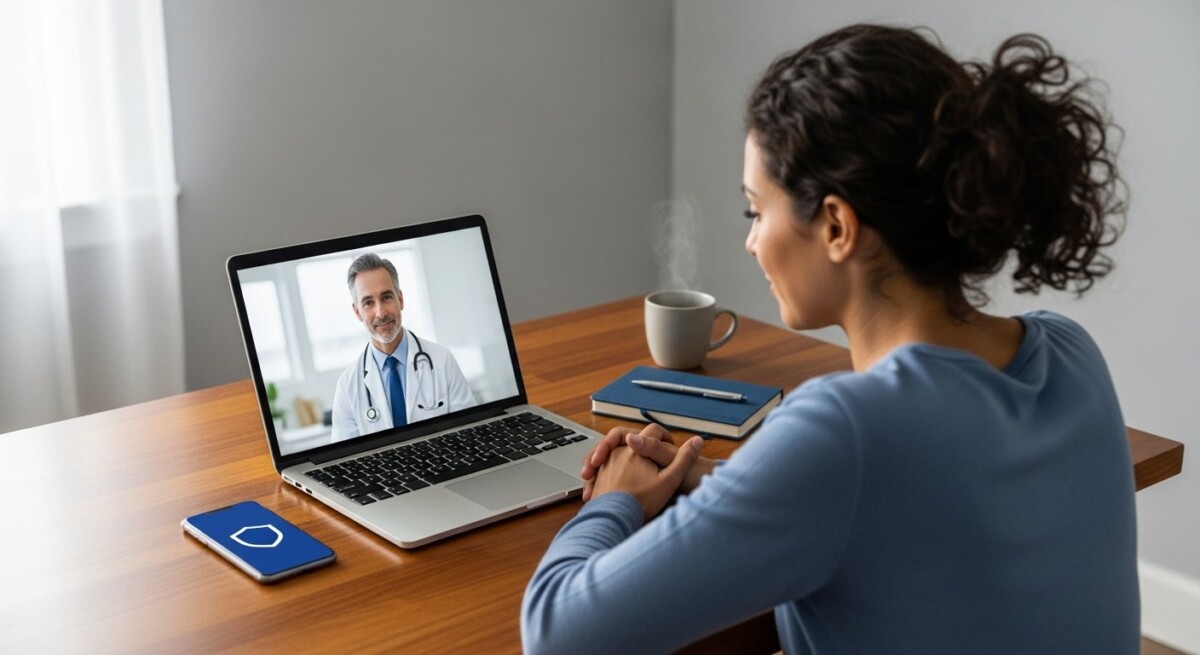
The convenience of telemedicine is undeniable: consulting a doctor from your living room, managing chronic conditions without travel, and accessing care at any hour. Yet, as you share sensitive health information over the internet, a critical question arises: how secure is telemedicine, really? The transmission of personal medical data across digital networks introduces unique vulnerabilities that both providers and patients must understand. The security of virtual care is not a simple yes or no answer, but a complex landscape built on technology, regulation, and vigilant practice. This deep dive examines the robust safeguards in place, the persistent risks, and the practical steps you can take to ensure your virtual health consultations remain private and protected.
The Foundation of Telemedicine Security: Regulations and Standards
Telemedicine security is not left to chance. It operates within a strict regulatory framework designed to protect patient privacy. In the United States, the Health Insurance Portability and Accountability Act (HIPAA) sets the gold standard. HIPAA mandates that all “covered entities,” which include healthcare providers, health plans, and healthcare clearinghouses, implement specific safeguards to protect the confidentiality, integrity, and availability of Protected Health Information (PHI). This applies fully to telemedicine platforms. A HIPAA-compliant telemedicine service must ensure that all electronic PHI (ePHI) is encrypted during transmission and securely stored. This means that even if data is intercepted during a video call or file transfer, it should be unreadable without a unique decryption key. Beyond encryption, HIPAA requires administrative safeguards (like staff training and risk analysis), physical safeguards (securing hardware), and technical safeguards (access controls and audit logs) to create a comprehensive security posture.
Furthermore, reputable platforms often seek additional certifications, such as HITRUST or SOC 2 Type II, which involve rigorous, independent audits of their security controls. These frameworks assess how an organization manages data, focusing on security, availability, processing integrity, confidentiality, and privacy. When a telemedicine provider advertises these certifications, it signals a commitment to exceeding baseline legal requirements. For patients, understanding these standards is the first step in evaluating a platform’s trustworthiness. It’s advisable to review a provider’s privacy policy and security statements, which should outline their compliance with HIPAA and other relevant standards. As explored in our detailed guide on navigating HIPAA telemedicine rules, compliance is an active, ongoing process, not a one-time checkbox.
Common Security Risks in Virtual Care Environments
Despite strong regulations, telemedicine is not immune to threats. The distributed nature of virtual care, where data flows between patient devices, home networks, and provider systems, expands the potential attack surface. One of the most significant risks lies at the endpoints: the patient’s and provider’s own devices and internet connections. An unsecured home Wi-Fi network, an outdated smartphone operating system, or malware on a personal computer can become a gateway for unauthorized access. Phishing attacks, where criminals impersonate legitimate entities to steal login credentials, are also a prevalent threat targeting both patients and healthcare staff.
Another concern is the use of non-compliant communication tools. While convenient, general-purpose video conferencing apps or consumer-grade messaging services may not offer the necessary end-to-end encryption or business associate agreements (BAAs) required by HIPAA. Using such tools for telemedicine consultations can inadvertently expose PHI. Data storage practices are equally critical. A platform must ensure that recorded consultations, clinical notes, and prescription data are stored on secure, encrypted servers with strict access controls. The risk of insider threats, whether from malicious intent or employee negligence, must also be managed through robust authentication and activity monitoring. Finally, as telemedicine often integrates with other digital health tools (like wearable devices or patient portals), vulnerabilities in these connected systems can create chain-reaction security failures.
How Reputable Platforms Protect Your Information
Trusted telemedicine providers deploy a multi-layered defense strategy to counter these risks. This technical armor is designed to secure data from the moment you log in until long after your consultation ends. At the core is end-to-end encryption (E2EE) for all audio-video communications and data transfers. With E2EE, data is encrypted on the sender’s device and only decrypted on the recipient’s device, making it inaccessible to anyone else, including the platform provider itself, while in transit. This is complemented by robust data encryption at rest, where information stored on servers is also scrambled and protected.
Secure user authentication is another critical layer. This goes beyond simple passwords. Best practices include:
- Multi-Factor Authentication (MFA): Requiring a second form of verification, like a code sent to your phone, in addition to your password.
- Role-Based Access Controls (RBAC): Ensuring that healthcare staff can only access the minimum amount of patient data necessary for their job function.
- Automatic Session Timeouts: Logging users out after a period of inactivity to prevent unauthorized access on unattended devices.
Furthermore, platforms conduct regular security audits and penetration testing, where ethical hackers attempt to find and exploit vulnerabilities so they can be fixed before malicious actors find them. They also maintain comprehensive audit trails that log every access and action taken on patient records, creating accountability and enabling the detection of anomalous behavior. For patients needing immediate care, it’s reassuring to know that secure access is available around the clock. You can connect with a 24 hour telemedicine doctor online today through platforms that prioritize these enterprise-grade security measures without sacrificing convenience.
The Patient’s Role in Telemedicine Safety
Security is a shared responsibility. While providers must build secure systems, patients play a vital role in maintaining the integrity of their own health data. Your actions on your personal device and network form the first line of defense. Start by ensuring your technology is up to date. Regularly install updates for your device’s operating system, web browser, and any telemedicine apps. These updates often contain critical security patches for newly discovered vulnerabilities. Use a strong, unique password for your telemedicine account, and never reuse passwords from other sites. If the platform offers MFA, enable it without hesitation.
Your environment matters. Conduct telemedicine visits in a private space where conversations cannot be overheard. Use a secure, password-protected Wi-Fi network, preferably your home network. Avoid using public Wi-Fi in cafes, airports, or hotels for medical consultations, as these networks are often unencrypted and easily monitored. Be vigilant against phishing attempts. Legitimate healthcare providers will not ask for your login credentials or sensitive personal information via email or text message. If you receive a suspicious message, contact the provider directly through their official website or phone number to verify. Finally, when the consultation is over, remember to fully log out of the telemedicine platform, especially on shared or public computers.
Evaluating a Telemedicine Provider’s Security
Before your first virtual visit, take proactive steps to assess a platform’s security posture. This due diligence is as important as checking a doctor’s credentials. First, review the provider’s website for a dedicated security or privacy page. Look for clear statements about HIPAA compliance and ask if they are willing to sign a Business Associate Agreement (BAA), a contract required by law that outlines their specific responsibilities for protecting your PHI. Examine their privacy policy to understand what data they collect, how it is used, and with whom it might be shared. Reputable companies are transparent about these practices.
Investigate the technology itself. Does the platform use a proprietary, secure application or a recognizable, secure video solution designed for healthcare? Be wary of providers who suggest using non-specific consumer apps like standard SMS or social media video calls for consultations. Check for independent validation of their security claims, such as seals or mentions of HITRUST certification or SOC 2 reports. While these reports are often confidential, a provider’s public mention of them is a positive indicator. You can also research the company’s history for any publicly reported data breaches or security incidents. A company that has experienced a breach but responded transparently and strengthened its systems may demonstrate more maturity than one with no public history but also no visible security framework.
Frequently Asked Questions
Is telemedicine more or less secure than in-person visits?
It is different, not inherently less secure. In-person visits risk physical record loss or overheard conversations. Telemedicine risks digital interception. A well-secured telemedicine platform with encryption can protect data during transmission in ways a paper file cannot. The overall security depends more on the specific practices of the provider than the modality itself.
Can my telemedicine conversation be recorded or hacked?
Reputable platforms use end-to-end encryption to make it extremely difficult for outsiders to intercept and decipher a live video call. However, either party (patient or provider) could potentially use screen-recording software on their own device. Providers are bound by HIPAA and ethical rules regarding recording, and they should inform you if a consultation is being recorded for clinical purposes.
What should I do if I suspect a security breach with my telemedicine provider?
First, change your password for that platform immediately. Then, contact the provider directly through a verified phone number (not a link in a suspicious email) to report your concern. You can also file a complaint with the U.S. Department of Health and Human Services Office for Civil Rights (OCR), which enforces HIPAA.
Are text messages with my doctor considered secure telemedicine?
Standard SMS text messaging is generally NOT secure or HIPAA-compliant. Secure telemedicine requires a dedicated, encrypted platform. Some providers offer secure messaging within a patient portal app, which is designed for this purpose and is different from regular texting.
How do I know if my home Wi-Fi is secure enough for a telemedicine call?
Ensure your home Wi-Fi network is protected with a strong, unique password and uses WPA2 or WPA3 encryption (you can check this in your router settings). Avoid using older, outdated WEP encryption. For the highest security during a sensitive consultation, you could use a wired Ethernet connection, which is generally more secure than wireless.
The question of how secure is telemedicine finds its answer in a dynamic balance of robust technology, stringent regulation, and informed behavior. When choosing a platform, prioritize those that demonstrate transparent commitment to security standards like HIPAA compliance and data encryption. As a patient, your vigilance in securing your own devices and networks is a powerful component of the safety equation. Telemedicine, when implemented with security as a foundational principle, offers not only unparalleled convenience but also a private, confidential channel for receiving care. By understanding the safeguards and your role within them, you can confidently embrace the benefits of virtual healthcare.
About the Author: Kevin Ramirez




Sign up for our newsletter and Save 20% on Test Kits
"*" indicates required fields