

Telemedicine Effectiveness: A Data-Driven Analysis for Patients
Telemedicine Effectiveness: A Data-Driven Analysis for Patients

For years, the question “are telemedicine services effective” was a subject of academic debate. Today, it is a practical concern for millions of patients and providers navigating a transformed healthcare landscape. The rapid adoption of virtual care, accelerated by necessity, has provided a wealth of real-world data to move beyond theory. The evidence now clearly indicates that for a wide spectrum of clinical needs, telemedicine is not just a convenient alternative, but a highly effective modality that can deliver comparable or superior health outcomes, particularly when integrated thoughtfully into a patient’s overall care strategy. Its effectiveness, however, is not universal, it is contingent on the condition, the technology, and the quality of the clinical interaction.
Defining Effectiveness in Telemedicine
To assess whether telemedicine services are effective, we must first define our metrics. Effectiveness in healthcare is multidimensional. It is not solely about curing an illness, it encompasses access, patient and provider satisfaction, clinical outcomes, and cost efficiency. A service can be effective in one dimension, such as dramatically improving access for rural populations, while facing challenges in another, such as managing a complex physical exam. Therefore, a nuanced analysis is required. The core of telemedicine’s value proposition lies in its ability to dismantle traditional barriers to care. Geographic distance, mobility limitations, lack of local specialists, and time constraints are significantly reduced when a consultation can happen from a living room. This improved access directly influences effectiveness, as timely medical intervention is a critical determinant of health outcomes.
Clinical Outcomes and Evidence-Based Applications
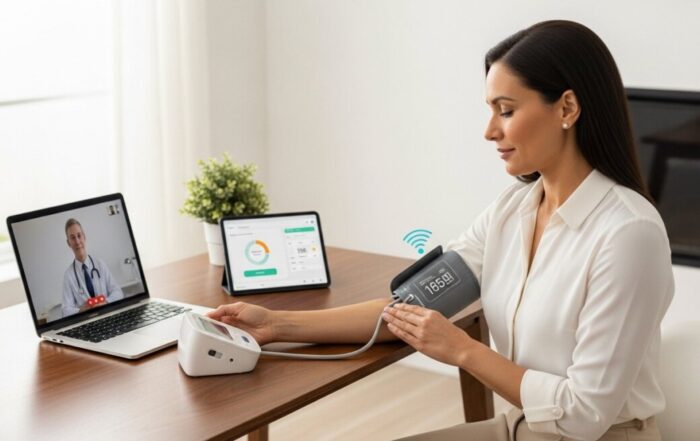
Robust research across numerous specialties provides compelling answers to the question of clinical effectiveness. The consensus is that for many conditions, telemedicine delivers outcomes equivalent to in-person care. In mental health, for instance, teletherapy for depression, anxiety, and PTSD has been shown to be as effective as face-to-face sessions, with the added benefit of reducing no-show rates and improving continuity of care. For chronic disease management, such as diabetes, hypertension, and heart failure, remote patient monitoring (RPM) combined with virtual visits leads to better medication adherence, more frequent touchpoints, and improved control of key health metrics like HbA1c and blood pressure.
In fields like dermatology, where visual assessment is primary, store-and-forward telehealth (sending images for review) can provide efficient triage and management for many skin conditions. Similarly, follow-up visits for stable conditions, post-operative checks, medication reviews, and routine consultations for colds, allergies, or urinary tract infections are well-suited for virtual care. The effectiveness hinges on appropriate patient selection. Telemedicine is less effective, and sometimes contraindicated, for emergencies (chest pain, stroke symptoms), conditions requiring a hands-on physical examination (abdominal pain, certain musculoskeletal injuries), or complex diagnostic workups.
Key Medical Areas Where Telemedicine Proves Effective
Research consistently highlights several areas where virtual care excels. Beyond mental health and chronic care, these include neurology (e.g., follow-up for migraine, epilepsy, or stroke prevention), maternity support (routine prenatal education and postpartum check-ins), and medication management for conditions like HIV or hepatitis C. In these contexts, the regular, convenient access afforded by telemedicine directly translates to better managed health.
The Pillars of Telemedicine Success
The effectiveness of any telemedicine encounter is built upon several foundational pillars. If these are weak, the clinical outcome is compromised. First is technology infrastructure. This includes reliable, high-speed internet for both parties, a user-friendly platform that protects patient privacy (HIPAA-compliant), and appropriate digital tools. For example, a patient monitoring their blood pressure at home needs a validated device and a way to transmit that data securely. Second is clinician training and “webside” manner. Providers must be adept at conducting a thorough interview, guiding patients through self-exams (“can you press on that area and tell me if it hurts?”), and building rapport through a screen. Third is integration into the broader healthcare system. The most effective telemedicine programs are not siloed, they allow for seamless sharing of visit notes, prescriptions, and follow-up plans with a patient’s primary care physician and specialists, ensuring coordinated care.
Consider the following critical components that separate a productive virtual visit from a frustrating one:
- Patient Preparedness: Knowing how to use the platform, having vital signs or symptoms documented, and being in a quiet, private space.
- Clinical Protocol: Clear guidelines for which conditions are suitable for virtual visits and which require in-person evaluation.
- Technical Support: Immediate help for connectivity or access issues to prevent abandoned visits.
- Data Integration: Virtual visit information flowing into the patient’s electronic health record (EHR).
- Reimbursement Parity: Insurance coverage that does not financially penalize patients or providers for choosing effective virtual care.
Quantifying the Benefits: Access, Cost, and Satisfaction
The effectiveness of telemedicine services is powerfully demonstrated in measurable benefits beyond clinical outcomes. Access is the most transformative. It eliminates travel time and cost, reduces wait times for appointments, and brings specialist care to underserved areas. For a working parent or an elderly patient with limited mobility, this access is not merely convenient, it is the difference between receiving care and going without. From a cost perspective, telemedicine can reduce overall healthcare spending by preventing unnecessary emergency room visits, enabling early intervention, and reducing hospital readmissions through better chronic disease management. While the per-visit cost may be similar to an office visit, the systemic savings are substantial.
Patient and provider satisfaction rates are generally high when telemedicine is used appropriately. Patients appreciate the saved time and the comfort of receiving care in their own environment. Providers value the flexibility and the ability to maintain continuity with their patients. High satisfaction is itself a marker of effectiveness, as it correlates with better engagement and adherence to treatment plans.
Limitations and Challenges to Effectiveness
An honest evaluation must address the limitations. The digital divide remains a significant barrier, effectiveness is zero for a patient without broadband or a smartphone. Certain populations, including some elderly or low-income individuals, may be excluded. The lack of a physical exam is an inherent constraint, diagnosticians rely on palpation, percussion, and auscultation. While patients can be guided, it is not a perfect substitute. Furthermore, the therapeutic value of human touch and physical presence in some patient-provider relationships should not be underestimated. There are also regulatory and licensing hurdles (providers typically must be licensed in the state where the patient is located) and ongoing debates about reimbursement rates that can stifle wider adoption.
Frequently Asked Questions
Is telemedicine as effective as in-person care for all conditions?
No. It is highly effective for many routine, follow-up, mental health, and chronic care visits. It is not suitable for emergencies, severe trauma, or conditions requiring complex hands-on examination or immediate diagnostic testing.
How do prescriptions work through telemedicine?
Licensed providers can electronically send prescriptions to your pharmacy of choice for a wide range of non-controlled medications, just as in an office visit. Regulations for controlled substances are stricter and often require an in-person evaluation.
Is telemedicine covered by insurance?
Coverage has expanded dramatically. Most private insurers, Medicare, and Medicaid now cover telehealth services. It is crucial to check with your specific plan regarding copays and which platforms are in-network.
What do I need for a successful telemedicine appointment?
You need a stable internet connection, a device with a camera and microphone (smartphone, tablet, or computer), a quiet private space, and any relevant medical history or current vitals (like a recent temperature or blood pressure reading) handy.
Are telemedicine services secure and private?
Reputable platforms used by established healthcare providers are required to use encryption and comply with HIPAA privacy laws to protect your health information. Avoid using general-purpose video chat apps for medical consultations.
The body of evidence makes a strong case: telemedicine services are effective for a substantial portion of healthcare delivery. Their strength lies not in replacing all in-person care, but in creating a more flexible, accessible, and patient-centered hybrid model. When deployed correctly for appropriate conditions, telemedicine improves health outcomes, enhances patient satisfaction, and creates a more efficient healthcare system. The key for patients and providers is to leverage this tool strategically, understanding its powerful applications and its necessary boundaries, to achieve the best possible health results.
About the Author: Emily Rodriguez



Sign up for our newsletter and Save 20% on Test Kits
"*" indicates required fields