
Telehealth vs Telemedicine: Understanding the Key Differences
Telehealth vs Telemedicine: Understanding the Key Differences
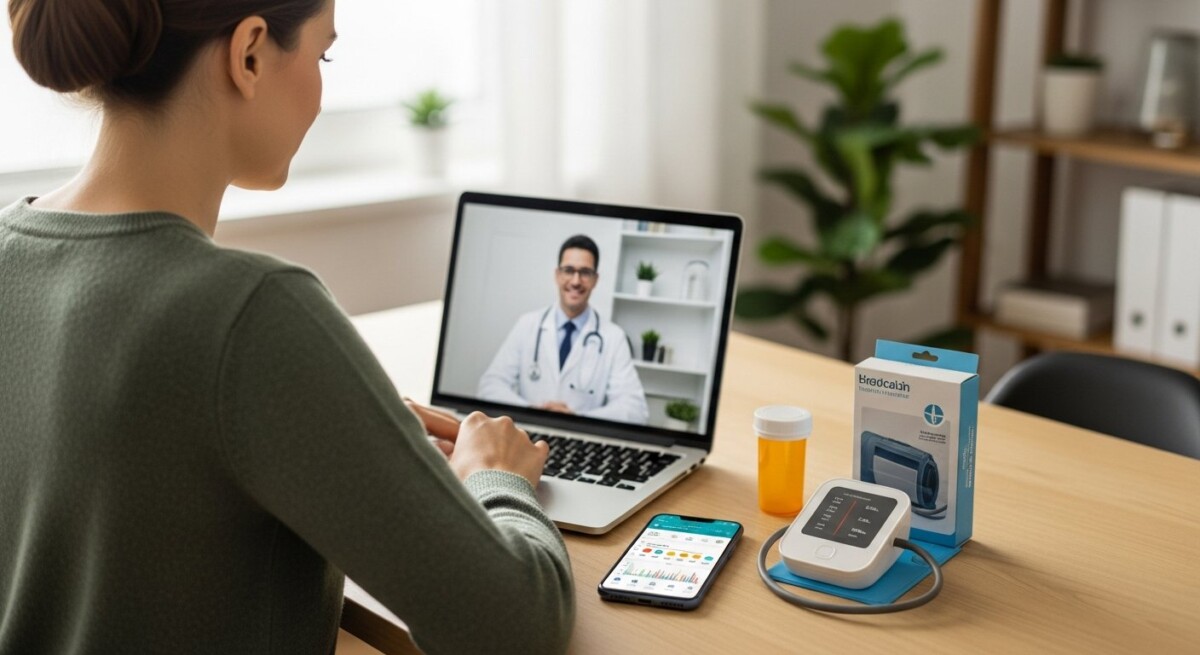
In the rapidly evolving landscape of digital healthcare, the terms “telehealth” and “telemedicine” are often used interchangeably. This common conflation, however, obscures a meaningful and practical distinction that impacts patients, providers, and healthcare systems. While both represent the powerful integration of technology and healthcare delivery, understanding the telehealth vs telemedicine difference is crucial for navigating services, setting accurate expectations, and appreciating the full scope of virtual care. This confusion isn’t just semantic, it has real-world implications for what kind of care you can access remotely, what your insurance might cover, and how comprehensively your health can be managed outside a traditional clinic setting.
Defining the Core Concepts: Scope and Scale
At its heart, the distinction between telehealth and telemedicine is one of scope. Telemedicine is a subset of telehealth, a more focused application within a broader ecosystem. Think of telehealth as the entire universe of remote health services and health education, while telemedicine is a specific galaxy within it, dedicated to clinical diagnosis and treatment. This fundamental difference in scale informs everything from the types of professionals involved to the technologies used and the intended outcomes for patients.
Telemedicine refers specifically to the practice of medicine using technology to deliver clinical care at a distance. It is a direct replacement for an in-person office visit, but conducted via secure video, phone, or messaging platforms. A patient consulting with their doctor about a sinus infection, receiving a diagnosis for a rash, or discussing medication adjustments for a chronic condition are all engaging in telemedicine. The interaction is typically between a patient and a licensed healthcare professional (a physician, nurse practitioner, or physician assistant) with the explicit goal of diagnosing, treating, and preventing disease or injury. The scope is clinical, curative, and often episodic.
In contrast, telehealth is a much broader term encompassing all the ways technology facilitates health services and information. It includes telemedicine but also extends far beyond the clinical encounter. Telehealth incorporates non-clinical services that support patient wellness and healthcare system efficiency. This includes provider-to-provider consultations (like a specialist assisting a general practitioner remotely), remote patient monitoring (using devices to track vitals at home), health education and administration, and even medical training. Its focus is on the entire continuum of care, from prevention and education to clinical intervention and long-term management.
The Practical Implications for Patients and Providers
Why does this distinction matter in a practical sense? For patients, it clarifies what is available. If you need a prescription refill or have a new, specific symptom, you are looking for a telemedicine service. If you are seeking nutritional counseling, physical therapy guidance, or a support group for a chronic condition, you are likely engaging with a broader telehealth program. For healthcare providers and organizations, the terminology can influence billing, regulatory compliance, and the design of service offerings. Insurance reimbursements often have specific guidelines for “telemedicine” codes that are distinct from those for remote monitoring or educational sessions under the telehealth umbrella.
The tools and interactions also differ. A classic telemedicine encounter is a synchronous, two-way, live audio-video conference mimicking a visit. Telehealth, due to its wider scope, leverages both synchronous and asynchronous tools. This includes store-and-forward technology (like sending an image of a skin condition to a dermatologist for later review), mobile health apps for medication reminders, and data transmission from a home glucose monitor to a care team dashboard. The following list highlights key areas where telehealth extends beyond the core clinical focus of telemedicine:
- Remote Patient Monitoring (RPM): Using connected devices (e.g., blood pressure cuffs, glucose meters, pulse oximeters) to collect and transmit patient data to a provider for review and intervention.
- Medical Education and Training: Providing continuing medical education (CME) for professionals or health literacy resources for patients via online platforms.
- Administrative Meetings: Hosting virtual team meetings, case conferences, or supervision sessions for healthcare staff.
- Non-Clinical Wellness Services: Offering lifestyle coaching, mental health counseling (which can be clinical but is often categorized separately), physical therapy exercises via video, and nutritional planning.
This broader scope makes telehealth a cornerstone of modern population health management and value-based care models. It enables proactive, continuous care that keeps patients healthier and out of acute care settings, whereas telemedicine is often reactive, addressing specific issues as they arise. Both are essential, but they serve complementary roles in a complete healthcare delivery system.
Technological Overlap and Distinct Platforms
The technology enabling both fields overlaps significantly, but the applications can vary. Both rely on secure, HIPAA-compliant communication platforms that ensure patient privacy. However, a platform designed purely for telemedicine may prioritize features like high-definition video for examinations, integrated electronic health record (EHR) access, and e-prescribing capabilities. A comprehensive telehealth platform, on the other hand, might integrate those clinical features with additional modules for patient education content libraries, remote monitoring device dashboards, and asynchronous messaging workflows for care coordination teams.
The common thread is connectivity, but the endpoints differ. In telemedicine, the primary connection is a direct clinical pathway between a patient and a provider. In telehealth, the network is more complex: it connects patients to providers, providers to other providers, patients to educational resources, and medical devices to data analytics engines. This technological ecosystem supports a more holistic view of the patient, moving beyond the episodic visit to continuous engagement. For example, a patient with heart failure might have a telemedicine visit to adjust diuretics (clinical care), while also participating in a telehealth program that includes daily weight and blood pressure monitoring via a Bluetooth scale and cuff, automated medication reminders, and access to a video library about low-sodium cooking.
Regulatory and Reimbursement Landscape
The telehealth vs telemedicine difference is particularly salient in the context of regulation and payment. Historically, reimbursement policies from Medicare, Medicaid, and private insurers were stricter and more limited for telemedicine, often requiring the patient to be in a designated rural healthcare facility. Reforms, especially accelerated during the COVID-19 public health emergency, expanded coverage for many telehealth services. However, nuances remain. “Telehealth” is often the term used in federal and state legislation to describe the broader array of services, while payment codes (CPT codes) frequently specify “telemedicine” for evaluation and management visits.
Understanding this can help patients and providers navigate coverage. A remote patient monitoring program, a core telehealth component, is billed using specific RPM codes distinct from a standard video office visit code. Similarly, coverage for asynchronous “e-visits” or virtual check-ins may fall under different guidelines than live video consultations. The regulatory environment continues to evolve, but the trend is toward greater parity, recognizing the value and efficacy of both focused telemedicine and expansive telehealth in improving access, outcomes, and efficiency.
Choosing the Right Service for Your Needs
For the consumer, the key is to match your health need with the appropriate service type. Asking the right questions can ensure you get the care you expect. Are you seeking a diagnosis or treatment for a specific, new symptom? If so, a telemedicine appointment with a doctor, nurse practitioner, or specialist is your target. Are you looking for ongoing management of a chronic condition, lifestyle coaching, or a therapy session? These may be offered under a broader telehealth program. When booking an appointment or exploring a digital health app, look for clear descriptions of the service. Does it mention prescribing authority, diagnosis, or treating medical conditions (telemedicine)? Or does it describe monitoring, education, coaching, and support (telehealth)?
Frequently Asked Questions
Q: Will my insurance cover both telehealth and telemedicine services?
A>Coverage varies significantly by insurer and plan. Since the COVID-19 pandemic, coverage for live video telemedicine visits has become widespread. Coverage for broader telehealth services, like remote patient monitoring or asynchronous messaging, is expanding but less universal. Always check with your insurance provider to understand your specific benefits for virtual care.
Q: Can I get a prescription through a telehealth service?
A>Yes, but typically this occurs during a telemedicine encounter, which is the clinical subset of telehealth. A licensed healthcare professional must conduct a real-time or asynchronous evaluation (where legally permitted) to diagnose a condition before prescribing medication. Not all telehealth interactions, such as pure wellness coaching, involve prescribing authority.
Q: Is one more secure than the other?
A>Both telehealth and telemedicine platforms used by legitimate healthcare providers must comply with HIPAA regulations to protect your personal health information. This means they use encryption and other security measures. The security level depends on the specific platform, not the category of service. Always ensure you are using a provider-recommended, secure app or portal, not general consumer video software.
Q: Which term should I use when searching for a virtual doctor’s appointment?
A>For a direct clinical appointment, searching for “telemedicine” or “virtual doctor visit” will yield more targeted results. However, in common parlance and marketing, many healthcare providers use “telehealth” to encompass all their virtual services, including clinical visits. It’s often best to look at the description of the service offered rather than relying solely on the term used.
The evolution of digital health is moving towards integration, where the lines between telehealth and telemedicine blur within seamless patient journeys. Yet, understanding the telehealth vs telemedicine difference remains a valuable framework. It empowers patients to seek appropriate care, helps providers design effective service lines, and clarifies discussions about policy and payment. Ultimately, both concepts are driving toward the same goal, leveraging technology to make healthcare more accessible, efficient, and patient-centered. As the field matures, this foundational knowledge ensures that individuals and systems can fully harness the potential of virtual care in all its forms.
About the Author: Robert Hayes




Sign up for our newsletter and Save 20% on Test Kits
"*" indicates required fields