

Telehealth for Primary Care: A Modern Approach to Everyday Health
Telehealth for Primary Care: A Modern Approach to Everyday Health

Imagine managing a chronic condition, getting a prescription refill, or addressing a sudden health concern without rearranging your entire day. This is the reality offered by telehealth for primary care, a fundamental shift in how we access foundational medical services. By leveraging secure video, phone, and messaging platforms, patients can now connect with their primary care providers (PCPs) for a wide range of non-emergency needs from the comfort of home. This model is not just a temporary convenience, it is redefining the patient-provider relationship, expanding access, and creating a more proactive, continuous form of healthcare. For many, the family doctor is no longer a place you go, but a service you access seamlessly as part of your health journey.
The Expanding Scope of Virtual Primary Care
Telehealth for primary care encompasses far more than a simple video call for a sore throat. Its scope has matured significantly, covering a broad spectrum of services that form the backbone of ongoing health management. The core function remains the virtual office visit, which is ideal for follow-up appointments, medication reviews, and discussing new, non-urgent symptoms. For many common ailments, like sinus infections, urinary tract infections, or skin rashes, a telehealth appointment can provide a timely diagnosis and treatment plan, often avoiding an unnecessary trip to a clinic. This is particularly valuable for managing routine symptoms of colds and flu, as detailed in our resource on how telehealth for cold and flu symptoms transforms care.
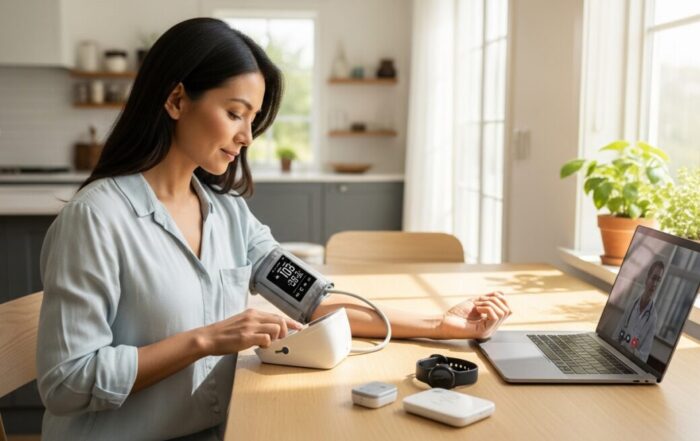
Beyond acute issues, telehealth is exceptionally powerful for chronic disease management. Patients with conditions like diabetes, hypertension, or asthma can have more frequent, low-friction check-ins with their provider to review home-monitored data (like blood glucose or blood pressure logs), adjust medications, and discuss lifestyle modifications. This facilitates tighter control and earlier intervention. Furthermore, mental and behavioral health, an integral part of whole-person care, is effectively supported through telehealth. Regular counseling and medication management for conditions like depression and anxiety can be seamlessly integrated into primary care, breaking down traditional silos. The effectiveness of this integrated approach is further explored in our article on how telehealth for anxiety treatment is changing mental health care.
Tangible Benefits for Patients and Providers
The adoption of telehealth in primary care delivers concrete advantages for all parties involved. For patients, the most immediate benefit is unparalleled convenience and time savings. Eliminating commute time, waiting rooms, and time off work removes significant barriers to seeking care. This is especially crucial for individuals in rural areas, those with mobility challenges, or parents with young children. Access improves dramatically, making it easier to fit healthcare into busy lives.
For healthcare providers and health systems, telehealth introduces new efficiencies. It can optimize schedules, reduce no-show rates, and allow providers to see patients in a focused, time-efficient manner. Perhaps most importantly, it fosters a model of continuous, rather than episodic, care. With easier touchpoints, providers can monitor patients more closely, leading to better health outcomes and potentially reducing costly emergency department visits and hospitalizations. The model also supports preventive care by making it easier to conduct health coaching and wellness discussions.
Implementing Telehealth in Your Primary Care Routine
Integrating telehealth successfully requires some forethought from both patients and practices. For patients, the first step is to confirm if their existing primary care provider offers virtual visits. If not, many dedicated telehealth platforms and local health systems now provide virtual-first or hybrid primary care options. Preparing for an appointment is key to its success.
To ensure a productive virtual visit, patients should consider the following steps:
- Test Your Technology: Before your appointment, ensure your device (smartphone, tablet, computer) has a working camera, microphone, and speaker. Download any required apps and test the platform.
- Find a Suitable Environment: Choose a quiet, private, and well-lit room for your consultation. Good lighting on your face is essential for the provider to see you clearly.
- Prepare Information: Have your current medication list, pharmacy details, and any relevant home-monitoring data (like recent blood pressure readings) ready. Write down your symptoms, including when they started and what makes them better or worse.
- Have a Backup Plan: Know what to do if the video connection fails. Have your phone ready for an audio-only call if needed.
For healthcare practices, implementing telehealth involves selecting a HIPAA-compliant platform, training staff and providers on its use, and clearly communicating the available services and processes to patients. Establishing guidelines for which conditions are appropriate for virtual visits versus in-person evaluation is also critical for patient safety and quality of care.
Navigating Limitations and Ensuring Quality Care
While transformative, telehealth for primary care is not a panacea and has inherent limitations. The most obvious is the inability to conduct a hands-on physical exam. A provider cannot listen to your heart or lungs, palpate your abdomen, or look inside your ears via a screen. This means certain conditions, like abdominal pain with potential for appendicitis or a severe injury requiring imaging, will always require an in-person visit. The key is a triage system where providers can determine the appropriate channel of care.
Technological barriers also exist, particularly for older adults or those in areas with poor internet connectivity. The digital divide can exacerbate existing health disparities if not addressed with support and alternative options. Furthermore, the regulatory and reimbursement landscape for telehealth continues to evolve, with variations in coverage by insurance plans and state laws. Patients should always verify their telehealth coverage with their insurer beforehand.
Frequently Asked Questions
Is telehealth for primary care as effective as an in-person visit? For many conditions, yes. Studies show comparable outcomes for chronic disease management, mental health, and follow-up care. The effectiveness depends heavily on the condition. Telehealth is a tool best used for appropriate situations, not a total replacement for physical exams.
Can I get a prescription through a telehealth primary care visit? Absolutely. Providers can prescribe a wide range of medications electronically during a telehealth visit, which are sent directly to your pharmacy of choice. Controlled substances have stricter federal and state regulations that may limit prescription via telehealth.
What equipment do I need for a telehealth appointment? You typically need a smartphone, tablet, or computer with a camera, microphone, speaker, and a reliable internet connection. Some services may also work via a standard phone call for audio-only visits.
How do I know if my health issue is suitable for telehealth? Common suitable issues include: follow-ups for chronic conditions (diabetes, hypertension), prescription refills, rashes, cold/flu symptoms, urinary symptoms, mental health counseling, and lifestyle counseling. When in doubt, contact your provider’s office for guidance.
Is telehealth covered by insurance? Most major insurers, including Medicare and Medicaid, now cover telehealth services, but coverage details (copays, visit limits) can vary. It is essential to check with your specific insurance plan to understand your benefits.
The integration of telehealth into primary care represents a lasting evolution in medicine. It moves the focus from reactive, location-bound appointments to proactive, accessible health management. By understanding its capabilities, preparing effectively for virtual visits, and recognizing its boundaries, patients and providers can harness this technology to build stronger, more continuous, and more convenient healthcare relationships. The future of primary care is not purely virtual or purely physical, but a thoughtful, patient-centered blend of both.
About the Author: Megan Patel




Sign up for our newsletter and Save 20% on Test Kits
"*" indicates required fields