

Telehealth for Follow Up Care: A Modern Solution for Better Health
Telehealth for Follow Up Care: A Modern Solution for Better Health
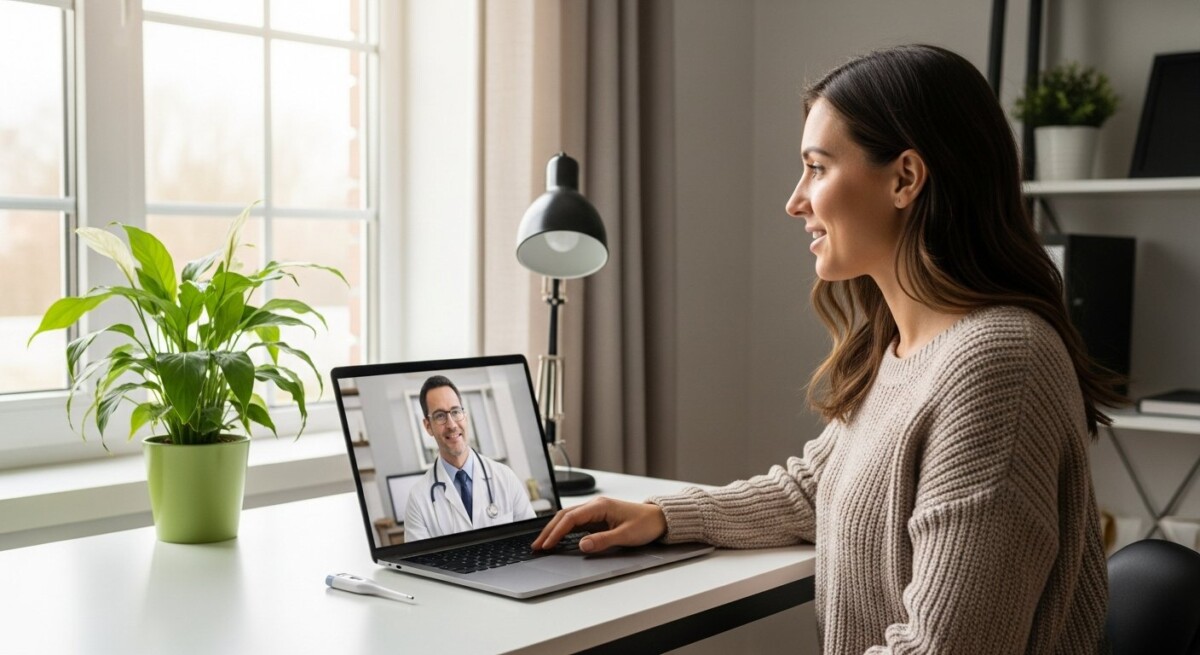
Imagine finishing a medical appointment and knowing your next check-in is just a click away, without the hassle of traffic, parking, or a waiting room. This is the new reality of follow up care, transformed by telehealth. Once a niche convenience, virtual follow up appointments have become a cornerstone of modern healthcare, offering a practical, efficient, and often superior alternative to traditional in-person visits for ongoing management. This shift is not just about technology, it is about rethinking the patient journey to prioritize continuity, convenience, and consistent engagement, leading to better long-term health outcomes.
The Core Benefits of Virtual Follow Up Appointments
The advantages of using telehealth for follow up visits extend far beyond simple convenience. For patients, the elimination of travel time and associated costs is significant. This is especially impactful for those managing chronic conditions who require frequent monitoring, individuals in rural areas with limited specialist access, or parents juggling childcare. Reducing these logistical barriers directly translates to higher appointment adherence. When follow up is easier, patients are more likely to keep their scheduled check-ins, which is critical for effective disease management and post-procedure recovery.
For healthcare providers, telehealth follow ups streamline clinical workflow. They allow for more flexible scheduling, reduce clinic congestion, and can minimize last-minute cancellations. Perhaps most importantly, virtual visits often foster a different kind of patient-provider interaction. The conversation can feel more focused and less rushed within the familiar setting of a patient’s home. This environment can encourage patients to ask questions they might forget in a clinical setting, leading to richer dialogue and better understanding of treatment plans. The efficiency gains also allow providers to potentially see more patients or dedicate more time to complex cases requiring in-person care.
Ideal Use Cases for Telehealth Follow Ups
While not suitable for every clinical scenario, telehealth is exceptionally well-suited for a wide range of follow up purposes. Understanding these use cases helps patients and providers determine when a virtual visit is appropriate. The common thread across these scenarios is that they primarily involve review, discussion, and planning rather than hands-on physical examination or urgent intervention.
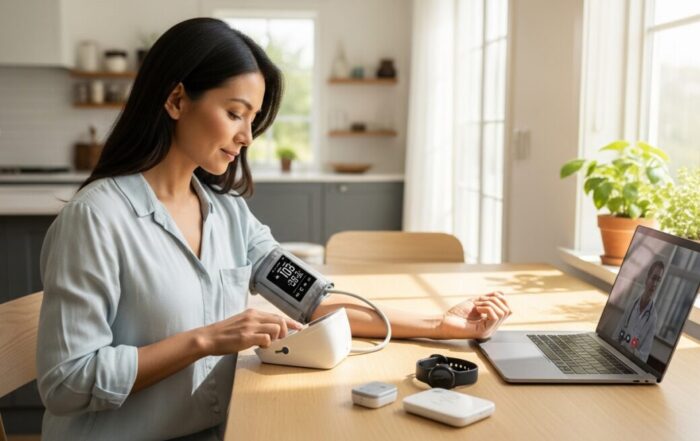
Chronic disease management is a prime example. Regular follow ups for conditions like hypertension, diabetes, asthma, or certain mental health concerns are ideal for telehealth. These appointments often focus on reviewing patient-reported data (like home blood pressure or glucose logs), discussing medication efficacy and side effects, and adjusting care plans. Similarly, post-operative and post-hospitalization follow ups can frequently be conducted virtually to check on healing, review incision sites via video, and assess pain management, reducing the burden on recovering patients. Medication management reviews, including discussions on adherence and refills for stable conditions, are another strong fit.
Furthermore, reviewing diagnostic results is a seamless process via telehealth. Whether discussing lab results, imaging reports, or the findings from an at-home test kit, a virtual appointment provides a timely and private forum for explanation and next steps. For instance, after using an at-home health test, a telehealth follow up is the crucial link to understanding your results. Our guide on what happens after your home test details this important process. The synergy between remote testing and virtual consultation creates a powerful, closed-loop system for proactive health management.
Implementing Effective Telehealth Follow Ups: A Framework
To maximize the effectiveness of a telehealth follow up, both patients and providers should prepare with the same rigor as an in-person visit. Success hinges on preparation, clear communication, and appropriate technology. Here is a practical framework for both parties to ensure these appointments are productive.
For patients, preparation is key. Before the appointment, write down your questions and concerns. Gather any relevant materials, such as medication bottles, a log of symptoms or vitals, or a list of updates since your last visit. Test your technology ahead of time, ensuring your device’s camera, microphone, and internet connection are working. Choose a quiet, private, and well-lit location for the call. During the appointment, be ready to describe symptoms clearly and show the provider any relevant areas, like a healing wound or a skin condition, via the camera if requested.
Providers should also have a structured approach. Confirm the appointment modality with the patient in advance and send clear instructions for joining the virtual visit. During the session, use the same clinical documentation standards as an in-person visit. Employ specific techniques for the virtual environment, such as asking the patient to position the camera for an optimal view or using screen sharing to explain results visually. Crucially, establish clear guidelines at the end of the visit regarding next steps, medication changes, and when an in-person evaluation becomes necessary.
Navigating Challenges and Ensuring Quality
Despite its benefits, telehealth for follow up care is not without challenges. The digital divide remains a concern, as not all patients have reliable internet access or comfort with digital tools. Healthcare systems must offer support and alternatives to ensure equitable care. Clinical limitations are also real, certain assessments simply require physical touch, auscultation, or specialized equipment. A responsible hybrid care model acknowledges these limits, using telehealth where it excels and reserving in-person visits for hands-on needs.
Privacy and security are paramount. Patients should use secure, HIPAA-compliant platforms recommended by their provider, not general-purpose video chat apps. Both parties should verify they are in a private setting to protect personal health information. Reimbursement and licensing regulations continue to evolve, though widespread adoption during the pandemic led to more permanent supportive policies from insurers and states. Patients should always verify coverage for telehealth services with their insurance provider beforehand.
Frequently Asked Questions
Are telehealth follow up appointments as effective as in-person ones?
For the appropriate use cases outlined above, studies show telehealth follow ups can be equally effective for outcomes like medication adherence, patient satisfaction, and chronic disease control. They are a tool for continuity, not a replacement for all in-person care.
Will my insurance cover a telehealth follow up visit?
Coverage has expanded significantly. Most private insurers and Medicare now cover telehealth visits, but policies vary. Always check with your insurance provider and your doctor’s office to confirm coverage and any potential copays.
What technology do I need for a telehealth appointment?
Typically, you need a smartphone, tablet, or computer with a camera, microphone, speaker, and a stable internet connection. Most visits occur through a secure web link or a dedicated patient portal app, requiring no special software download.
Can a doctor prescribe medication during a telehealth follow up?
Yes, providers can prescribe medications during a virtual visit if they deem it clinically appropriate. There are federal and state regulations, particularly for controlled substances, but for most routine medications, it is a standard part of follow up care.
How do I know if my condition is suitable for a telehealth follow up?
Your provider is the best person to determine suitability. Generally, if the visit is for review, discussion, or monitoring of an established condition without new, acute physical symptoms, it is likely a good candidate. When in doubt, ask your care team when scheduling.
Telehealth for follow up care represents a fundamental improvement in how we maintain health over time. By reducing barriers, it fosters a more consistent and engaged relationship between patients and providers. This model of care empowers individuals to take an active role in their health management from the comfort of their homes, while allowing clinicians to practice more efficiently. As technology and protocols continue to refine, the integration of virtual visits into standard follow up pathways will undoubtedly become the norm, not the exception, creating a healthcare experience that is more accessible, sustainable, and patient-centered for the long term.
About the Author: Matthew Sullivan




Sign up for our newsletter and Save 20% on Test Kits
"*" indicates required fields