

Talk to a Doctor Online Now: How Virtual Care Works
Talk to a Doctor Online Now: How Virtual Care Works

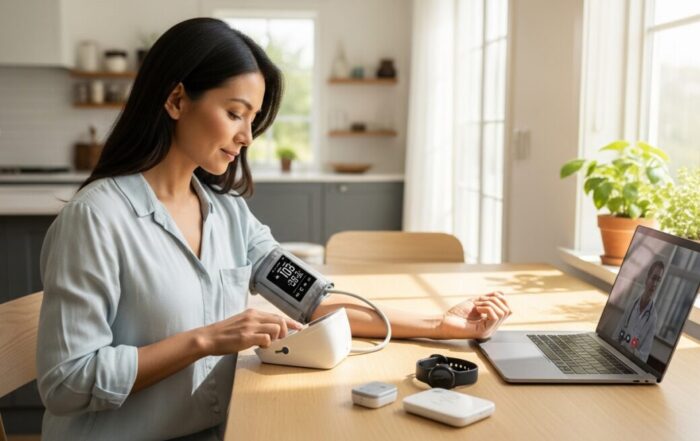
Imagine needing medical advice for a persistent cough, a concerning rash, or a recurring prescription refill. In the past, this meant scheduling an appointment days or weeks out, taking time off work, commuting to a clinic, and sitting in a waiting room. Today, a more efficient, accessible solution is at your fingertips: the ability to talk to a doctor online now. Telemedicine has transformed from a niche convenience into a mainstream pillar of healthcare, offering immediate access to licensed medical professionals from the comfort and privacy of your home. This shift is not just about technology, it is about fundamentally improving how we access care, making it faster, more convenient, and often more affordable.
What Is Online Doctor Consultation?
An online doctor consultation, also known as a telehealth or telemedicine visit, is a virtual appointment where you communicate with a licensed healthcare provider using digital technology. This interaction happens in real-time, typically via secure video call, but can also occur through phone or secure messaging platforms. It is a legitimate medical appointment designed to diagnose, advise, and treat a wide range of non-emergency health conditions. The core principle is to bridge the physical gap between patient and provider, leveraging technology to deliver quality care. These services are provided by fully licensed physicians, nurse practitioners, and physician assistants who adhere to the same medical standards and privacy laws (like HIPAA in the United States) as in-person visits. The scope of care is broad, covering everything from acute illnesses like sinus infections and urinary tract infections to chronic condition management, mental health support, and preventive care consultations.
The Practical Benefits of Talking to a Doctor Online
The advantages of choosing to talk to a doctor online now extend far beyond simple convenience. They address systemic challenges in traditional healthcare, including access, cost, and time. For individuals in rural areas with limited local clinics, for parents with young children, for busy professionals, or for those with mobility issues, telemedicine can be a lifeline. It eliminates geographical barriers and reduces the logistical burden of seeking care. Furthermore, virtual visits often have more transparent and lower costs compared to urgent care or emergency room visits for minor issues. The time savings are substantial, not just in travel and waiting, but in the entire care process. You can often schedule and complete a consultation within an hour, a stark contrast to the multi-hour ordeal of a traditional visit.
Consider these key benefits that make online doctor consultations a compelling choice:
- Immediate Access: Connect with a provider often within minutes or hours, not days or weeks.
- Convenience and Comfort: Receive care from your home, office, or anywhere with an internet connection, reducing exposure to other illnesses in waiting rooms.
- Reduced Costs: Avoid copays, travel expenses, and childcare costs associated with in-person visits. Many services offer flat-rate fees.
- Time Efficiency: No commuting, parking, or lengthy waits. Appointments are typically focused and efficient.
- Continuity of Care: Easier follow-ups and chronic condition check-ins, improving overall health management.
This model of care is particularly powerful for managing ongoing conditions. For example, patients managing herpes virus outbreaks or chronic eye allergies can benefit from timely consultations and prescription renewals without the hassle of an office visit. The ability to quickly discuss symptoms and adjust treatment plans remotely supports better long-term health outcomes and medication adherence.
How to Start a Virtual Doctor Visit
Initiating a virtual doctor visit is a straightforward process designed for user-friendliness. While platforms may vary slightly, the general steps are consistent and simple to follow. First, you will need to choose a reputable telemedicine service. Look for platforms that clearly state their providers are licensed in your state and that use HIPAA-compliant, secure software to protect your health information. Once you have selected a service, you will typically create a secure account and provide basic medical history, similar to filling out paperwork at a new doctor’s office.
The next step is to schedule an appointment or request an on-demand visit. For non-urgent matters, you can often book a specific time slot. For immediate concerns, the “talk to a doctor online now” function connects you to the next available provider. Before your appointment, ensure you have a stable internet connection, a device with a camera and microphone (like a smartphone, tablet, or computer), and a private, well-lit space. It is helpful to have your pharmacy information and a list of current medications ready. For more detailed guidance on preparing for and maximizing a 24/7 telemedicine visit, our resource on how to connect with a 24 hour telemedicine doctor online today provides valuable insights.
What to Expect During the Online Consultation
During the consultation itself, the experience mirrors an in-person visit in many ways. The doctor will greet you, verify your identity, and ask about your symptoms, medical history, and any current medications. Be prepared to describe your symptoms clearly: when they started, their severity, and any factors that make them better or worse. The doctor can conduct a visual examination for issues like rashes, throat redness, or eye problems. They will ask questions to form a diagnosis, just as they would in person. Based on the assessment, the provider will discuss a treatment plan with you. This may include lifestyle recommendations, over-the-counter suggestions, or, if clinically appropriate, a prescription sent electronically to your chosen pharmacy. The consultation concludes with instructions for follow-up, which may be another virtual visit or a recommendation for in-person care if needed.
Conditions Perfectly Suited for Telehealth
Telehealth is remarkably versatile, but it excels in managing specific categories of health concerns. Acute, common conditions that are easily describable and visually assessable are ideal candidates. These are ailments where a physical hands-on exam is less critical than the patient’s history and a visual inspection. For instance, respiratory infections like colds, sinusitis, or bronchitis, skin conditions such as acne, eczema, or allergic rashes, and digestive issues like heartburn or diarrhea are frequently treated via telemedicine. Mental health support, including therapy and medication management for anxiety or depression, has also found a highly effective home in virtual care.
Furthermore, telemedicine is a powerful tool for ongoing management. This includes prescription refills for stable chronic conditions (like hypertension or thyroid disorders), follow-up visits to discuss test results or treatment progress, and lifestyle counseling for weight management or smoking cessation. Services like Doctors Home also specialize in condition-specific care, such as managing herpes virus outbreaks or treating eye allergies, where timely prescription access is crucial. It is important to understand that telemedicine has boundaries. True medical emergencies, such as chest pain, severe shortness of breath, stroke symptoms, major trauma, or severe abdominal pain, require immediate in-person evaluation at an emergency room. A good rule of thumb: if you would normally go to the ER, do not use telehealth. Virtual doctors are adept at identifying these situations and will direct you to seek emergency care.
Addressing Common Concerns About Online Care
Despite its growth, some patients still have reservations about the quality and security of talking to a doctor online. It is natural to wonder if a virtual visit can be as thorough as an in-person one. The key is understanding that telemedicine is a different tool, optimized for specific situations. While a doctor cannot listen to your lungs or palpate your abdomen through a screen, they are highly trained in diagnostic interviews and can visually assess many issues. For conditions where a physical exam is absolutely necessary, the telehealth provider will recognize that limitation and advise an in-person visit. The quality of the diagnosis hinges on the quality of the communication, making it essential for patients to describe their symptoms accurately.
Privacy and security are paramount. Reputable platforms use encrypted, HIPAA-compliant video software that is more secure than a standard consumer video chat. Your medical records are stored with the same level of protection as a physical clinic. Another common concern is the cost and insurance coverage. The landscape is improving rapidly. Many private insurers, Medicare, and Medicaid now cover telehealth visits. Many telemedicine services also offer affordable self-pay options with clear, upfront pricing, which can be cheaper than an insurance copay for some. Finally, the human connection remains intact. A skilled telehealth provider can build rapport, express empathy, and provide compassionate care virtually, ensuring you feel heard and supported throughout the process.
Frequently Asked Questions
Can I really get a prescription from an online doctor?
Yes, absolutely. If, after a thorough consultation, the online doctor determines that a prescription is medically appropriate and necessary for your condition, they can electronically send it to your local pharmacy. Controlled substances and certain other medications have stricter regulations and may not be prescribed via telehealth in all cases.
How fast can I talk to a doctor online now?
On many platforms, the wait time is remarkably short. For on-demand services, you can often be connected with a licensed provider in 15 minutes or less. Scheduled appointments are available at your chosen time.
Is online doctor consultation covered by insurance?
Coverage varies by insurer and plan. Many major insurance providers now include telehealth benefits. It is always best to check with your insurance company. Most telemedicine services also list the insurance plans they accept and offer transparent self-pay rates.
What technology do I need for a visit?
You need a smartphone, tablet, or computer with a stable internet connection, a working camera, a microphone, and speakers. Most services work through a web browser or a simple app that you can download.
Are telehealth doctors real, licensed doctors?
Yes. Legitimate telemedicine platforms only employ physicians, nurse practitioners, and physician assistants who are fully licensed to practice in your state. Their credentials are verified, and they operate under the same medical standards as in-person providers.
Can I use telemedicine for my child?
Yes, pediatric telehealth is widely available. A parent or guardian must typically be present during the consultation to provide consent and medical history. It is a convenient option for common childhood illnesses, saving a trip to the pediatrician’s office. For a deeper look at the logistics of immediate care, including how to prepare for a visit at any hour, you can explore our guide on how to connect with a 24 hour telemedicine doctor online today.
The ability to talk to a doctor online now represents a significant step forward in patient-centered healthcare. It prioritizes accessibility, efficiency, and empowerment, putting professional medical guidance within easy reach. Whether for an unexpected minor illness, a routine prescription refill, or a check-in on a chronic condition, virtual care offers a practical and effective alternative. By understanding how it works, when to use it, and what to expect, you can confidently add this tool to your healthcare toolkit, ensuring you get the right care at the right time, with unprecedented convenience.
About the Author: Emily Rodriguez




Sign up for our newsletter and Save 20% on Test Kits
"*" indicates required fields