
Sleep Apnea Signs and Symptoms: Key Warning Clues
Sleep Apnea Signs and Symptoms: Key Warning Clues
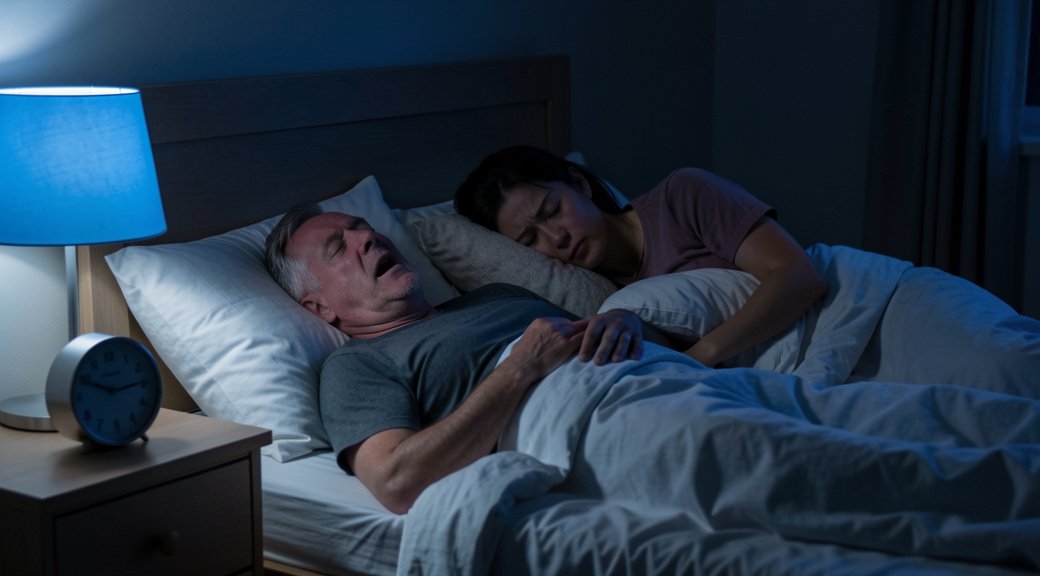
Sleep apnea is a serious sleep disorder that causes breathing to repeatedly stop and start during the night. Many people dismiss the warning signs as simple snoring or fatigue, but untreated sleep apnea can lead to significant health complications. Recognizing the sleep apnea signs and symptoms early is critical for getting the right diagnosis and treatment. This article explores the most common indicators, the health risks of ignoring them, and what you can do to address the condition effectively.
What Is Sleep Apnea and Why Does It Matter?
Sleep apnea occurs when the muscles in the back of the throat relax excessively during sleep, causing the airway to narrow or close completely. This interruption in breathing can last for ten seconds or longer, sometimes happening hundreds of times per night. Each time breathing stops, the brain briefly wakes you to restart breathing, which fragments your sleep cycle. This disruption prevents you from reaching deep, restorative stages of sleep.
The condition is more than just a sleep disturbance. Chronic sleep apnea increases the risk of high blood pressure, heart disease, stroke, type 2 diabetes, and depression. It also contributes to daytime drowsiness, which raises the likelihood of motor vehicle accidents and workplace errors. Because the symptoms often develop gradually, many individuals live with the condition for years without realizing it.
The Most Common Sleep Apnea Signs and Symptoms
Identifying the condition starts with understanding its hallmark features. While not everyone experiences every symptom, the following indicators are strongly associated with sleep apnea. If you or your bed partner notice several of these, it is worth discussing with a healthcare provider.
Loud, Persistent Snoring
Snoring is often the most recognizable sign of sleep apnea, but not all snorers have the disorder. The snoring associated with sleep apnea tends to be loud, disruptive, and punctuated by pauses in breathing. A bed partner may notice that the snoring stops suddenly, followed by a choking or gasping sound as breathing resumes. This pattern is distinct from simple snoring, which is usually steady and uninterrupted.
Observed Breathing Pauses
One of the most telling sleep apnea signs and symptoms is when someone actually witnesses you stop breathing during sleep. This can be alarming for a partner or family member. The pauses may last from a few seconds to over a minute, and they often occur multiple times per hour. After the pause, the person may gasp, snort, or make a choking sound as the body forces the airway open again.
Excessive Daytime Sleepiness
Because sleep apnea repeatedly interrupts deep sleep, individuals often wake up feeling unrefreshed regardless of how many hours they spent in bed. This leads to significant daytime drowsiness. You might find yourself struggling to stay awake during meetings, while reading, or even while driving. This fatigue can affect concentration, memory, and overall cognitive performance.
Morning Headaches and Dry Mouth
Waking up with a headache is a common but overlooked symptom. The repeated drops in oxygen levels during the night can cause blood vessels in the brain to dilate, leading to morning headaches. Additionally, many people with sleep apnea breathe through their mouth during the night due to airway obstruction, resulting in a dry or sore throat upon waking.
Mood Changes and Irritability
Chronic sleep deprivation takes a toll on emotional regulation. Individuals with untreated sleep apnea often report increased irritability, anxiety, or depression. The constant fatigue makes it harder to handle daily stressors, and the lack of restorative sleep can disrupt the brain’s ability to process emotions effectively.
Lesser-Known Signs You Should Not Ignore
Beyond the classic symptoms, sleep apnea can manifest in subtler ways that are easy to attribute to other causes. Recognizing these can help catch the condition earlier.
- Frequent nighttime urination (nocturia): The body may produce more urine when sleep is fragmented, leading to multiple trips to the bathroom.
- Sexual dysfunction: Sleep apnea has been linked to reduced libido and erectile dysfunction in men, likely due to the cardiovascular strain and hormonal changes.
- Night sweats: The body works harder to breathe during apnea events, which can trigger sweating even in a cool room.
- Difficulty concentrating: Brain fog and forgetfulness are common, as the brain does not get enough oxygen and restorative sleep.
These signs often overlap with other conditions, which is why a proper evaluation is essential. If you experience any combination of these symptoms along with snoring or daytime fatigue, it is worth exploring further.
Risk Factors and When to Seek Help
Certain factors increase the likelihood of developing sleep apnea. Excess body weight is a primary risk factor, as fat deposits around the upper airway can obstruct breathing. However, the condition can also affect individuals who are at a healthy weight. Other risk factors include a large neck circumference, a narrow airway, family history of sleep apnea, smoking, and nasal congestion due to allergies or structural issues.
If you recognize several of the sleep apnea signs and symptoms in yourself or a loved one, the next step is to consult a healthcare professional. Many people hesitate because they think snoring is harmless or that daytime sleepiness is just part of a busy life. But ignoring the signs can allow the condition to worsen over time. A doctor can conduct a sleep study, either in a lab or with a home-based device, to confirm the diagnosis and assess its severity.
How Sleep Apnea Is Diagnosed and Treated
Diagnosis typically involves an overnight sleep study called polysomnography. This test records brain waves, oxygen levels, heart rate, breathing patterns, and body movements during sleep. Home sleep apnea tests are also available and can be a convenient option for many individuals. Once diagnosed, treatment focuses on keeping the airway open during sleep.
The most common and effective treatment is continuous positive airway pressure (CPAP) therapy. A CPAP machine delivers a steady stream of air through a mask to keep the airway open. While some people find the mask uncomfortable at first, modern devices are quieter and more comfortable than older models. Alternatives include oral appliances that reposition the jaw, lifestyle changes like weight loss and positional therapy, and in some cases, surgery to remove excess tissue or correct structural issues.
For individuals looking to manage their health more proactively, understanding how sleep apnea interacts with other conditions is valuable. For instance, sleep apnea can affect hormone regulation, which may contribute to issues like fatigue and weight gain. In our guide on hormonal imbalance symptoms in women, we explain how sleep disturbances can mimic or worsen hormonal changes.
The Link Between Sleep Apnea and Overall Health
Untreated sleep apnea does not just affect sleep quality; it places a cumulative strain on the cardiovascular system. Each time breathing stops, oxygen levels drop and the heart has to work harder to circulate blood. Over time, this can lead to hypertension, atrial fibrillation, heart failure, and an increased risk of stroke. The condition is also associated with insulin resistance, making it harder to manage blood sugar levels.
Because these health risks are serious, addressing sleep apnea is an investment in long-term wellness. Treatment often leads to noticeable improvements in energy, mood, and cognitive function within weeks. Many people report feeling like a different person once they begin using CPAP therapy or other interventions.
Practical Steps to Take Today
If you suspect you have sleep apnea, there are several actions you can take while waiting for a medical evaluation. First, keep a sleep diary for two weeks, noting how many hours you sleep, how often you wake up, and how you feel in the morning. Ask your bed partner to record any snoring or breathing pauses. Second, evaluate your sleep environment. Elevating the head of your bed, sleeping on your side, and using a humidifier can sometimes reduce mild symptoms. Third, consider lifestyle adjustments such as losing weight if you are overweight, avoiding alcohol before bed, and quitting smoking. These changes can reduce the severity of sleep apnea and improve overall sleep quality.
Telemedicine offers a convenient way to discuss your symptoms with a licensed healthcare provider without leaving home. Platforms like DoctorsHome allow you to complete an online assessment and speak with a doctor about your concerns. They can guide you on whether a sleep study is appropriate and help coordinate care, including prescriptions for related issues if needed.
Recognizing sleep apnea signs and symptoms is the first step toward better sleep and better health. The condition is common, treatable, and ignoring it can have serious consequences. Whether you are the one experiencing symptoms or you are concerned about a partner, taking action can dramatically improve quality of life. With the right diagnosis and treatment, restful nights and alert days are within reach.
About the Author: Daniel Brooks





Sign up for our newsletter and Save 20% on Test Kits
"*" indicates required fields