

Same-Day Online Doctor Visit: How Virtual Urgent Care Works
Same-Day Online Doctor Visit: How Virtual Urgent Care Works
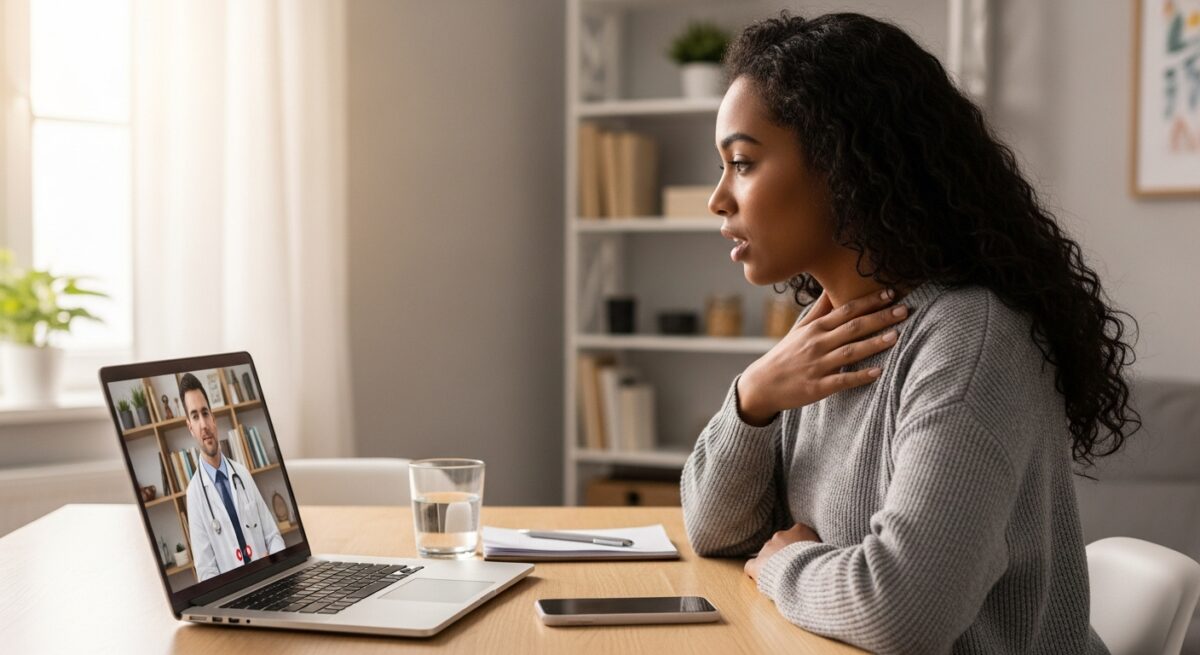
You wake up with a sore throat, a suspicious rash, or a nagging cough that won’t quit. In the past, your options were limited: wait days for a primary care appointment, spend hours in a crowded urgent care waiting room, or ignore the problem and hope it goes away. Today, a new standard of immediate care has emerged, transforming how we access medical advice. A same-day online doctor visit connects you with a licensed healthcare provider from your home, office, or anywhere with an internet connection, often within minutes. This model of virtual urgent care is not just a convenient alternative, it is a fundamental shift toward patient-centered, accessible, and efficient healthcare delivery. By leveraging secure video, phone, or chat platforms, these consultations provide timely assessment, diagnosis, and treatment for a wide range of non-emergency conditions, effectively bridging the gap between need and access.
The Mechanics of a Same-Day Virtual Appointment
Understanding how a same-day online doctor visit functions demystifies the process and sets realistic expectations. The journey typically begins on a telemedicine platform’s website or mobile app. Patients are guided to create a secure account, input their basic medical history, and describe their current symptoms. This pre-visit information gathering is crucial, as it allows the provider to prepare for the consultation. From there, scheduling is remarkably flexible. Many platforms offer an on-demand queue where you can see the next available provider, or you may select a specific time slot that fits your schedule, all with the assurance of being seen that same day.
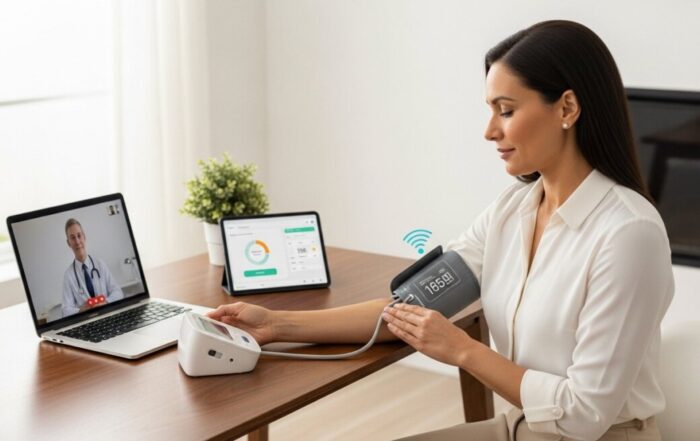
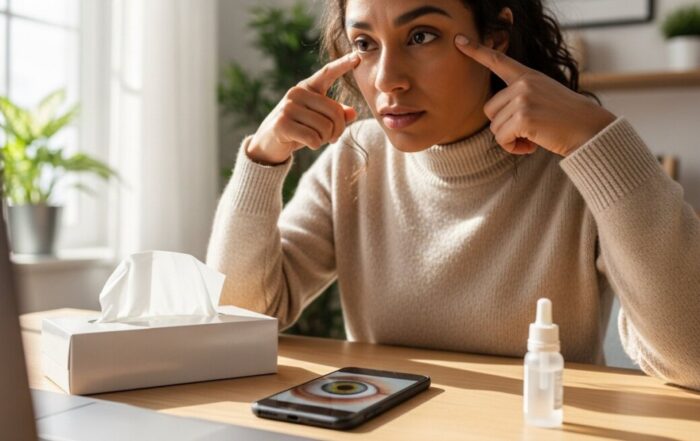
When your appointment time arrives, you join a secure, HIPAA-compliant video call. The consultation mirrors an in-person visit in many ways: the provider will discuss your symptoms, review your medical history, and may perform a visual examination. For conditions like rashes, skin issues, or throat complaints, the video feed itself becomes a diagnostic tool. The provider can ask you to check your own vital signs, such as temperature or heart rate, if relevant. The interaction is a collaborative conversation aimed at reaching a diagnosis. If the provider determines a prescription is medically appropriate, they can electronically send it to your pharmacy of choice. For more complex issues that require hands-on examination or testing, the provider will clearly advise on the next steps, such as visiting a lab or an in-person clinic.
Conditions Ideal for Online Urgent Care
Telemedicine excels in managing acute, non-life-threatening conditions that are straightforward to diagnose via patient history and visual assessment. This scope of practice is carefully defined to ensure patient safety and effective care. Knowing what a same-day online doctor visit can treat helps you make an informed decision about when to use this service.
Common conditions perfectly suited for a virtual urgent care visit include upper respiratory infections like colds, sinus infections, and bronchitis, urinary tract infections (UTIs), allergies and related symptoms, skin conditions such as rashes, acne, eczema, and minor infections, pink eye (conjunctivitis), and digestive issues like heartburn, nausea, or diarrhea. Additionally, providers can offer guidance on medication refills for chronic stable conditions, mental health concerns like anxiety and depression for follow-up or initial consultation, and minor injuries like sprains or strains that do not require imaging. It is equally important to recognize when to seek in-person or emergency care. Severe chest pain, difficulty breathing, signs of stroke, major trauma, broken bones, severe abdominal pain, and high fever in very young infants are all situations where you should call 911 or go directly to an emergency department. A responsible telemedicine provider will always err on the side of caution and direct you to appropriate in-person care when necessary.
Tangible Benefits for Patients and the Healthcare System
The advantages of accessing an online doctor visit same day extend far beyond simple convenience. For the individual patient, the benefits are immediate and multifaceted. The most obvious is time savings, eliminating commutes, waiting rooms, and time off work. This is particularly valuable for parents, caregivers, and those with demanding schedules. Access is dramatically improved for individuals in rural areas, those with mobility challenges, or people without reliable transportation. There is also a significant reduction in exposure to other contagious illnesses commonly found in waiting rooms. From a financial perspective, virtual visits often have lower copays than in-person urgent care or ER visits, and they prevent lost wages from taking half a day off for a brief appointment.
On a systemic level, telemedicine alleviates strain on overcrowded emergency rooms and urgent care centers, allowing them to focus on true emergencies. It improves healthcare efficiency by matching provider supply with patient demand across geographic boundaries. This model also promotes continuity of care, as many platforms allow you to see the same provider for follow-ups, and they can easily share records with your primary care physician with your consent. The environmental impact of reduced travel is another often-overlooked benefit, contributing to a lower carbon footprint for routine healthcare.
Preparing for Your Virtual Consultation
To ensure your same-day online doctor visit is as productive as possible, a small amount of preparation is key. First, test your technology. Ensure your device (computer, tablet, or smartphone) has a working camera, microphone, and speaker, and that your internet connection is stable. Find a quiet, private, and well-lit space for your consultation. Good lighting, especially on your face, helps the provider see you clearly. Have relevant information readily available: a list of your current medications and dosages, any known allergies, your pharmacy’s name and address, and your insurance card if required. It is also helpful to write down a brief timeline of your symptoms: when they started, what makes them better or worse, and what you have tried so far. For a skin condition, ensure the affected area is clean and visible. For more detailed guidance on what to expect and how to prepare, our resource on getting a same-day online doctor visit for urgent care provides a thorough walkthrough.
During the visit, communicate openly and honestly. Describe your symptoms in detail. Do not minimize your concerns, but also avoid exaggerating. Answer the provider’s questions to the best of your ability. Remember, they are relying on your description to form a clinical picture. Feel empowered to ask your own questions about the diagnosis, treatment plan, potential side effects of any prescribed medication, and when you should follow up or seek further care.
Insurance, Costs, and Platform Selection
Navigating the financial and practical aspects of telemedicine is straightforward once you know what to look for. Insurance coverage for online doctor visits has expanded rapidly. Most major private insurers, Medicare, and many Medicaid plans now cover telehealth services. However, coverage details can vary. Some plans treat it like a standard office visit with a copay, while others may have a separate telehealth copay structure. It is always advisable to check with your insurance provider to understand your specific benefits, including any network restrictions for telehealth providers.
For those without insurance or preferring to pay directly, many telemedicine platforms offer transparent, affordable self-pay rates. These flat fees are often comparable to or less than an urgent care copay. When selecting a platform, consider the following key factors:
- Licensing and Credentials: Ensure the platform employs licensed, board-certified physicians, nurse practitioners, or physician assistants who are authorized to practice in your state.
- Technology and Security: The platform should use HIPAA-compliant, secure video and messaging technology to protect your privacy.
- Scope of Service: Confirm the platform treats the condition you are concerned about and can prescribe medications if needed (within regulatory limits).
- User Experience: Look for an intuitive interface, easy scheduling, and reliable customer support.
- Integration: Some platforms offer integrated services like electronic prescriptions sent directly to your pharmacy or coordination with at-home testing kits for a more comprehensive care cycle.
Platforms like Doctors Home exemplify this integrated approach, focusing on providing accessible, condition-specific care through a secure digital channel.
Addressing Common Questions and Concerns
Despite its growing popularity, patients often have specific questions about the legitimacy and limitations of virtual care.
Are online prescriptions legitimate?
Yes, when issued by a licensed provider following a bona fide patient-provider relationship established during a consultation, online prescriptions are fully legitimate and can be sent electronically to any licensed pharmacy. However, providers are bound by strict federal and state laws. They cannot prescribe controlled substances (like most opioids, ADHD medications) via a purely telehealth encounter in most cases, and they will not prescribe antibiotics or other medications without a clinically appropriate reason.
Can I use telemedicine for ongoing chronic conditions?
Telemedicine is excellent for follow-up and management of stable chronic conditions like hypertension, diabetes, or thyroid disorders. It allows for convenient medication management and lifestyle counseling. However, initial diagnosis of a complex chronic condition often requires in-person testing and examination. A hybrid model, using telemedicine for routine check-ins and in-person visits for annual physicals and necessary labs, is becoming a standard and effective care strategy.
What about lab tests or imaging?
If your virtual provider believes lab work or imaging (like an X-ray) is necessary, they can order it for you. You will then go to a local lab or imaging center to have the test performed. The results are sent back to the provider, who can then discuss them with you in a follow-up virtual visit, creating a seamless care loop without multiple office visits.
Frequently Asked Questions
How fast can I really see a doctor online? On most dedicated platforms, you can connect with a provider in 15 minutes or less during operating hours. It is often faster than driving to a clinic.
Is the quality of care lower online? For appropriate conditions, studies show the quality of care and clinical outcomes are equivalent to in-person visits. The diagnostic accuracy for many common conditions is very high when conducted by an experienced telehealth provider.
Can I get a doctor’s note for work or school from a virtual visit? Absolutely. If the provider determines your condition warrants time off, they can provide a digital doctor’s note or excuse just as an in-person clinic would.
What technology do I need? You need a smartphone, tablet, or computer with a camera, microphone, and a reliable internet connection. Most platforms work through a web browser or a simple app.
Are there age restrictions for telemedicine? Policies vary by platform. Many treat patients of all ages, but a parent or guardian must typically be present and consent for patients under 18 (or the age of majority in their state).
The ability to schedule a same-day online doctor visit represents more than technological novelty, it signifies a maturation of healthcare toward true accessibility. It places timely medical expertise directly into the patient’s environment, reducing barriers and empowering individuals to take proactive steps for their health. While not a replacement for all in-person medical relationships, virtual urgent care has firmly established itself as an essential, reliable, and patient-first component of a modern healthcare ecosystem. For non-emergency ailments, it offers a sensible, efficient, and effective first line of defense.
About the Author: Olivia Bennett


Sign up for our newsletter and Save 20% on Test Kits
"*" indicates required fields