
Remote Therapy Sessions: A Modern Guide to Accessible Mental Health
Remote Therapy Sessions: A Modern Guide to Accessible Mental Health

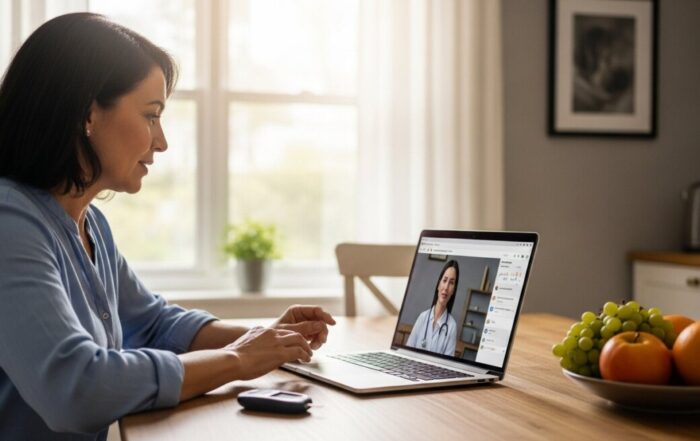
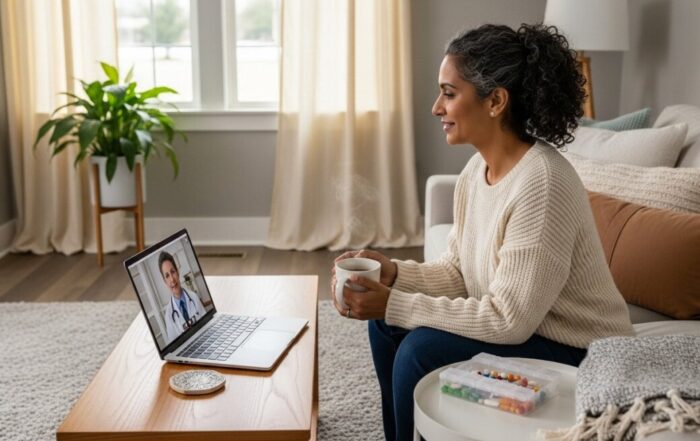
Imagine connecting with a licensed therapist from the comfort of your living room, or fitting a counseling session into a lunch break without a commute. This is the reality of remote therapy sessions, a transformative approach to mental health care that leverages video calls, phone calls, and secure messaging to deliver professional support. Once a niche offering, teletherapy has become a mainstream, effective, and often preferred method for millions seeking to improve their well-being. It dismantles traditional barriers like geography, mobility limitations, and packed schedules, creating a new paradigm for accessible, consistent, and personalized mental health treatment.
The Core Benefits of Choosing Remote Therapy
The advantages of remote therapy sessions extend far beyond simple convenience. For many, these benefits make the critical difference between accessing care and going without. The most significant impact is on accessibility. Individuals in rural areas, those with physical disabilities or chronic illnesses, and parents with young children can now connect with specialists who were previously out of reach. This geographical freedom also means you can choose a therapist based on their expertise and your personal fit, not their proximity to your zip code.
Consistency is another cornerstone benefit. Life’s unpredictability, bad weather, or a minor illness often led to canceled in-person appointments. Remote therapy dramatically reduces no-shows and last-minute cancellations, fostering a steady therapeutic rhythm that is crucial for progress. Furthermore, the comfort of being in your own safe space can lower initial anxiety about therapy, allowing some clients to open up more quickly and honestly than they might in a traditional office setting. To summarize, the key benefits include:
- Unprecedented access to specialists regardless of location.
- Elimination of travel time and associated costs (transportation, parking).
- Greater scheduling flexibility, including early morning, evening, or weekend slots.
- Enhanced comfort and reduced anxiety by participating from a familiar environment.
- Improved consistency of care, leading to better long-term outcomes.
This model also promotes patient empowerment. Clients actively manage their care environment and logistics, which can foster a stronger sense of agency in their healing journey. The digital nature of the interaction often encourages the use of supplementary tools, such as shared digital journals or resource links, integrated seamlessly into the process.
How Effective is Teletherapy Compared to In-Person Care?
A foundational question for anyone considering this option is about efficacy. Robust research conducted over the past decade, including numerous meta-analyses and randomized controlled trials, provides a clear answer: for a wide range of common mental health concerns, remote therapy sessions are just as effective as face-to-face therapy. This holds true for modalities like Cognitive Behavioral Therapy (CBT), dialectical behavior therapy (DBT), and interpersonal therapy used to treat depression, anxiety disorders, PTSD, and more.
The therapeutic alliance, the collaborative bond between client and therapist, is the strongest predictor of successful outcomes. Studies confirm that a strong alliance can be developed and maintained through video platforms. The core mechanisms of change, such as gaining insight, learning new skills, and feeling heard and understood, function identically. For some conditions, like specific phobias, therapists can even use the remote format advantageously by guiding exposure exercises within the client’s actual environment. It is important to note that teletherapy may not be suitable for individuals in acute crisis, those with severe psychotic disorders, or people without a private, safe space to connect. A qualified therapist will conduct an initial assessment to ensure remote care is an appropriate fit.
Preparing for Your First Online Session
Success in remote therapy begins with thoughtful preparation. Treating your session with the same seriousness as an in-office visit sets the stage for a productive experience. Start by selecting a private, quiet location where you will not be overheard or interrupted. Inform housemates or family members of your appointment. Test your technology well in advance: ensure your device (computer, tablet, or phone) is charged, your internet connection is stable, and you understand how to use the platform’s features, such as mute, video, and screen sharing.
Consider your physical setup. Position your camera at eye level to create a natural sightline. Check your lighting so your face is clearly visible, avoiding strong backlighting from a window behind you. Have a box of tissues, a glass of water, and any notes you want to reference nearby. Dressing as you would for an in-person appointment can psychologically prepare you to engage fully. Finally, log in a few minutes early to settle in, take a few deep breaths, and be ready to start on time. This proactive approach minimizes technical distractions and allows you to focus entirely on the therapeutic work.
Navigating Insurance, Privacy, and Finding a Provider
The practicalities of starting remote therapy involve a few key steps. Insurance coverage has improved dramatically, especially following policy changes during the public health emergency. Many major insurers now cover teletherapy similarly to in-person visits. However, you must verify your specific plan’s details: check for telemental health benefits, any applicable copays, and whether you need a referral. Always confirm that the therapist you select is both licensed in your state and within your insurance network.
Privacy and security are paramount. Reputable therapists use HIPAA-compliant, encrypted video platforms designed for healthcare (such as doxy.me, SimplePractice, or Theranest). Avoid using consumer-grade apps like standard Skype or FaceTime for sessions unless specifically approved by your provider under certain guidelines. Your therapist should explain their confidentiality protocols and what to do in case of a technical disruption. Finding a provider starts with specialized directories. Consider using the following resources:
- Psychology Today’s therapist directory, which has robust filters for “video therapy.”
- Your health insurance provider’s online search tool.
- Dedicated teletherapy platforms like Talkspace or BetterHelp (note these are often direct-pay subscription services).
- Referrals from your primary care physician or local mental health organizations.
When you contact a potential therapist, ask direct questions about their experience with remote delivery, their preferred platform, and their approach to building rapport online. This due diligence ensures you find a qualified professional whose methods align with your needs.
Maximizing Your Progress in a Digital Format
To get the most out of your remote therapy sessions, embrace the unique opportunities of the format. Use the convenience to schedule sessions at a time when you are most alert and receptive, not just when you can squeeze it in. Between sessions, leverage digital tools your therapist might recommend, like mood-tracking apps or skill-building worksheets, which can be easily shared and discussed on screen. The “share screen” function can be powerful for reviewing materials together in real time.
Be an active communicator about the medium itself. If you feel a connection issue is hindering the flow, speak up. If you would benefit from a different camera angle or a switch to phone audio for a portion of the session, suggest it. Your therapist is your partner in making the remote environment work. Finally, honor the process by creating a post-session ritual. Instead of immediately jumping back into work or chores, take a few minutes to journal, reflect, or simply decompress, allowing the insights from your session to settle.
Frequently Asked Questions About Remote Therapy
Is remote therapy as confidential as in-person therapy? Yes, when conducted through a HIPAA-compliant platform. Therapists are ethically and legally bound to protect your privacy. They should use encrypted software and conduct sessions from a private room. You are responsible for ensuring your own location is private.
What if I have a poor internet connection during a session? Have a backup plan with your therapist, such as switching to a phone call. Discuss this protocol at your first meeting. Most therapeutic work can continue via audio alone if necessary.
Can I use my phone for therapy sessions? Absolutely. Many therapy platforms have excellent mobile apps. Ensure you have a stand to keep the phone steady and use headphones for better audio privacy and quality.
Are remote therapy sessions cheaper than in-person therapy? Not always, but they can reduce ancillary costs like travel and time off work. Many therapists charge the same rate for remote and in-person sessions, and insurance copays are typically identical.
How do I know if remote therapy is right for me? It is well-suited for individuals with reliable technology, a private space, and conditions like anxiety, depression, or stress. It may be less suitable for those in immediate crisis, experiencing active psychosis, or without a safe, private location. A consultation call can help determine fit.
Remote therapy sessions represent a significant and lasting evolution in mental health care delivery. By prioritizing accessibility, flexibility, and evidence-based practice, they offer a powerful pathway to well-being for a diverse population. As technology and clinical practices continue to integrate, the potential for personalized, effective, and far-reaching support only grows. The decision to begin therapy is a courageous step toward self-care, and now, more than ever, that step can be taken from wherever you are.
About the Author: Natalie Carter



Sign up for our newsletter and Save 20% on Test Kits
"*" indicates required fields