

Remote Medical Diagnosis: How Virtual Care Is Transforming Healthcare
Remote Medical Diagnosis: How Virtual Care Is Transforming Healthcare
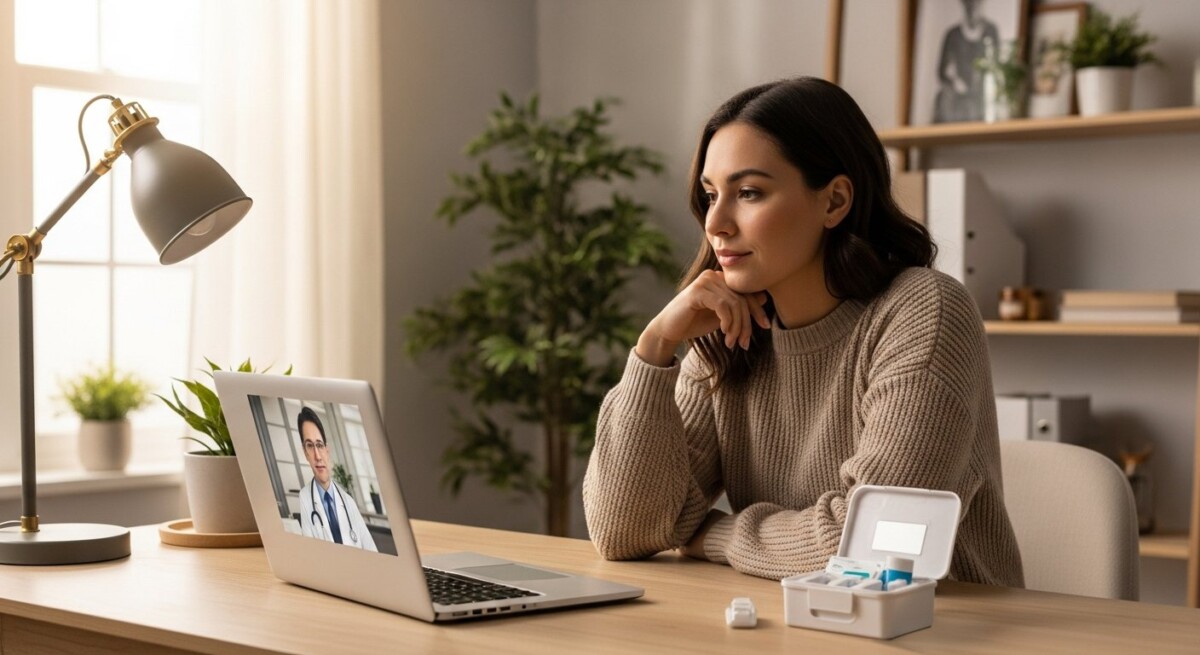
Imagine consulting with a specialist hundreds of miles away without leaving your home, receiving a preliminary assessment for a persistent rash through your smartphone, or managing a chronic condition with regular virtual check-ins. This is the reality of remote medical diagnosis, a cornerstone of modern telehealth that is fundamentally reshaping patient-provider interactions. By leveraging digital communication technologies, healthcare professionals can evaluate symptoms, diagnose conditions, and develop treatment plans for patients who are not physically present. This shift is not merely a convenience, it is a powerful response to critical challenges like geographic barriers, clinician shortages, and the need for continuous, accessible care. The integration of remote diagnostics into clinical workflows represents a significant evolution in how medicine is practiced, offering a blend of efficiency, expanded access, and patient-centered innovation that is defining the future of healthcare delivery.
The Core Technologies Powering Remote Diagnosis
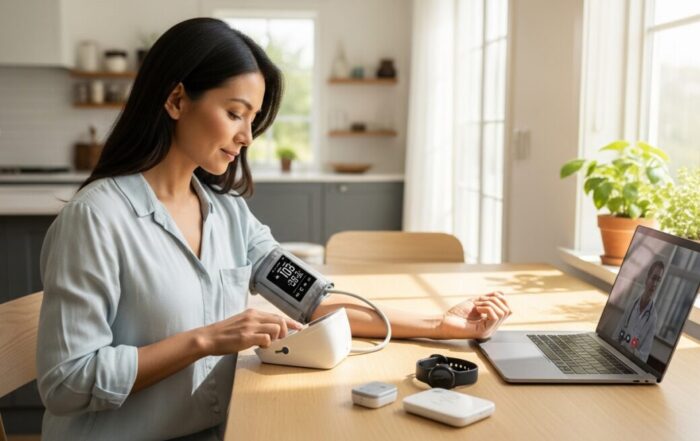
The efficacy of remote medical diagnosis hinges on a suite of interconnected technologies that create a virtual clinical environment. At its most basic level, synchronous video conferencing platforms enable real-time, face-to-face consultations that mimic an in-office visit, allowing for visual assessment and nuanced conversation. This is often supplemented by asynchronous communication, often called “store-and-forward” telemedicine, where patients upload medical images, data, or detailed histories for a provider to review at a later time. This method is particularly prevalent in fields like dermatology or radiology. Beyond the communication layer, diagnostic tools are crucial. Patients and providers now utilize connected devices, from Bluetooth-enabled blood pressure cuffs and glucose monitors to digital stethoscopes and otoscopes, which transmit clinical-grade data directly into electronic health records (EHRs). Furthermore, sophisticated artificial intelligence (AI) and machine learning algorithms are beginning to play a supportive role, analyzing medical images, identifying patterns in patient-reported data, and flagging potential issues for clinician review, thereby enhancing the accuracy and speed of remote assessments.
Clinical Applications and Patient Benefits
The application of remote diagnosis extends across a wide spectrum of medical needs, from acute minor illnesses to complex chronic disease management. For many patients, the most immediate benefit is access. Individuals in rural or underserved areas can consult with specialists without enduring long, costly travel. Those with mobility challenges or transportation difficulties find virtual doors a lifeline. The model also proves highly effective for follow-up visits, medication management discussions, and reviewing lab results, where a physical exam may be unnecessary. In mental health, remote therapy sessions have become a mainstream and effective modality for delivering continuous care. The benefits for patients are substantial and multifaceted.
- Enhanced Accessibility: Breaks down geographic and physical barriers to care, connecting patients with the right provider regardless of location.
- Convenience and Time Savings: Eliminates travel and waiting room time, allowing care to fit more seamlessly into daily life.
- Improved Chronic Disease Management: Enables more frequent and convenient monitoring of conditions like diabetes, hypertension, and heart failure, leading to better outcomes.
- Reduced Exposure to Illness: Minimizes the risk of contracting or spreading infectious diseases in clinical settings, a key consideration for immunocompromised individuals.
- Potential for Lower Costs: Can reduce direct costs like travel and often has lower visit co-pays, while also minimizing indirect costs from missed work.
For healthcare systems, remote diagnosis can improve operational efficiency by reducing no-show rates, optimizing clinician schedules, and allowing providers to manage a broader panel of patients within their licensed regions. It facilitates a shift towards more proactive and preventive care models, as continuous monitoring can identify issues before they require emergency intervention.
Navigating Limitations and Ensuring Quality Care
Despite its advantages, remote medical diagnosis is not a panacea and cannot replace all in-person care. A clear understanding of its limitations is essential for safe and effective implementation. The most significant constraint is the inability to conduct a hands-on physical examination. A provider cannot palpate an abdomen, listen to heart and lung sounds with a standard stethoscope, or perform specific orthopedic maneuvers through a screen. This makes remote diagnosis less suitable for emergencies, complex multi-system complaints, or conditions where a tactile assessment is diagnostic. Diagnostic accuracy relies heavily on patient-provided information and the quality of transmitted data, which can be variable. Technical issues, such as poor internet connectivity or patient difficulty with digital tools, can also hinder the process. Furthermore, the regulatory landscape, including state licensing requirements and varying reimbursement policies from insurers, can create complexity. Ensuring equitable access is another critical challenge, as the “digital divide” can exclude those without reliable technology or broadband internet, potentially exacerbating existing health disparities. Therefore, the most sustainable model is often a hybrid care approach, where remote and in-person visits are strategically integrated based on clinical appropriateness.
The Diagnostic Process in a Virtual Setting
Understanding what to expect can help patients prepare for and maximize the value of a remote diagnostic session. The process is structured yet adapted for the virtual medium. It typically begins with pre-visit preparation, where patients may be asked to complete intake forms, log symptoms, or upload relevant medical history and previous test results into a secure patient portal. During the consultation, the provider will conduct a detailed interview, much like in an office, asking about the history of the present illness, past medical history, medications, and other relevant factors. The visual component is key, the provider may ask the patient to move the camera to show a specific body part, demonstrate range of motion, or use a consumer device to aid visualization. For a deeper look at structuring effective virtual interactions, particularly in behavioral health, our resource on remote therapy sessions outlines valuable frameworks for engagement. If the patient has connected health devices, the provider will review the transmitted data. Based on this collected information, the provider will formulate a clinical impression or diagnosis. This may lead to several outcomes: prescribing medication electronically, ordering lab tests or imaging at a local facility, recommending at-home care, or scheduling an in-person follow-up for a necessary hands-on examination. Clear communication of the next steps and a plan for follow-up are hallmarks of a successful remote diagnostic encounter.
Frequently Asked Questions
Is a remote diagnosis as accurate as an in-person one?
For many conditions, especially those that are routine, follow-up, or based primarily on history and visual inspection, remote diagnosis can be equally accurate. Its accuracy depends on the condition, the quality of information and technology used, and the clinician’s skill in virtual assessment. For issues requiring a physical exam, an in-person visit is superior.
What conditions are best suited for remote diagnosis?
Common conditions include sinus infections, urinary tract infections, skin rashes (like eczema or psoriasis), pink eye, mental health consultations, medication reviews for chronic diseases, and follow-ups for stable conditions like hypertension or diabetes.
What equipment do I need for a remote diagnosis appointment?
You will need a smartphone, tablet, or computer with a camera and microphone, a reliable high-speed internet connection, and a private, well-lit space. Some visits may benefit from a simple at-home medical kit (thermometer, blood pressure monitor) if recommended by your provider.
How is patient privacy protected during telemedicine visits?
Reputable providers use HIPAA-compliant, encrypted video platforms and secure patient portals for communication and data transfer. You should ensure your own network is secure (avoid public Wi-Fi) and participate from a private location.
Will my insurance cover remote medical diagnosis?
Coverage has expanded significantly, but it varies by insurer and plan. Most private insurers and Medicare now cover many forms of telehealth. It is always advisable to check with your insurance provider beforehand to understand your specific benefits, co-pays, and any restrictions.
The integration of remote medical diagnosis into mainstream healthcare is an irreversible and positive trend. It represents a move towards a more flexible, accessible, and patient-empowered system. While it does not replace the fundamental need for physical examination and hands-on care, it serves as a powerful complementary tool that can triage, manage, and monitor a vast array of health concerns. The future lies in a blended, hybrid model where technology extends the reach and continuity of care, ensuring that the right care is delivered in the right way at the right time. As technology advances and regulatory frameworks adapt, remote diagnosis will continue to evolve, becoming an even more seamless and sophisticated component of our healthcare journey.
About the Author: Emily Rodriguez




Sign up for our newsletter and Save 20% on Test Kits
"*" indicates required fields