
Remote Counseling Services: Accessing Therapy from Anywhere
Remote Counseling Services: Accessing Therapy from Anywhere

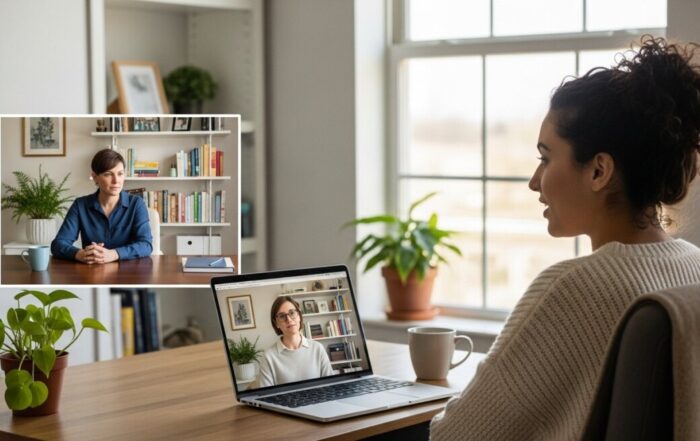
Imagine seeking support for anxiety, depression, or life’s challenges without the added stress of commuting, scheduling around traffic, or sitting in a waiting room. This is the fundamental promise of remote counseling services, a transformative shift in mental health care delivery that leverages technology to connect individuals with licensed therapists and counselors through video, phone, or text. Once a niche offering, virtual therapy has become a mainstream, evidence-based option, breaking down traditional barriers to access and offering a flexible, private, and often more affordable path to well-being. For many, the comfort and convenience of engaging in therapy from a familiar, safe space can lead to more open and productive sessions, making consistent care a realistic part of a busy modern life.
The Evolution and Effectiveness of Virtual Therapy
The rapid adoption of telehealth, accelerated by global events, has provided a robust dataset confirming what many clinicians and clients already suspected: remote counseling is effective. Numerous peer-reviewed studies have shown that outcomes for conditions like depression, anxiety, and post-traumatic stress disorder (PTSD) are comparable to those achieved through traditional, in-person therapy. The therapeutic alliance, that crucial bond between client and therapist, can be successfully established and maintained through a screen. This efficacy is rooted in the core principles of counseling remaining unchanged; the medium of communication is simply different. Platforms have evolved to incorporate secure, HIPAA-compliant video conferencing tools that prioritize patient privacy and data security, ensuring confidential conversations remain just that. This validation by the clinical community has led to widespread acceptance by insurance providers and a permanent place for remote options in the continuum of care.
Key Benefits of Choosing Remote Counseling
The advantages of remote counseling services extend far beyond simple convenience. They address systemic and personal hurdles that have historically prevented people from seeking help. The most significant benefit is dramatically improved access. Individuals in rural or underserved areas, where mental health professionals may be scarce, can now connect with a broader pool of therapists without geographic constraints. Those with physical disabilities, chronic illnesses, or transportation challenges find virtual sessions eliminate a major logistical burden. Furthermore, the flexibility to schedule sessions during a lunch break, after putting children to bed, or without taking half a day off work makes consistent therapy more sustainable. This flexibility also allows for continuity of care; students can stay with their home-state therapist while at college, and professionals can maintain their therapeutic relationship even when traveling for work.
For many clients, the perceived anonymity and safety of being in their own environment lower the initial barrier to seeking help. This can be particularly impactful for individuals dealing with social anxiety, agoraphobia, or stigma concerns within their local community. The format itself can also be therapeutic; a client can practice new coping skills in the exact environment where they are needed most. To understand the full scope of accessible digital care, it’s useful to explore the various models available. For a broader look at virtual medical services, our resource on top virtual doctor services for convenient, quality care outlines different platforms and their uses.
Navigating Different Modalities and Technology
Remote counseling is not a one-size-fits-all offering. It encompasses several modalities, allowing individuals to choose the format that best suits their comfort level and needs. Synchronous video therapy is the most common and closely mimics an in-office visit, allowing for real-time verbal and non-verbal communication. Phone-based therapy offers a similar real-time connection but can feel less intimidating for some and requires less bandwidth. Asynchronous text-based therapy, conducted through secure messaging platforms, provides flexibility for those with unpredictable schedules or who prefer to process their thoughts in writing. Many therapists also offer “blended” models, combining occasional video sessions with check-in messages. The choice depends on personal preference, the nature of the concerns being addressed, and the therapeutic approach.
Preparing for a successful remote session involves a few simple steps. First, ensure you have a reliable internet connection and a private, quiet space where you will not be interrupted. Test your device’s camera, microphone, and speakers beforehand. Use headphones for better audio quality and privacy. Have a box of tissues and a glass of water nearby, just as you would in an office. Treat the session with the same respect you would an in-person appointment: be on time, be mentally present, and avoid multitasking. This preparation helps create a dedicated therapeutic space, even within your home.
Finding the Right Remote Therapist for You
The process of finding a qualified remote therapist shares similarities with finding an in-person one, with a few key differences driven by the digital landscape. Credentials remain paramount: always verify that the therapist is licensed to practice in your state. Specialization is also critical; seek out professionals with experience treating your specific concerns, whether that’s grief, relationship issues, OCD, or trauma. The digital format has given rise to large online therapy platforms that act as marketplaces, connecting clients with hundreds of licensed providers. These platforms handle billing, scheduling, and the technology platform, which can simplify the process. Alternatively, many independent therapists in private practice now offer remote sessions directly and can be found through professional directories, referrals, or a simple web search.
When evaluating options, consider the following key factors to ensure a good fit:
- Licensing and Credentials: Confirm the therapist holds an active license (e.g., LCSW, LMFT, LPCC, Psy.D.) in your state of residence.
- Specialization and Approach: Look for expertise aligned with your goals (e.g., CBT for anxiety, EMDR for trauma) and ensure their therapeutic philosophy resonates with you.
- Logistics and Cost: Understand their session fees, whether they accept your insurance, and their availability that matches your schedule.
- Technology and Platform: Inquire about the specific video platform they use (e.g., a dedicated HIPAA-compliant service) and their policies for technical difficulties.
- Initial Consultation: Most therapists offer a brief introductory call. Use this to assess your comfort level with them and the remote format.
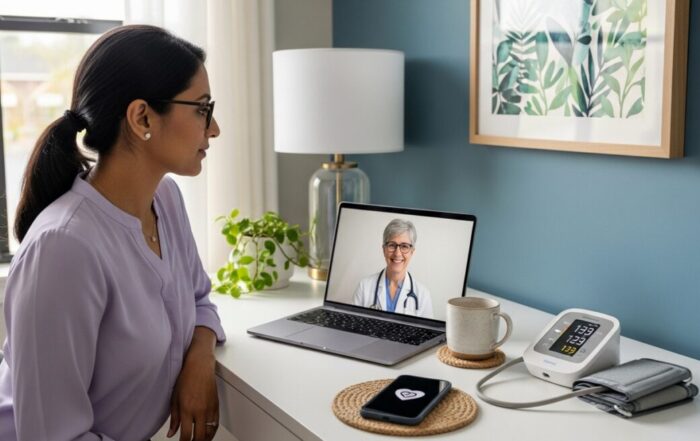
It’s worth noting that the rise of telemedicine includes advanced practice providers like psychiatric nurse practitioners who can offer medication management remotely. For more on this specific type of service, our guide to nurse practitioner telehealth services provides detailed information.
Addressing Common Concerns and Limitations
Despite its many benefits, remote counseling is not the perfect solution for every individual or situation. It is important to enter the process with realistic expectations. A primary concern for some is the potential for technological glitches: frozen screens, audio lag, or dropped calls, which can disrupt the flow of a session. While these happen, a stable internet connection and a pre-session tech check mitigate most issues. Some individuals may feel the digital interface creates a sense of distance or makes it harder to read subtle body language. Experienced remote therapists are trained to navigate this and will actively check in on the connection. Furthermore, remote counseling is generally not suitable for individuals experiencing severe, acute crises, such as active suicidal ideation, psychosis, or situations requiring immediate intervention. In these cases, in-person emergency services are necessary.
Confidentiality is another valid concern. Reputable therapists use encrypted, HIPAA-compliant platforms designed for healthcare. It is the client’s responsibility to ensure they are in a private location where conversations cannot be overheard. Finally, not all therapeutic modalities translate perfectly to a screen. Certain types of hands-on or intensive group therapies may be less effective remotely. An ethical therapist will discuss these limitations openly and help determine if remote work is appropriate for your specific needs or if a referral to in-person care is warranted.
Frequently Asked Questions About Remote Counseling
Is remote counseling as effective as face-to-face therapy?
Yes, for most common mental health concerns like depression, anxiety, and stress, research consistently shows that remote counseling produces outcomes equivalent to in-person therapy. The effectiveness hinges on the strength of the therapeutic relationship and the client’s commitment, not the physical location.
Will my insurance cover remote therapy sessions?
Coverage has expanded significantly. Most private insurance plans, Medicare, and many Medicaid programs now cover telehealth behavioral health services. However, you must verify with your specific insurance provider and ensure the therapist you choose is in-network for telehealth.
What equipment do I need to get started?
You typically need a smartphone, tablet, or computer with a reliable internet connection, a working camera, a microphone, and speakers (headphones are recommended for privacy). Most sessions are conducted via a web browser or a simple app download.
How do I handle a crisis situation during a remote session?
A responsible therapist will have a clear safety protocol. At the start of treatment, they should gather your location and an emergency contact. If a crisis arises during a remote session, they will have a plan to connect you with local emergency services or crisis hotlines.
Can I see a therapist who is licensed in a different state?
Generally, therapists must be licensed in the state where you are physically located during the session. Due to interstate licensing compacts and pandemic-era flexibilities, some therapists hold multiple state licenses, but this is not universal. Always confirm cross-state licensing is valid.
Remote counseling services represent a profound democratization of mental health support. By removing geographical, logistical, and often psychological barriers, they make professional guidance more accessible and adaptable to modern life. Whether used as a primary mode of care or as a flexible supplement to occasional in-person visits, virtual therapy is a powerful tool for fostering resilience and well-being. The journey toward mental health is deeply personal, and the option to undertake that journey from a place of your own choosing is an invaluable step forward in how we care for our minds.
About the Author: Amanda Lee



Sign up for our newsletter and Save 20% on Test Kits
"*" indicates required fields