

Recognizing Bladder Infection Symptoms and Using At-Home Tests
Recognizing Bladder Infection Symptoms and Using At-Home Tests

That sudden, urgent, and often painful need to urinate is a feeling many people, particularly women, know all too well. Bladder infections, a common type of urinary tract infection (UTI), are a frequent health nuisance that can quickly escalate from a minor discomfort to a serious health concern if left untreated. In today’s digital health landscape, understanding your symptoms and the role of at-home testing is a powerful first step toward swift, effective care. This knowledge empowers you to take control of your health from the comfort of your home, guiding you on when to use a UTI home test and when to seek immediate professional consultation through a telemedicine service like Doctors Home.
Understanding Bladder Infections and Their Common Symptoms
A bladder infection, medically known as cystitis, occurs when bacteria, most commonly E. coli from the digestive tract, enter the urethra and travel up into the bladder. Once there, they multiply in the urine, leading to inflammation and the classic symptoms of a UTI. While anyone can get a bladder infection, they are far more prevalent in women due to anatomical differences, specifically a shorter urethra that provides bacteria a shorter path to the bladder. Sexual activity, certain types of birth control, menopause, and underlying health conditions can also increase risk.
Recognizing the symptoms early is crucial for prompt treatment and to prevent the infection from spreading to the kidneys, which can become a severe medical issue. The symptoms often appear suddenly and can range from mild to severe. The most common and telltale signs include a persistent, strong urge to urinate even when the bladder is nearly empty, and a burning or stinging sensation during urination. You may also pass frequent, small amounts of urine that appear cloudy, dark, or even reddish if blood is present. The urine may develop a strong, unpleasant odor. Some people experience pelvic pressure or mild cramping in the lower abdomen or back.
The Role and Process of At-Home Bladder Infection Testing
An at home bladder infection test is a diagnostic tool designed for preliminary screening. These over-the-counter test strips work by detecting specific substances in your urine that indicate the likely presence of an infection. The two primary indicators are nitrites and leukocytes. Nitrites are produced when bacteria that cause most UTIs convert nitrates in the urine. Leukocytes, or white blood cells, are a sign that your body is fighting an infection, including a UTI. A positive result for either, or both, suggests a high probability of a bladder infection.
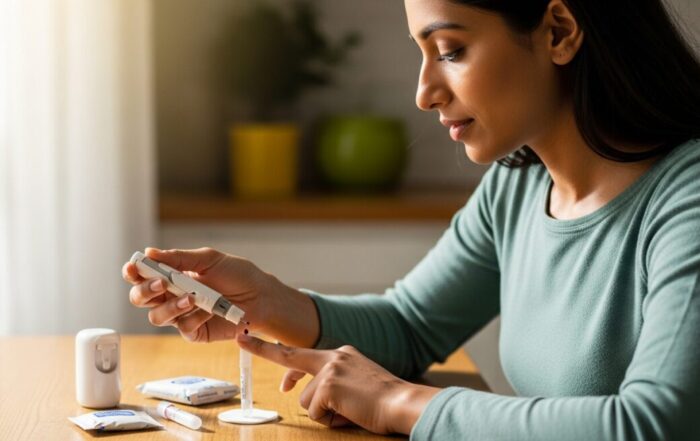
Using a UTI home test is generally straightforward. Most kits include sterile collection cups and test strips. The process involves collecting a mid-stream urine sample in a clean cup, then dipping the test strip into the sample for the specified time. After waiting the required number of seconds, you compare the color changes on the strip pads to a color chart provided with the kit. It is vital to follow the manufacturer’s instructions precisely regarding timing and reading of results, as errors can lead to false positives or negatives. These tests are a convenient way to gain quick insight, but they are not a replacement for a professional diagnosis.
What At-Home Tests Can and Cannot Tell You
It is essential to understand the limitations of home testing. A positive at-home test is a strong indicator that you should consult a healthcare provider. However, a negative test does not definitively rule out an infection, especially if you are experiencing classic symptoms. Some bacteria do not produce nitrites, or your urine may not have been in the bladder long enough for the conversion to occur. Furthermore, these strips cannot identify the specific type of bacteria causing the infection or its sensitivity to antibiotics, information critical for prescribing the correct treatment. This is where telemedicine bridges the gap, allowing you to quickly connect with a licensed professional who can interpret your symptoms and test results in a clinical context.
From Self-Testing to Professional Care: The Telemedicine Pathway
Completing an at home bladder infection test is often the first step in a modern healthcare journey. When your symptoms or test results point toward a UTI, the next logical step is to seek a professional consultation to obtain an accurate diagnosis and, if necessary, a prescription for antibiotics. This is the core value proposition of integrated digital health platforms. You can initiate a virtual visit from home, describe your symptoms, and even discuss the results of your home test with a licensed medical provider.
The provider will conduct a thorough assessment based on your reported symptoms and medical history. If they clinically diagnose a uncomplicated bladder infection, they can often prescribe appropriate antibiotic treatment electronically to your preferred pharmacy. For cases where symptoms are severe, atypical, or recurrent, the provider may recommend further steps, such as a lab-based urinalysis and culture. This process ensures antibiotic stewardship, prescribing the right drug for the specific bacteria, which is crucial for effective treatment and combating antibiotic resistance. The seamless integration of at-home testing with immediate access to professional guidance exemplifies an efficient hybrid care model that saves time, reduces stress, and accelerates the path to feeling better.
When to Test at Home and When to Seek Immediate Help
Using a home test can be appropriate for adults experiencing mild, classic UTI symptoms for the first time or for those familiar with their own recurrent infection patterns. It provides a data point to inform your decision to seek care. However, there are clear situations where you should skip the home test and contact a healthcare provider immediately, or even seek emergency care.
You should consult a doctor right away if your symptoms are severe, if you have a fever (temperature over 100.4°F or 38°C) with chills, or if you have pain in your back or sides below the ribs, which could indicate a kidney infection. Other red flags include nausea, vomiting, or if you are pregnant, have diabetes, a weakened immune system, or a history of kidney problems. For men experiencing UTI symptoms, a prompt medical consultation is always advised, as UTIs are less common in men and may signal another underlying issue.
To help you navigate the decision-making process, consider this framework based on your symptoms and risk factors:
- Consider an at-home test: Mild burning during urination, slight increase in urgency or frequency, no fever, and you are a non-pregnant adult woman with no major health conditions.
- Schedule a telemedicine visit promptly: Moderate symptoms, a positive home test result, recurrent UTI symptoms, or if you have underlying health concerns that require monitoring.
- Seek immediate medical attention (clinic or ER): High fever with chills, severe back or side pain, nausea/vomiting, confusion, or if symptoms do not improve after starting antibiotic treatment.
Frequently Asked Questions About Home UTI Tests and Symptoms
How accurate are at-home UTI tests?
At-home UTI tests are generally reliable for detecting nitrites and leukocytes, with a sensitivity and specificity often above 90% for nitrites. However, their accuracy depends on proper use and timing. They are screening tools, not definitive diagnostic instruments. A healthcare provider’s assessment is required for a confirmed diagnosis.
Can I get antibiotics based solely on a positive home test?
Reputable telemedicine services and in-person clinics will not prescribe antibiotics based solely on a home test. A licensed provider must conduct a clinical evaluation, considering your symptoms, medical history, and risk factors. They use the home test result as one piece of information within a broader assessment to make a diagnosis and prescribe appropriately, ensuring responsible antibiotic use.
What should I do if my home test is negative but I still have symptoms?
Do not ignore your symptoms. A negative home test does not rule out an infection. You should still consult a healthcare provider. They may recommend a more sensitive lab-based urinalysis or consider other conditions that can mimic UTI symptoms, such as vaginal infections, interstitial cystitis, or STIs.
Are there ways to prevent bladder infections?
Yes, several behavioral strategies can reduce risk. Stay well-hydrated to flush bacteria from your system. Urinate frequently and completely, and always wipe from front to back. Urinate soon after sexual intercourse. Some people find avoiding potentially irritating products like douches or powders helpful. For recurrent infections, a doctor may discuss other preventive strategies.
How does a telemedicine consultation for a UTI work?
On a platform like Doctors Home, you would typically complete a secure online intake form detailing your symptoms and medical history. You can then connect with a licensed provider via video, phone, or secure messaging. After discussing your symptoms and any home test results, the provider can make a clinical diagnosis. If a prescription is indicated and appropriate, it is sent electronically to a pharmacy of your choice, often within the same day. This process is similar to understanding your own health metrics, as explored in our guide on home blood type testing methods and accuracy, where knowledge empowers proactive health management.
Navigating a potential bladder infection involves listening to your body, utilizing accessible tools like at-home tests wisely, and knowing when to transition to professional care. The integration of self-testing with on-demand telemedicine creates a responsive, patient-centered pathway to wellness. By understanding your symptoms and the testing options available, you are equipped to take timely, informed action to address a bladder infection, minimizing discomfort and preventing complications from the comfort and privacy of your home.
About the Author: Natalie Carter



Sign up for our newsletter and Save 20% on Test Kits
"*" indicates required fields