

Post-Surgery Recovery Enhanced by Telemedicine Care
Post-Surgery Recovery Enhanced by Telemedicine Care
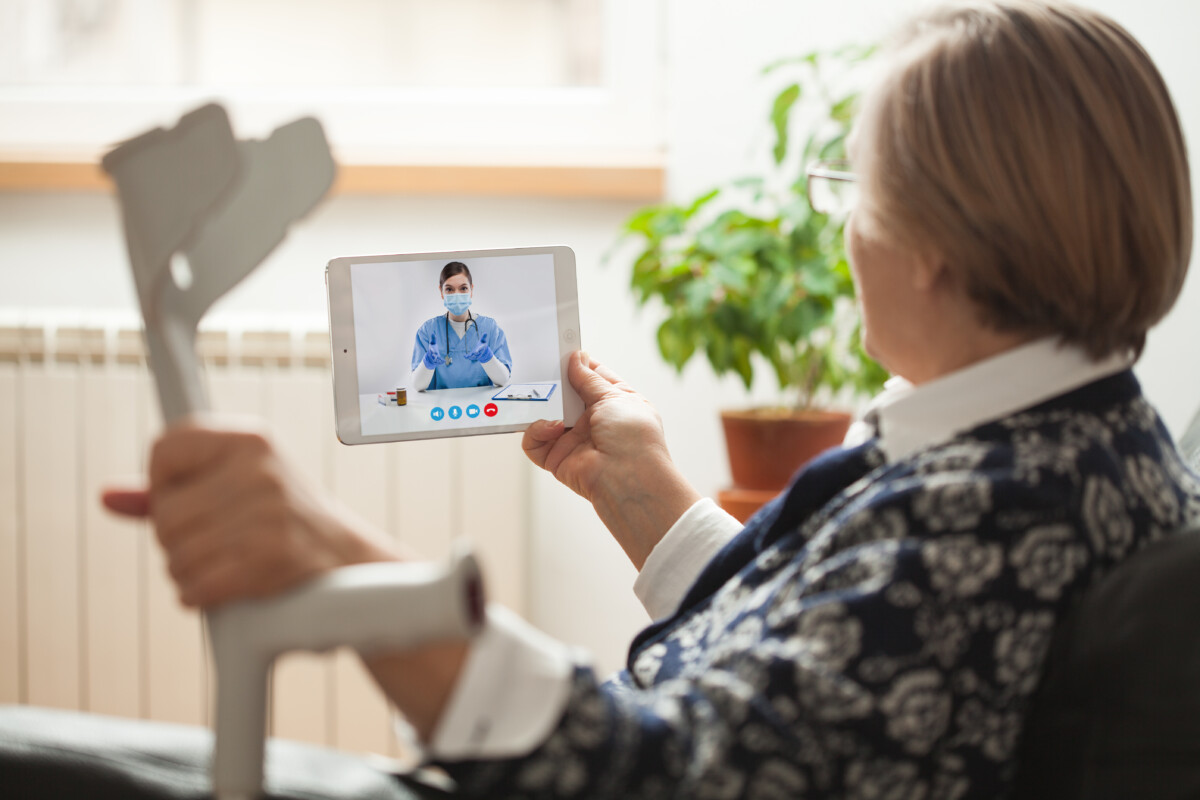
The journey to full health does not end when you leave the operating room. In fact, the post-surgical period is a critical phase where diligent monitoring, clear communication, and timely intervention can make the difference between a smooth recovery and a complicated one. Traditionally, this phase has been fraught with challenges: frequent, often exhausting trips to the clinic, difficulty recognizing warning signs at home, and the anxiety of waiting for a callback from a busy surgeon’s office. Today, telemedicine for post-surgery is fundamentally reshaping this landscape, offering a structured, accessible, and patient-centered model for recovery care that bridges the gap between hospital and home.
The Core Benefits of Virtual Post-Operative Care
Integrating telemedicine into a post-surgery care plan delivers tangible advantages for patients, caregivers, and healthcare systems. The primary benefit is enhanced accessibility. Patients, especially those in rural areas, those with mobility limitations from their surgery, or those without reliable transportation, can maintain consistent contact with their care team without the physical and logistical burden of travel. This consistent access is not merely convenient, it is clinically significant. It enables more frequent check-ins, which allows providers to monitor progress more closely and identify potential complications like infections, blood clots, or poor wound healing at their earliest, most treatable stages.
This model also promotes patient empowerment and adherence. Recovery instructions, which can be overwhelming when delivered at discharge, are reinforced during virtual visits. Patients can show their incision site via a secure video feed, ask clarifying questions in real-time, and receive immediate feedback on their activity levels or pain management strategies. This continuous dialogue reduces uncertainty and helps patients follow their care plan more accurately. Furthermore, telemedicine for post-surgery can significantly reduce the overall cost of care by minimizing unnecessary emergency department visits and readmissions, which are often triggered by minor issues that could be resolved virtually or by a lack of timely guidance.
Implementing Telemedicine in Your Recovery Plan
A successful virtual recovery program is not a replacement for all in-person care, but a complementary tool integrated into a structured plan. The process typically begins before discharge, with the surgical team outlining the telemedicine schedule and setting patient expectations. Patients are instructed on how to use the platform, what technology they will need (a smartphone, tablet, or computer with a camera), and what to prepare for each visit, such as a thermometer, blood pressure cuff if applicable, and a well-lit area to show their wound.
The structure of these virtual visits is purposeful. An initial post-discharge visit within 24-48 hours is crucial for establishing a baseline. Follow-up visits are then scheduled at key milestones aligned with the normal healing trajectory for that specific procedure. For example, a patient recovering from orthopedic surgery might have a visit at one week to assess pain control and initial mobility, and another at two weeks to review stitch removal and the progression of physical therapy exercises. This proactive, scheduled approach is far more effective than the reactive “call us if you have a problem” model. For broader access to immediate medical guidance outside scheduled surgical follow-ups, platforms like Doctors Home provide a valuable resource to connect with a 24 hour telemedicine doctor online today for non-emergent concerns.
Key Surgical Specialties Leveraging Remote Care
While the principles of post-operative monitoring are universal, the application of telemedicine is particularly impactful in certain specialties. In orthopedics, following joint replacements or fracture repairs, virtual visits are excellent for assessing range of motion, reviewing physical therapy techniques, and checking incision sites, reducing the need for patients to navigate to the clinic while on crutches or in a brace. General surgery patients, such as those who have undergone appendectomies, hernia repairs, or gallbladder removal, benefit from virtual check-ins to monitor for signs of infection, discuss diet progression, and evaluate abdominal pain without requiring a potentially painful car ride.
Plastic and reconstructive surgery also adapts well to telemedicine. Providers can meticulously monitor flap viability or graft healing through high-resolution video and photos shared securely through the platform. Even in areas like cardiology, for patients post-cardiac catheterization or device implantation, virtual visits can effectively review symptoms, discuss medication side effects, and check vital signs reported from home monitoring devices. The common thread is the ability to visually assess and verbally communicate about recovery milestones, which covers a vast majority of post-operative care needs.
Technology, Security, and Patient Preparedness
The efficacy of remote recovery hinges on appropriate technology and patient readiness. A reliable internet connection and a device with a camera and microphone are the basic requirements. Healthcare providers use HIPAA-compliant, secure video conferencing platforms designed for medical use, ensuring patient privacy and data protection. These platforms often include integrated features like secure messaging, photo upload capabilities, and electronic health record (EHR) integration, creating a seamless continuum of care documentation.
Patient education is the other critical component. Before utilizing telemedicine for post-surgery, patients should receive clear guidelines on what constitutes an emergency requiring an immediate in-person evaluation (e.g., chest pain, severe bleeding, shortness of breath) versus a concern appropriate for a virtual visit. They should also be coached on how to take clear photos of their incision or how to position their camera for an optimal exam. Providing a simple “checklist” for each virtual appointment empowers patients to be active, prepared participants in their own recovery.
Addressing Limitations and Ensuring Safety
It is essential to acknowledge the boundaries of virtual care. Telemedicine cannot perform hands-on physical examinations, such as palpating the abdomen for rigidity, assessing deep tissue swelling, or changing complex wound dressings that require sterile technique. It cannot replace necessary in-person diagnostics like X-rays or blood draws. Therefore, a hybrid model is often the gold standard. The care plan must explicitly define which milestones require an in-person visit and which can be accomplished virtually.
The safety of this model depends on appropriate patient selection and clinical judgment. Surgeons must decide if a patient’s specific case, comorbidities, and home support system make them a good candidate for a telemedicine-enhanced recovery pathway. Clear protocols for escalating a virtual concern to an in-person visit are mandatory. This blended approach ensures that the convenience of telemedicine does not compromise clinical outcomes, but rather, enhances them through more frequent touchpoints and vigilant monitoring. The psychological support aspect of recovery is also crucial, as the stress of surgery can impact mental wellbeing. Understanding how telemedicine for mental health expands access to care can be an important part of a holistic recovery strategy.
Frequently Asked Questions
What equipment do I need for a post-surgery telemedicine visit?
You will need a smartphone, tablet, or computer with a front-facing camera, a microphone, and a reliable internet connection. Having a helper available to hold the device if needed, a good light source, and a tape measure or ruler for reference can also be helpful.
Will my insurance cover telemedicine for post-operative visits?
Coverage has expanded dramatically, especially since the COVID-19 pandemic. Most private insurers and Medicare now cover telehealth visits similarly to in-person visits. However, you should always verify coverage with your specific insurance provider and your surgeon’s office beforehand.
What if I have a complication during my recovery? Can telemedicine help?
Yes, telemedicine can be the first, fastest point of contact. You can quickly show your surgeon a new rash, redness, or swelling. They can assess the urgency and direct you appropriately, whether that’s starting a new prescription electronically, advising home care, or instructing you to go to an urgent care or emergency department.
How do I show my incision to the doctor during a video visit?
Your care team will guide you. Generally, you will be asked to position the camera so the wound is clearly in frame, with good lighting. You may be asked to gently remove a dressing if it is safe to do so. Having a family member assist can make this easier.
Are telemedicine visits as effective as in-person visits for post-surgery care?
For appropriate follow-up care focused on visual assessment, review of symptoms, and care plan reinforcement, studies show telemedicine is just as effective for many common surgical procedures. It leads to equivalent patient satisfaction and clinical outcomes while offering greater convenience and accessibility. It is not a substitute for all in-person visits but is a highly effective component of a modern recovery plan.
The integration of telemedicine into surgical aftercare represents a significant advancement in patient-centered medicine. It shifts the recovery paradigm from episodic, facility-centric encounters to a continuous, home-based healing journey supported by professional oversight. By reducing barriers, enhancing communication, and enabling proactive management, virtual care ensures that the path to full recovery is safer, less stressful, and more supportive for every patient navigating the critical days and weeks after an operation. This model, embraced by forward-thinking surgical practices and platforms dedicated to accessible care, is setting a new standard for what successful recovery can look like.
About the Author: Brian Carter




Sign up for our newsletter and Save 20% on Test Kits
"*" indicates required fields