

Pediatric Telemedicine: Online Care for Children Explained
Pediatric Telemedicine: Online Care for Children Explained
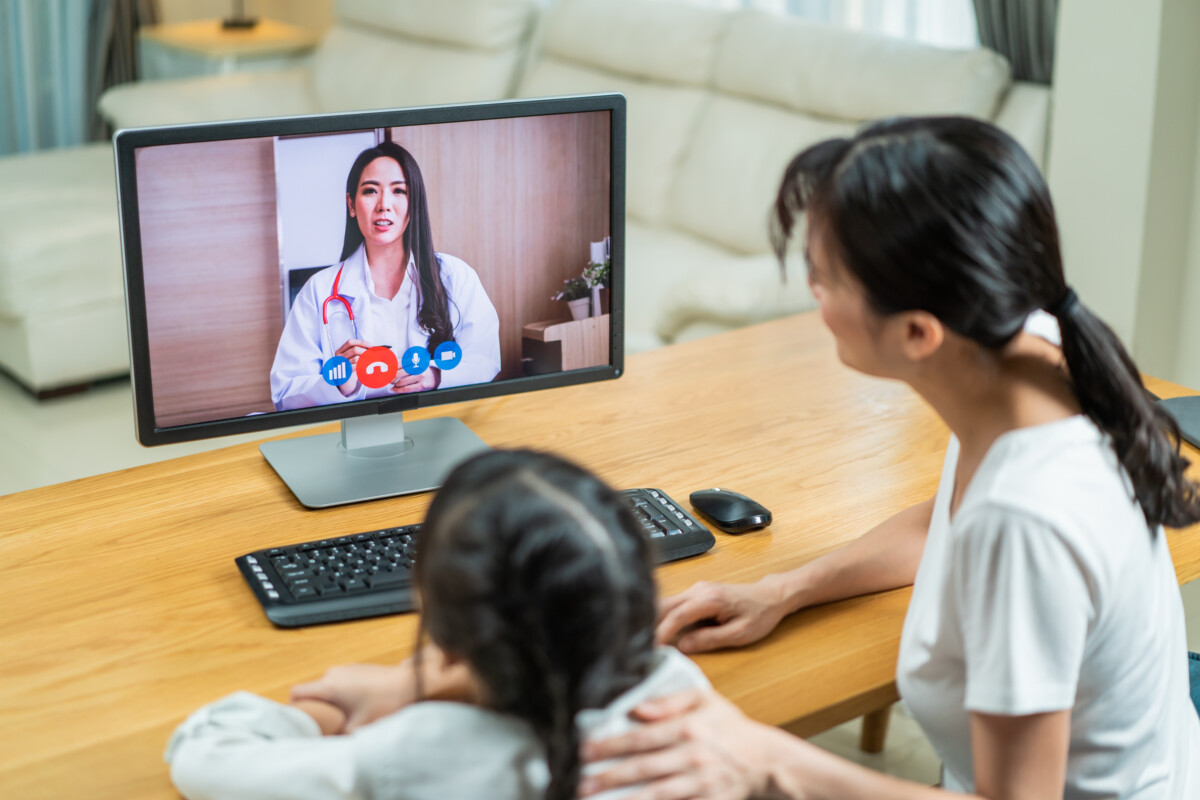
When your child wakes up with a fever, a strange rash, or a persistent cough, the last thing you want to do is bundle them into the car for a stressful wait in a germ-filled doctor’s office. Modern parenting has embraced a powerful solution: pediatric telemedicine online care for children. This innovative approach to child healthcare leverages secure video, phone, and messaging platforms to connect families with licensed pediatricians and specialists from the comfort of home. It represents a fundamental shift in how we access medical advice for minor illnesses, chronic condition management, and behavioral health support, offering a blend of convenience, accessibility, and clinical quality that is reshaping pediatric care for the digital age.
What Is Pediatric Telemedicine and How Does It Work?
Pediatric telemedicine, often used interchangeably with pediatric telehealth, refers to the delivery of healthcare services for children and adolescents using telecommunications technology. This is not a replacement for all in-person care but a complementary tool that expands access and efficiency. The core model involves a virtual visit where a parent or guardian (and the child, when appropriate) connects with a healthcare provider through a secure, HIPAA-compliant platform on a smartphone, tablet, or computer. These consultations are designed to address a wide range of non-emergency medical concerns, from common childhood ailments like ear infections and pink eye to follow-up visits for ongoing issues like asthma or ADHD.
The process is typically straightforward. Parents begin by registering with a telemedicine platform, providing their child’s medical history and insurance information. When care is needed, they can often schedule a same-day or next-day appointment. During the visit, the provider will discuss symptoms, visually assess the child (which is remarkably effective for many conditions like rashes, throat redness, or general demeanor), and review any relevant history. Based on this assessment, the provider can offer a diagnosis, recommend treatment plans, prescribe medications when appropriate, and advise on if and when an in-person evaluation is necessary. This seamless integration of technology and clinical expertise makes managing your child’s health less disruptive to daily life.
The Tangible Benefits of Virtual Pediatric Care
The advantages of pediatric telemedicine online care for children extend far beyond mere convenience. For busy families, the time saved is significant, eliminating commutes, waiting room delays, and time off work or school. This efficiency is particularly valuable for working parents and those with multiple children. From a health perspective, it reduces exposure to other contagious illnesses often present in clinical settings, a critical consideration for immunocompromised children or during cold and flu season. Furthermore, pediatric telehealth dramatically improves access for families in rural or underserved areas where pediatric specialists may be hours away, and for those facing transportation barriers.
Perhaps one of the most profound benefits is in behavioral and mental health. Children and teens often feel more comfortable opening up about sensitive issues like anxiety, depression, or social struggles from a familiar environment rather than a clinical office. This can lead to more honest communication and better engagement with therapy. The continuity of care is also enhanced; follow-up visits are easier to keep, allowing for closer monitoring of chronic conditions. For minor, straightforward ailments, the ability to quickly obtain professional guidance can alleviate parental anxiety and ensure children receive appropriate care faster, often preventing a minor issue from escalating.
To summarize the key benefits, consider the following points:
- Enhanced Access and Convenience: Care from anywhere, often with extended hours and shorter wait times.
- Reduced Exposure: Minimizes contact with other sick patients in waiting rooms.
- Improved Mental Health Engagement: Creates a comfortable setting for discussing behavioral and emotional concerns.
- Stronger Care Continuity: Facilitates easier follow-up appointments and chronic disease management.
- Cost-Effectiveness: Can reduce costs associated with travel, missed work, and unnecessary emergency department visits.
Common Conditions Treated Through Pediatric Telehealth
Understanding which health concerns are suitable for a virtual visit is crucial for using pediatric telemedicine effectively. A wide array of common childhood conditions can be accurately diagnosed and managed online. These include minor infections like colds, sinusitis, and flu symptoms; skin conditions such as eczema, acne, mild rashes, and insect bites; allergies and allergy-related symptoms; pink eye (conjunctivitis); and minor gastrointestinal issues like diarrhea and vomiting. For many of these, a visual examination and detailed history are sufficient for a provider to make a confident diagnosis and treatment plan.
Pediatric telemedicine online care for children also excels in management and follow-up care. This includes medication reviews and refills for stable chronic conditions like asthma or ADHD, post-hospitalization or post-surgery follow-ups, reviewing lab or test results, and nutritional counseling. The mental health applications are extensive, covering therapy sessions for anxiety, depression, and behavioral challenges, as well as initial assessments and medication management in conjunction with a therapist. It is important to note that telemedicine is not for emergencies. Severe symptoms like difficulty breathing, chest pain, major injuries, severe dehydration, or altered mental status require immediate in-person emergency care.
Preparing for a Successful Virtual Visit with Your Child
A little preparation can make your child’s pediatric telemedicine visit more productive and less stressful for everyone involved. First, ensure you have a reliable internet connection and that your device’s camera, microphone, and speaker are working. Choose a quiet, well-lit room where your child can be comfortable and the provider can see them clearly. Natural light from a window facing the child is ideal. Have all necessary information ready before the call starts: your child’s weight, current medications and doses, pharmacy phone number, and a list of specific symptoms with details on when they started and how they’ve progressed.
For the appointment itself, dress your child in loose-fitting clothing that allows the area of concern to be easily shown. If the issue is a rash, for example, avoid one-piece pajamas. Have a thermometer handy if fever is a symptom. Write down your top two or three questions so you don’t forget them during the conversation. For younger children, having a favorite toy or book nearby can help keep them calm. Engage older children in the process by explaining that they will be talking to the doctor on the screen. During the visit, be prepared to assist the provider by moving the camera closer to show a specific area, like the throat or ears, if asked. A calm, prepared approach helps the provider gather the best possible information to guide care.
Integrating Telemedicine with Traditional Pediatric Care
The most effective healthcare model for children is a hybrid one that thoughtfully integrates pediatric telemedicine with traditional in-office care. This is not an “either/or” proposition but a “both/and” strategy. Think of virtual care as a tool in your pediatric healthcare toolkit. It is perfect for after-hours questions, quick sick visits, and routine follow-ups. However, it works best within the context of an established care relationship. Having a primary care pediatrician who oversees your child’s overall health record, including growth charts, immunization history, and comprehensive medical background, ensures continuity. The telemedicine provider can then act as an extension of that care team for specific episodes.
Many traditional pediatric practices now offer their own integrated telehealth services, which is an ideal scenario. This allows your child to see their own doctor or a colleague from the same practice virtually, with full access to their medical record. If you use a standalone telemedicine platform, it is vital to communicate the visit summary, any diagnoses, and prescribed medications back to your child’s primary pediatrician. This keeps the medical record complete and ensures everyone is on the same page. This integrated approach is the future of pediatrics, offering families maximum flexibility while maintaining the gold standard of coordinated, continuous care. For a deeper look at how this modern system functions, our guide on pediatric telemedicine and child healthcare explores the protocols and best practices in detail.
Frequently Asked Questions About Pediatric Telemedicine
Is pediatric telemedicine covered by insurance?
Most major insurance plans, including Medicaid and CHIP in many states, now cover telehealth services. Coverage details (like copays) can vary, so it’s best to check with your specific insurance provider. Many telemedicine platforms also offer affordable self-pay rates if insurance does not cover the visit.
Can a doctor prescribe medication for my child through telemedicine?
Yes, licensed providers can electronically prescribe medications for appropriate conditions during a virtual visit. They will send the prescription directly to your chosen pharmacy. However, controlled substances and certain other medications may have stricter regulations requiring an in-person visit.
What if my child needs a physical exam or tests?
The provider will conduct a visual exam and ask guided questions. If they determine a hands-on exam (like listening to the heart or lungs) or diagnostic tests (like a strep test or X-ray) are necessary, they will direct you to the appropriate in-person care setting, such as your pediatrician’s office, an urgent care, or a lab.
Is telemedicine safe and private for my child?
Reputable pediatric telemedicine platforms use encrypted, HIPAA-compliant software designed specifically for healthcare to ensure patient privacy and data security. You should always verify that the platform and providers are compliant with these healthcare privacy standards.
At what age can a child use telemedicine?
Children of all ages can benefit, but the format differs. For infants and young children, the parent is the primary communicator. For school-aged children and teens, the provider will often engage directly with the child, with the parent present to assist and provide additional context.
Pediatric telemedicine online care for children has firmly established itself as a vital component of contemporary healthcare. By offering a practical, accessible, and effective way to address a multitude of child health concerns, it empowers parents to act quickly and confidently. It bridges gaps in access, supports mental well-being, and, when used in partnership with a primary care pediatrician, creates a more resilient and responsive healthcare ecosystem for the entire family. As technology and healthcare continue to converge, this patient-centered model promises to keep our children healthier, with less stress and more support readily available at every stage of their growth.
About the Author: Jessica Martinez





Sign up for our newsletter and Save 20% on Test Kits
"*" indicates required fields