

Pediatric Telemedicine: A Modern Guide for Child Healthcare
Pediatric Telemedicine: A Modern Guide for Child Healthcare
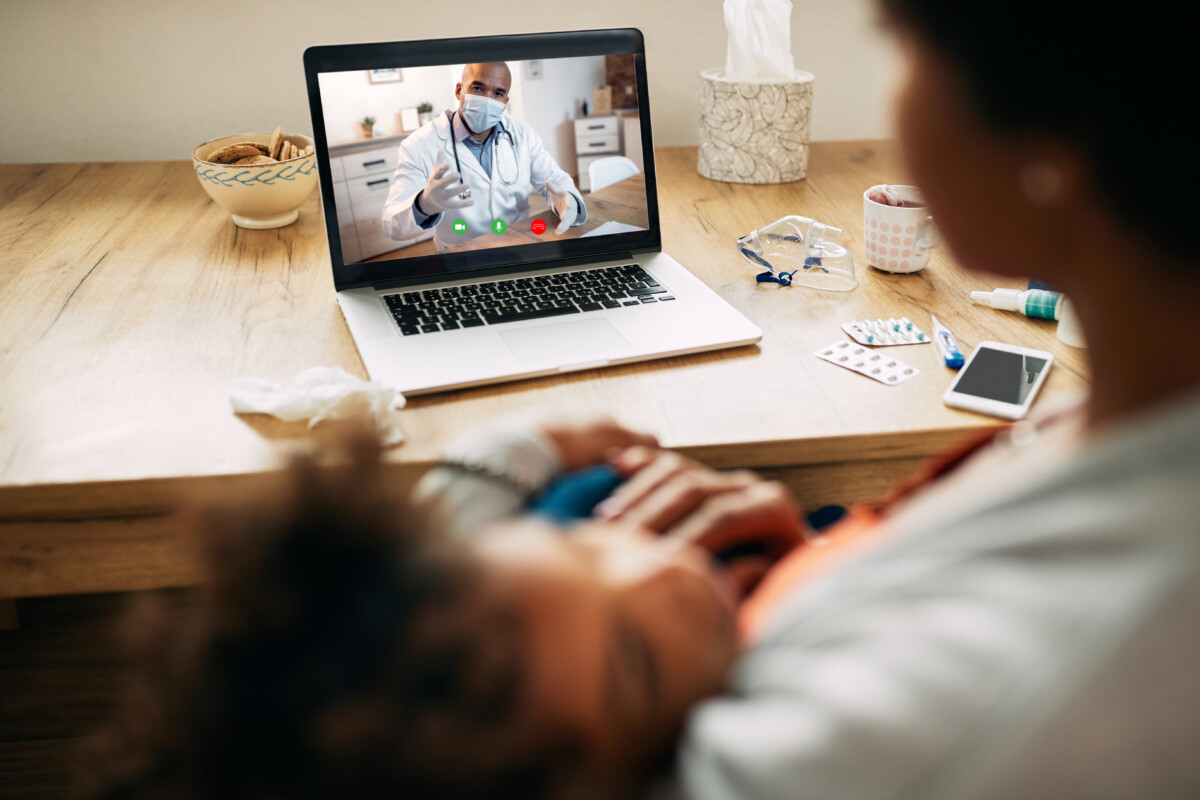
When your child wakes up with a fever on a Sunday morning or complains of a recurring sore throat, the last thing you want is a stressful trip to a crowded clinic. Today, accessing pediatric care is evolving, moving from the traditional waiting room to the living room through telemedicine for children. This digital approach to healthcare connects families with pediatricians and specialists via video calls, phone consultations, and secure messaging, offering a convenient, effective, and often less intimidating way to manage a wide range of childhood health concerns. From routine check-ups and common illnesses to chronic condition management and behavioral health support, virtual care is reshaping how parents seek medical advice for their kids, providing timely access while reducing exposure to other germs in clinical settings.
The Scope and Benefits of Virtual Pediatric Care
Telemedicine for children is not a one-size-fits-all solution, but its applications are remarkably broad. It is exceptionally well-suited for follow-up visits, medication reviews, mental health counseling, dermatology assessments (like rashes or eczema), and managing chronic conditions such as asthma or ADHD. For many common acute illnesses, including colds, flu, sinus infections, pink eye, and allergies, a virtual visit can provide a diagnosis, treatment plan, and, if necessary, a prescription sent directly to your pharmacy. The benefits for families are substantial. It eliminates travel time and costs, reduces time off work and school, and minimizes the anxiety many children feel in clinical environments. Perhaps most importantly, it expands access to care for families in rural areas or those with limited transportation options, ensuring more children can see a healthcare provider when they need to.
For non-emergency situations outside standard office hours, connecting with a pediatric provider can prevent a trip to the emergency room. Our resource on how to connect with a 24 hour telemedicine doctor online today outlines the process for finding immediate care. The core advantages of pediatric telemedicine can be summarized in several key points:
- Convenience and Accessibility: Care is available from home, often with more flexible scheduling, including evenings and weekends.
- Reduced Exposure: Keeps sick children away from waiting rooms, limiting the spread of contagious illnesses to others and protecting immunocompromised kids.
- Improved Continuity of Care: Easier follow-ups and check-ins help providers monitor progress closely, leading to better health outcomes.
- Parental Empowerment: Visits often occur in a child’s familiar setting, allowing parents to be more involved and comfortable asking questions.
- Specialist Access: Families can consult with pediatric specialists who may be geographically distant without the burden of long-distance travel.
Preparing for a Successful Pediatric Telehealth Visit
A successful virtual visit requires a bit more preparation than an in-person appointment. The goal is to replicate the information a doctor would gather in the office as closely as possible. Start by ensuring you have a reliable internet connection and a device with a working camera and microphone. Test the telehealth platform beforehand, as many clinics use specific patient portals. Choose a quiet, well-lit room where your child can sit comfortably and the provider can see them clearly. Have your child wear loose clothing if a rash or injury needs to be examined.
Gathering information is the most critical step. Write down all symptoms, including when they started, their severity, and anything that makes them better or worse. Have a list of all medications, vitamins, and supplements your child takes, including dosages. For infants and young children, note their most recent temperature (and how it was taken), fluid intake, wet diaper count, and any changes in activity or sleep. If your child has a rash, skin condition, or injury, take clear, well-lit photos from multiple angles before the visit. Having a thermometer, flashlight, and a basic first-aid kit nearby is also helpful. This preparation turns a brief video call into a productive clinical encounter.
Understanding the Limitations and Safety Protocols
While telemedicine for children is powerful, it has clear boundaries. It is not appropriate for medical emergencies. If your child is experiencing severe symptoms like difficulty breathing, chest pain, severe dehydration, a high fever in a very young infant, a major injury, or altered mental status, you must seek in-person emergency care immediately. Virtual visits also cannot handle situations requiring hands-on physical exams, such as checking for abdominal tenderness, listening to heart and lungs with a stethoscope (though digital stethoscopes are emerging), or performing diagnostic tests like throat swabs or blood work. A responsible telehealth provider will recognize these limitations and direct you to an appropriate level of in-person care when necessary.
Safety and privacy are paramount. Always use a secure, HIPAA-compliant platform recommended by your healthcare provider, not general consumer video chat services. Ensure your consultations are private, and be aware of who might overhear the conversation. Discuss with the provider how prescriptions will be sent securely to your pharmacy and how follow-up communication will be handled. Understanding these protocols ensures that your child’s health information remains protected while receiving convenient care.
Specialized Applications: Chronic Care and Mental Health
One of the most transformative applications of telemedicine is in the management of pediatric chronic conditions. For children with asthma, diabetes, epilepsy, or gastrointestinal issues, frequent monitoring is key. Virtual visits allow for regular check-ins to review symptoms, medication adherence, and data from home devices (like glucose meters or peak flow meters) without the disruption of monthly clinic trips. This consistent touchpoint can lead to earlier intervention and better long-term control of the condition.
Similarly, child and adolescent mental health has found a powerful ally in telehealth. Behavioral concerns, anxiety, depression, and ADHD management often require ongoing therapy sessions. Telemedicine removes significant barriers to this care, such as stigma and transportation. Children often feel more at ease speaking with a therapist from their own home, which can lead to more open communication. This model also facilitates easier family involvement in therapy sessions. The principles of consistent, accessible care apply here as they do for physical health, as detailed in our article on how telemedicine for sleep disorders improves diagnosis and care, a common issue intertwined with both physical and mental well-being.
Frequently Asked Questions About Pediatric Telemedicine
What ages are appropriate for telemedicine visits?
Telemedicine can be used for patients of all ages, from newborns to teenagers. The format may vary: for infants, the visit is primarily a conversation with the parent while observing the baby, while for older children, the provider can engage directly with the patient.
Will my insurance cover telemedicine for my child?
Coverage has expanded dramatically, especially since the pandemic. Most private insurers and Medicaid now cover telehealth services. However, you should always verify coverage with your specific insurance plan, checking for any copays or visit limits.
Can a provider prescribe medication during a virtual visit?
Yes, if the diagnosis supports it and a prescription is medically appropriate, a licensed provider can electronically send a prescription to your local pharmacy. There are regulations, particularly for controlled substances, that may require an in-person visit initially.
How do I handle a physical exam virtually?
The provider will guide you through a “virtual exam.” This may involve asking your child to cough, breathe deeply, move a joint, or touch their toes. They may ask you to palpate an area gently or use your phone’s light to look in the throat or at a rash. You are the provider’s eyes and hands.
Is telemedicine as effective as in-person care for kids?
For the conditions it is designed to treat, studies show telemedicine is just as effective as in-person visits for outcomes, diagnosis accuracy, and patient satisfaction. It is a tool for appropriate care, not a replacement for all pediatric medicine.
Telemedicine for children represents a significant step forward in making healthcare more adaptable, family-centered, and accessible. By understanding its appropriate uses, preparing effectively for visits, and recognizing its limitations, parents can confidently integrate this tool into their child’s healthcare strategy. It complements traditional pediatrics, offering a streamlined path for advice, treatment, and support that fits into the rhythm of modern family life, ensuring children receive the right care at the right time.
About the Author: Natalie Carter





Sign up for our newsletter and Save 20% on Test Kits
"*" indicates required fields