

Online Primary Care Doctor Services: A Modern Guide to Virtual Care
Online Primary Care Doctor Services: A Modern Guide to Virtual Care

Imagine managing a persistent cough, a recurring skin rash, or a need for a medication refill without leaving your home, waiting in a crowded office, or rearranging your entire day. This is the fundamental promise of online primary care doctor services, a transformative shift in how foundational healthcare is delivered. By leveraging secure video, phone, and messaging platforms, these services connect patients with licensed primary care physicians (PCPs) for a wide range of non-emergency medical needs. This model is not a temporary substitute but a robust, patient-centered approach to continuous care that addresses many of the traditional system’s biggest pain points: accessibility, convenience, and often, cost.
What Online Primary Care Encompasses
Online primary care is a comprehensive subset of telemedicine focused on longitudinal, general health management. It moves far beyond a simple one-off urgent care visit for a sinus infection. A qualified virtual primary care provider aims to build a continuous relationship with you, much like a traditional family doctor or internist would. They can manage chronic conditions like hypertension or diabetes, provide preventive care guidance, address acute illnesses, coordinate referrals to specialists, and oversee your overall health trajectory. The core distinction from traditional telehealth is the ongoing relationship and breadth of care, which includes reviewing your medical history, tracking lab results over time, and developing personalized health plans.
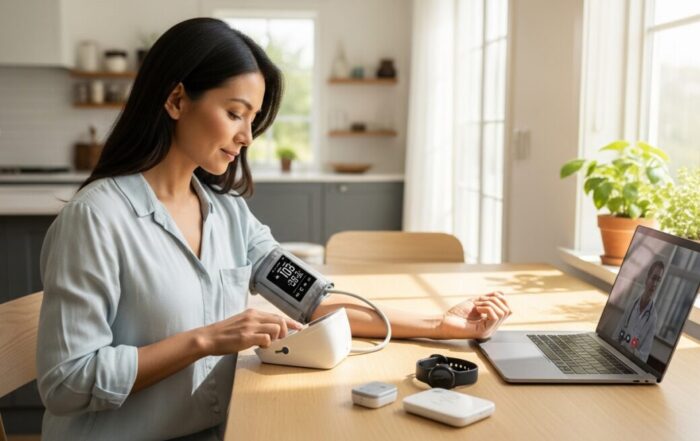
The technological framework is designed for clarity and ease. Consultations typically occur via high-definition video on a smartphone, tablet, or computer. Integrated patient portals serve as a secure hub for communication, storing health records, viewing after-visit summaries, and managing prescriptions. Many platforms, including services like Doctors Home, also facilitate connections to lab networks for in-person blood draws or offer at-home testing kits, bridging the gap between the virtual and physical aspects of care. This creates a cohesive ecosystem where diagnosis, treatment, and monitoring can flow seamlessly.
Core Benefits of Choosing a Virtual Primary Care Doctor
The advantages of integrating online primary care doctor services into your health strategy are multifaceted, impacting your time, wallet, and overall health engagement. The most immediate benefit is unparalleled convenience. Geography ceases to be a barrier, which is a game-changer for residents in rural areas, individuals with mobility challenges, or busy professionals and parents. Appointments can often be scheduled same-day or next-day, with minimal wait times, and are conducted from your chosen environment. This reduces the stress and time loss associated with travel, parking, and sitting in a waiting room.
Financial and administrative simplicity is another significant draw. While insurance coverage is increasingly common for telehealth, many online primary care services offer transparent, subscription-based or flat-fee visit models. This predictability helps patients avoid surprise bills and understand costs upfront. Furthermore, the efficiency of the model can lead to broader systemic cost savings by reducing unnecessary emergency room visits and enabling earlier intervention for manageable conditions. Perhaps the most profound benefit is the empowerment of the patient. With easier access to your doctor, digital tools for tracking health metrics, and educational resources at your fingertips, you become a more active, informed participant in your own care journey.
Conditions and Services Well-Suited for Virtual Care
A common and valid question is: what can you actually treat online? The scope is remarkably broad. For acute, common illnesses and minor injuries, a virtual primary care doctor is an excellent first line of defense. This includes conditions like upper respiratory infections (colds, sinusitis, flu), urinary tract infections (UTIs), skin conditions (rashes, acne, eczema), allergies, and digestive issues. For ongoing health management, these services excel in areas like medication management for stable chronic conditions (e.g., thyroid disorders, high cholesterol), mental health support for anxiety or depression, lifestyle counseling for weight management or smoking cessation, and preventive health screenings and advice.
Prescription services are a cornerstone of this care model. For many appropriate conditions, a licensed online physician can prescribe medications electronically to your local pharmacy. It is crucial to understand that responsible platforms adhere to strict medical guidelines; controlled substances typically cannot be prescribed virtually, and certain conditions will always require an in-person evaluation. Reputable services often have areas of focused expertise. For instance, platforms like Doctors Home provide specific treatment pathways for conditions like herpes virus management and eye allergies, demonstrating how virtual care can deliver specialized, convenient treatment for sensitive or ongoing needs.
To illustrate the practical scope, here are common healthcare needs effectively addressed by an online primary care doctor:
- Acute illnesses: Colds, flu, sinus infections, strep throat, bronchitis, and UTIs.
- Chronic disease management: Consultations and medication management for hypertension, Type 2 diabetes, asthma, and COPD.
- Skin conditions: Assessment of rashes, acne, psoriasis, eczema, and minor infections.
- Mental health: Initial evaluation and ongoing management for anxiety, depression, and insomnia (often in collaboration with therapists).
- Preventive care: Health risk assessments, lifestyle coaching, travel health advice, and routine medication refills.
Understanding the Limitations and Safety Protocols
While powerful, online primary care has inherent boundaries rooted in patient safety. It is not a replacement for emergency medicine or hands-on physical examinations. Any situation requiring immediate, life-saving intervention, such as chest pain, severe shortness of breath, stroke symptoms, major trauma, or severe abdominal pain, necessitates a call to 911 or a visit to an emergency room. Conditions that require imaging (like X-rays or MRIs), complex procedures, or a direct physical exam (like assessing the extent of a fracture or listening to heart and lung sounds in a complex case) will typically lead your virtual doctor to recommend an in-person visit.
Ethical online primary care platforms are built on rigorous safety protocols. They verify the licensure and credentials of all participating physicians. They use HIPAA-compliant, encrypted technology to ensure the privacy and security of your health information. Intake questionnaires are thorough, and physicians are trained to conduct detailed virtual exams, asking specific questions about symptoms, duration, and history. They will not prescribe medications without a proper virtual evaluation and will clearly communicate when an in-person follow-up is medically necessary. This creates a responsible, integrated care model where virtual and in-person services work in tandem for optimal patient outcomes.
How to Choose a Reputable Online Primary Care Service
Selecting the right platform is critical to a positive and effective healthcare experience. Your first step should be to verify the licensing and credentials of the providers. Ensure the physicians are licensed to practice in your state and board-certified in their field. Next, investigate the technology and user experience. The platform should be intuitive, reliable, and offer robust customer support. Review the service model: does it accept your insurance, operate on a subscription (like a monthly fee), or charge per visit? Understand all costs upfront, including any fees for prescriptions or follow-up messages.
Examine the range of services to ensure they align with your needs. Some platforms focus broadly on primary care, while others may have strengths in specific areas like men’s health, women’s health, or chronic condition management. Consider whether the service facilitates care coordination, such as sending visit summaries to your other doctors or helping you find in-network specialists. Finally, read independent patient reviews to gauge satisfaction with wait times, physician quality, and the overall effectiveness of care. A platform that prioritizes continuity, like establishing an ongoing relationship with a specific provider or care team, often yields the best long-term health results.
Integrating Virtual and In-Person Care for Holistic Health
The most effective healthcare strategy is a hybrid one. Think of your online primary care doctor as your accessible, first-point-of-contact health manager, and your in-person providers (including specialists) as essential partners for hands-on procedures, advanced diagnostics, and certain complex treatments. A seamless integration is key. A high-quality virtual care service will encourage you to share your full medical history and will, with your permission, send records and consultation notes to your other healthcare providers. This ensures everyone on your team is informed.
You might use your virtual PCP for routine check-ins on a chronic condition, medication adjustments, or quick questions, while scheduling annual physicals or necessary screenings in-person. The virtual doctor can also act as a knowledgeable guide, helping you determine if and when you need to see a specialist and potentially providing a referral. This collaborative model eliminates gaps in care, reduces redundancy, and places you, the patient, at the center of a coordinated, responsive healthcare network. It represents the future of patient-centered medicine: flexible, continuous, and designed around your life.
Frequently Asked Questions
Can an online primary care doctor prescribe medication?
Yes, licensed online physicians can prescribe a wide range of medications for appropriate conditions, sending them electronically to your preferred pharmacy. They cannot prescribe controlled substances (like certain pain medications or ADHD drugs) via a virtual visit in most cases, and they will not prescribe without a proper evaluation.
Will my insurance cover online primary care visits?
Coverage has expanded dramatically. Most private insurers, Medicare, and many Medicaid plans now cover telehealth visits similarly to in-person visits. However, coverage details vary. Always check with your insurance provider and the telemedicine service to understand your copay, coinsurance, or if a flat visit fee applies.
How do I get lab tests or blood work done with a virtual doctor?
Virtual care platforms typically have partnerships with national lab networks (like Quest Diagnostics or LabCorp). Your doctor can order necessary tests, and you can visit a local patient service center for the blood draw. Some conditions may also be managed using at-home testing kits provided or recommended by the service.
Is my personal health information secure on these platforms?
Reputable platforms are required by federal law (HIPAA) to use stringent security measures. This includes end-to-end encryption for video calls, secure messaging within the platform, and protected servers for storing your health data. Avoid using general-purpose video chat apps for medical consultations.
What if I need a specialist referral or in-person care?
A core function of a primary care doctor, virtual or in-person, is care coordination. Your online PCP can provide referrals to specialists within your insurance network and will recommend in-person care when clinically necessary, guiding you on the next appropriate steps.
The evolution toward online primary care doctor services signifies a fundamental rethinking of the patient-provider relationship, prioritizing accessibility and continuity. By understanding its capabilities, limitations, and how to effectively integrate it into your overall health plan, you can take greater control of your well-being. This model demystifies healthcare, making routine management and timely consultations a practical part of a busy life, all while maintaining a consistent connection to a medical professional dedicated to your long-term health.
About the Author: David Reynolds




Sign up for our newsletter and Save 20% on Test Kits
"*" indicates required fields