

Online Medical Consultation Services: Benefits and How They Work
Online Medical Consultation Services: Benefits and How They Work

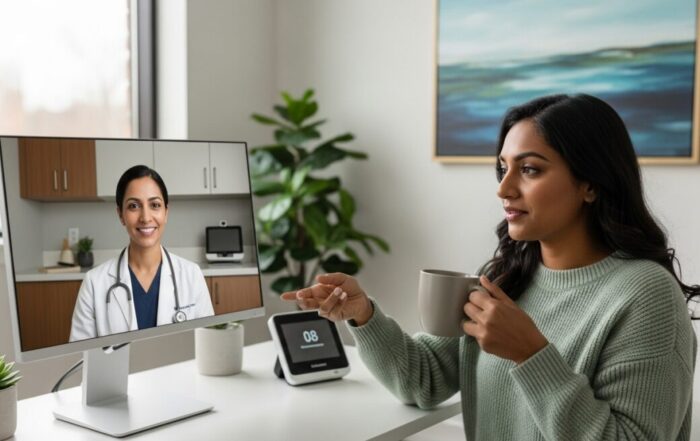
Imagine receiving expert medical advice, a prescription renewal, or a treatment plan for a common condition without leaving your home, taking time off work, or sitting in a waiting room. This is the fundamental promise of online medical consultation services, a transformative component of modern healthcare that leverages digital technology to connect patients with licensed providers. These virtual visits, often conducted via secure video, phone, or messaging platforms, are reshaping how we access care for a wide range of non-emergency health concerns, from acute illnesses like sinus infections to chronic condition management and mental health support. The model prioritizes convenience, accessibility, and often affordability, making it a compelling alternative or supplement to traditional in-person appointments for millions of patients.
Understanding the Core Mechanics of Virtual Care
At its heart, an online medical consultation service is a structured digital interaction between a patient and a healthcare provider. The process typically begins with a patient registering on a secure platform, such as Doctors Home, and completing a detailed intake form about their medical history, current symptoms, and any medications. This information is reviewed by a licensed physician, nurse practitioner, or other qualified provider before the consultation begins. The actual consultation can take several forms: a live video call that mimics a face-to-face visit, a telephone call, or an asynchronous exchange of messages and photos. The provider assesses the information, asks clarifying questions, discusses potential diagnoses, and develops a treatment plan. This plan may include lifestyle advice, a prescription sent electronically to a pharmacy of the patient’s choice, a recommendation for an at-home testing kit, or a referral for in-person care if the condition requires it.
The scope of these services is carefully defined to ensure patient safety. They are ideal for a specific set of conditions and healthcare needs. Common use cases include prescription renewals for ongoing medications, treatment for minor illnesses like urinary tract infections, pink eye, or seasonal allergies, mental health counseling and therapy sessions, dermatological assessments of skin conditions via photo upload, and follow-up consultations for chronic diseases like diabetes or hypertension. It is critical for patients to understand that online medical consultations are not for emergencies. Symptoms like chest pain, severe shortness of breath, stroke symptoms, or major trauma require immediate in-person emergency care. Reputable platforms have clear guidelines and screening protocols to direct patients to appropriate levels of care.
The Multifaceted Benefits for Patients and the Healthcare System
The adoption of online medical consultation services delivers a powerful array of advantages that address long-standing pain points in traditional healthcare. The most immediate benefit for patients is profound convenience. Eliminating travel time, waiting rooms, and the need to take significant time off work or arrange childcare removes major barriers to accessing care. This is particularly valuable for individuals in rural or underserved areas where specialist travel can be prohibitive, for parents with young children, and for those with mobility challenges. The convenience factor often leads to earlier intervention, as patients are more likely to seek care for a minor issue when the process is simplified.
Beyond convenience, these services can significantly enhance healthcare access and continuity. Patients can often schedule same-day or next-day appointments, a stark contrast to the week-long waits common with primary care physicians. This rapid access can prevent a minor condition from worsening. Furthermore, virtual platforms can facilitate continuity by making it easier to have follow-up visits, allowing providers to monitor progress closely. For managing ongoing health, the ability to seamlessly integrate at-home testing kits with virtual consultations creates a powerful feedback loop. Patients can use a prescribed test, share results digitally with their provider, and adjust treatment plans accordingly, all remotely. This integrated approach is a cornerstone of effective chronic disease management and proactive health monitoring.
From a systemic perspective, online consultations can improve efficiency and potentially reduce costs. By diverting appropriate, low-acuity cases to virtual channels, in-person clinics can focus resources on more complex patients, potentially reducing wait times across the board. For patients, the cost structure is often transparent and sometimes lower than a traditional office visit copay, especially when considering saved transportation and time costs. Many major insurance plans now cover telemedicine services, and platforms like Doctors Home offer clear pricing for those paying out-of-pocket. The environmental benefit of reduced travel should also not be overlooked, contributing to a lower carbon footprint for routine healthcare.
Key Considerations for a Safe and Effective Virtual Visit
To maximize the benefits and ensure a positive, safe experience, patients should approach online medical consultations with preparation. Choosing a reputable platform is the first and most critical step. Look for services that operate within your state or country, as medical licensing is geographic. Verify that all providers are fully licensed and credentialed. The platform should use HIPAA-compliant or equivalent data security protocols to protect your personal health information during transmission and storage. Before your appointment, prepare just as you would for an in-person visit. Have a list of your current medications, allergies, and key medical history points ready. Write down your symptoms, including when they started, their severity, and any factors that make them better or worse. For a video visit, ensure you have a stable internet connection, a private, well-lit space, and your device’s camera and microphone functioning. Being prepared allows you to communicate effectively and helps the provider make the most accurate assessment possible.
Navigating Limitations and Ensuring Quality Care
While powerful, online medical consultation services are not a panacea and have inherent limitations that require careful navigation. The most significant limitation is the lack of physical examination. A provider cannot listen to your heart or lungs, palpate your abdomen, or look in your ears and throat via a standard video call. This restricts the types of conditions that can be safely diagnosed and treated. Reputable providers are trained to recognize when a physical exam is necessary and will not hesitate to recommend an in-person visit. This is a sign of responsible care, not a failure of the service. Furthermore, these services work best when there is an established relationship or when the condition is straightforward. For complex, undiagnosed symptoms, an in-person evaluation with a primary care physician who knows your full history is usually more appropriate.
Another crucial consideration is the integration of care. The ideal healthcare model is a hybrid one, where online and in-person services are seamlessly coordinated. Your virtual provider should be able to send visit notes and prescriptions to your local pharmacy and, with your consent, communicate findings to your primary care doctor. This ensures your overall health record remains complete. Fragmented care, where virtual visits occur in isolation without any connection to your main healthcare team, can lead to medication conflicts, duplicated tests, and missed opportunities for comprehensive care. When used thoughtfully as part of a broader healthcare strategy, online consultations become a powerful tool for continuity rather than a source of fragmentation. For complex diagnoses, seeking an online second opinion service can be an invaluable use of telemedicine, as detailed in our guide to virtual medical consultations.
Frequently Asked Questions
Are online medical consultations as effective as in-person visits?
For the specific conditions they are designed to treat, such as prescription renewals, minor infections, mental health therapy, and dermatology assessments, studies show they are equally effective in terms of clinical outcomes and patient satisfaction. For conditions requiring a hands-on physical exam, they are not a substitute.
Can I get a prescription through an online consultation?
Yes, licensed providers can prescribe medications when clinically appropriate. However, they are bound by the same strict regulations as in-person doctors. They cannot prescribe controlled substances (like most opioids or ADHD medications) without a prior in-person relationship in many jurisdictions, and they will not prescribe antibiotics without a likely bacterial infection.
Is my personal health information secure on these platforms?
Reputable platforms like Doctors Home use encryption and security measures that comply with healthcare privacy laws (HIPAA in the U.S.). Always review the platform’s privacy policy and ensure they explicitly state they are HIPAA-compliant or equivalent.
What if I need lab tests or imaging?
The provider can order necessary tests. You may be directed to a local lab for blood work or imaging center. Increasingly, platforms partner with services that offer at-home testing kits, which you can use and then discuss the results in a follow-up virtual visit.
How do I know if my condition is suitable for a virtual visit?
Platforms typically have clear lists of treatable conditions on their websites. During the sign-up process, you will be screened. If your symptoms (e.g., chest pain, difficulty breathing) suggest an emergency, the platform will instruct you to seek immediate in-person care.
The evolution of online medical consultation services represents a significant step toward more patient-centered, accessible, and efficient healthcare. By understanding how these services work, their appropriate uses, and their limitations, patients can confidently integrate them into their personal healthcare strategy. They offer a practical solution for managing many common health needs, complementing traditional care and empowering individuals to take a more active role in their health. As technology and regulations continue to advance, the integration of digital tools, from virtual visits to at-home testing and secure online medical records, will only deepen, making coordinated, convenient care a standard expectation for all.
About the Author: Kevin Ramirez




Sign up for our newsletter and Save 20% on Test Kits
"*" indicates required fields