

Online Healthcare and Virtual Health Services Explained for Patients
Online Healthcare and Virtual Health Services Explained for Patients

Imagine consulting with a doctor, receiving a diagnosis, and getting a prescription filled, all without leaving your home. This is the reality of modern online healthcare, a transformative shift in how medical services are delivered. Virtual health services, once a niche convenience, have become a mainstream pillar of the healthcare system, offering unprecedented access, efficiency, and patient-centered care. This model leverages digital communication technologies to connect patients with licensed healthcare providers for a wide range of non-emergency medical needs. From managing chronic conditions to addressing acute illnesses, online healthcare is redefining the patient experience by removing traditional barriers like geography, time, and mobility.
What Are Online Healthcare and Virtual Health Services?
Online healthcare, often used interchangeably with terms like telemedicine, telehealth, and virtual care, refers to the delivery of health-related services and information via digital technologies. It encompasses a broad spectrum of interactions, from a simple text-based chat with a nurse to a comprehensive video consultation with a specialist. The core principle is using secure digital platforms to facilitate care when an in-person visit is not necessary, or is logistically challenging. This approach is not meant to replace all traditional medicine but to complement it, creating a more flexible and responsive healthcare ecosystem.
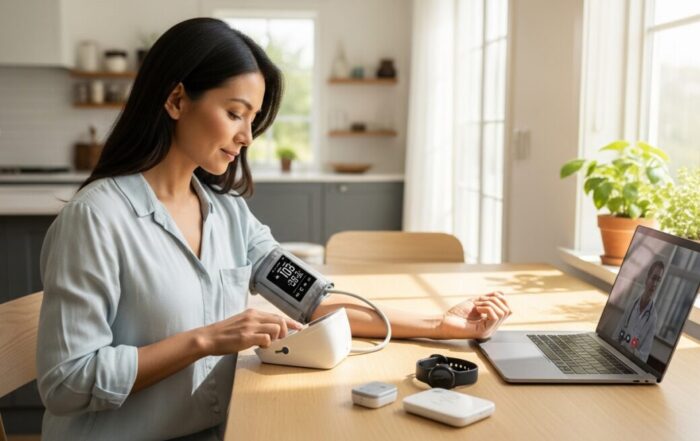
Virtual health services can be categorized into several key modalities. Synchronous services involve real-time communication, such as live video conferencing or phone calls with a provider. Asynchronous services, often called “store-and-forward,” involve sending medical information (like photos, lab results, or messages) to a provider who reviews it and responds at a later time. Remote patient monitoring (RPM) uses connected devices to transmit patient data (like blood pressure or glucose levels) to a healthcare team for ongoing management. Finally, mobile health (mHealth) includes healthcare support delivered via smartphone apps and wearable technologies. Together, these modalities form a cohesive virtual care network.
The Core Benefits of Adopting Virtual Care
The rise of online healthcare is driven by tangible benefits for patients, providers, and the healthcare system at large. For patients, the most significant advantage is dramatically improved access. Individuals in rural or underserved areas can connect with specialists hundreds of miles away. Those with mobility issues, transportation challenges, or demanding schedules can receive care without the burden of travel and waiting rooms. This accessibility often leads to earlier intervention, as patients are more likely to seek help for a minor concern when the process is convenient.
Beyond access, virtual care offers substantial time and cost savings. Patients save on travel expenses, parking fees, and often take less time off work. For providers and health systems, virtual visits can optimize schedules, reduce no-show rates, and lower overhead costs associated with physical facilities. Furthermore, online healthcare enhances continuity of care. It allows for easier follow-up appointments, medication check-ins, and chronic disease management touchpoints, keeping patients engaged with their health journey between major in-person visits. This continuous connection can lead to better health outcomes and patient satisfaction.
Common Services Available Through Online Platforms
Virtual health platforms like Doctors Home have expanded the scope of treatable conditions far beyond simple colds. Patients can now address a wide array of health concerns remotely. Common services include treatment for acute, non-emergency conditions such as sinus infections, urinary tract infections, pink eye, and skin rashes like poison ivy. Mental health support, including therapy and psychiatric medication management, is one of the most successful and growing applications of telehealth.
Chronic disease management is another critical area. Patients with diabetes, hypertension, or asthma can have regular virtual check-ins to review logs, adjust medications, and discuss lifestyle changes. Dermatology consultations via teledermatology, where patients upload photos of skin conditions, are highly effective. Furthermore, platforms often provide specialized prescription services. For instance, services like those offered by Doctors Home provide convenient, discreet access to prescription medications for specific conditions such as herpes virus outbreaks and eye allergies, following a virtual consultation with a licensed professional.
Preventive and wellness care is also accessible. This includes lifestyle coaching, nutrition counseling, smoking cessation programs, and pre-operative consultations. The integration of at-home testing kits, a service highlighted by platforms including Doctors Home, is a game-changer. Patients can order kits for STI screening, cholesterol panels, or hormone tests, collect their sample at home, mail it to a lab, and discuss the results with a provider virtually, creating a seamless diagnostic loop.
How a Typical Virtual Visit Works
Understanding the process can alleviate anxiety for first-time users of online healthcare. The journey is typically straightforward and user-friendly. It begins with accessing a platform’s website or mobile app and creating a secure account. Patients then complete a detailed medical history and intake form, similar to paperwork in a physical office. The next step is to schedule an appointment, often with the ability to see provider profiles and select a time that fits your schedule, sometimes with same-day or next-day availability.
When the appointment time arrives, you join a secure, HIPAA-compliant video call from a private location. The consultation proceeds much like an in-person visit: you discuss your symptoms, medical history, and concerns with the provider. They may ask you to describe your symptoms in detail, show them a visible issue on camera, or take your own vital signs (like temperature) if relevant. Based on the assessment, the provider will deliver a diagnosis, discuss a treatment plan, and, if medically appropriate, send a prescription electronically to your pharmacy of choice. They may also recommend an in-person follow-up or specific lab tests. A key step after any virtual visit is to ensure your primary care physician receives a summary of the encounter to maintain your complete medical record.
Ensuring Safety, Privacy, and Quality in Virtual Care
Legitimate concerns about the safety and quality of online healthcare are paramount. Reputable platforms operate under strict regulations to protect patients. First and foremost, they must use HIPAA-compliant software that encrypts all video, audio, and text communications to protect your personal health information. You should verify that the platform clearly states its compliance with HIPAA and other privacy laws.
Quality assurance starts with provider credentials. Trusted services only employ licensed, board-certified healthcare professionals who are credentialed to practice in your state. They operate under the same medical standards and ethical guidelines as in-person clinics. It is crucial to understand the limitations of virtual care, however. Online healthcare is not suitable for medical emergencies like chest pain, severe shortness of breath, stroke symptoms, or major trauma. These situations require immediate emergency room care. A responsible virtual provider will clearly communicate these boundaries and will direct you to seek in-person care when necessary.
To ensure you are using a high-quality service, consider the following checklist before your first visit:
- Verify the platform uses HIPAA-compliant, secure technology.
- Confirm that all providers are licensed in your state and their credentials are listed.
- Check if the service can coordinate care with your primary care physician.
- Review the cost structure, insurance acceptance, and payment policies upfront.
- Ensure there is a clear protocol for follow-up and for handling situations that require in-person care.
By choosing a reputable platform, you can confidently access care that is both convenient and clinically sound. For a deeper dive into the technological and patient experience aspects, our guide on digital health and telehealth services provides additional context for modern patients.
Navigating Insurance and Costs for Virtual Visits
The financial aspect of online healthcare has evolved significantly. Today, most private health insurance plans, as well as Medicare and many Medicaid programs, cover telehealth services. Coverage often mirrors that of an in-person office visit, meaning you may be responsible for a co-pay, co-insurance, or deductible, depending on your plan. It is always advisable to check with your insurance provider beforehand to understand your specific benefits for telehealth codes (such as CPT codes 99201-99215 with modifier 95).
For those without insurance or preferring a direct-pay model, many online healthcare platforms offer transparent, flat-rate fees for consultations. These fees are often competitive with, or lower than, the cost of an urgent care visit without insurance. Some services, particularly those focused on specific prescription treatments or monthly membership models, operate primarily on a direct-to-consumer payment basis. The key is transparency: a reputable service will always disclose all costs, including consultation fees and medication costs, before you commit to a visit or purchase.
Frequently Asked Questions About Online Healthcare
Is a virtual visit as effective as an in-person doctor’s visit?
For the many conditions it is designed to treat, yes. Studies show comparable outcomes for areas like mental health, dermatology, chronic disease follow-ups, and acute respiratory infections. It is a tool for appropriate care, not a replacement for all hands-on physical exams.
Can I get a real prescription through online healthcare?
Yes, licensed providers can prescribe medications when deemed medically appropriate during a virtual consultation. However, they are bound by federal and state laws and cannot prescribe controlled substances (like most opioids, ADHD medications) without a prior in-person relationship in many jurisdictions. They will electronically send prescriptions to your local pharmacy.
What equipment do I need for a virtual visit?
You typically need a smartphone, tablet, or computer with a camera, microphone, speaker, and a reliable high-speed internet connection. Most platforms work through a web browser or a dedicated app.
Are my medical records from a virtual visit kept private?
Reputable platforms are required by HIPAA to protect your health information. They use encrypted connections and secure data storage. You should receive a visit summary, and you can request that records be sent to your primary care doctor.
Can I use online healthcare for my child?
Many services offer pediatric telehealth. A parent or legal guardian must typically create the account, provide consent, and be present during the consultation for minors.
Online healthcare and virtual health services represent a fundamental and lasting evolution in patient care. By demystifying the process and highlighting its appropriate uses, patients can feel empowered to leverage these tools for greater convenience and proactive health management. This model thrives as part of a hybrid approach, where virtual touchpoints complement essential in-person care. As technology advances and integration deepens, virtual care will continue to expand access, improve health outcomes, and place more control in the hands of patients, making the home a legitimate and powerful hub for everyday healthcare.
About the Author: Matthew Sullivan




Sign up for our newsletter and Save 20% on Test Kits
"*" indicates required fields