
Online Health Tests: What You Can Check at Home
Online Health Tests: What You Can Check at Home

The landscape of personal healthcare is undergoing a quiet revolution, one that puts unprecedented power and information directly into your hands. No longer is comprehensive health monitoring confined to the clinical setting, with its scheduling hassles and waiting room delays. A new era of proactive wellness is here, defined by the ability to conduct meaningful health screenings from the comfort and privacy of your own home. Online health tests and at home diagnostic kits are transforming how we understand our bodies, offering a first line of insight into everything from chronic disease markers to nutritional deficiencies and genetic predispositions. This shift represents more than mere convenience, it is a fundamental change in the patient-provider dynamic, enabling informed conversations and earlier interventions.
The Expanding Universe of At Home Health Tests
The range of conditions and biomarkers you can now screen for at home is vast and growing. These tests generally fall into several key categories, each serving a distinct purpose in your health management strategy. Some tests provide immediate, qualitative results similar to a home pregnancy test, while others involve collecting a sample (like blood, saliva, or stool) that you mail to a CLIA-certified laboratory for analysis. The results are then delivered via a secure online portal, often with explanatory notes or the option to consult with a healthcare professional. The reliability of these tests has improved dramatically, with many utilizing the same technologies found in doctor’s offices. However, it is crucial to understand the scope and limitations of each test type to use them effectively as part of your overall health plan.
Broadly, home testing options can be grouped by the bodily system or health aspect they assess. For instance, metabolic and cardiovascular health tests measure cholesterol, triglycerides, and HbA1c (a key indicator of blood sugar control over time). Hormone tests can evaluate thyroid function, testosterone levels, or cortisol patterns related to stress. For those managing chronic conditions, regular at-home monitoring of metrics like INR (for those on blood thinners) or blood glucose has become standard practice. Furthermore, tests for specific nutrients, like Vitamin D, B12, or iron, can identify deficiencies that may cause fatigue, brain fog, or other vague symptoms. The convenience of these home testing options allows for establishing personal baselines and tracking trends, which is often more valuable than a single data point.
Key Categories of Tests and What They Reveal
Delving deeper, let’s explore the most common and impactful categories of at home health tests. Understanding what each can and cannot tell you is the first step toward using them wisely.
Metabolic and Cardiovascular Health Panels
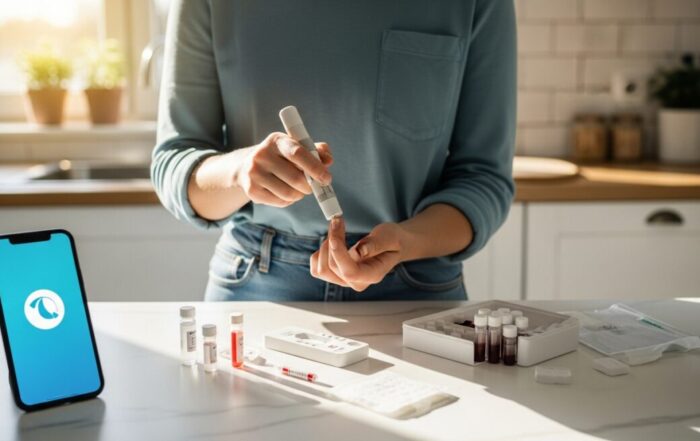
These are among the most popular home testing options for good reason. Heart disease and metabolic disorders like diabetes are leading health concerns, and early detection of risk factors is critical. A comprehensive at-home blood test can measure lipid panels (LDL, HDL, and total cholesterol, triglycerides), HbA1c for diabetes risk or management, and sometimes apolipoproteins for a more nuanced view of heart health. These tests require a simple finger-prick blood sample. For individuals with a family history of these conditions or those embarking on a new diet and exercise regimen, establishing a baseline with such a test provides concrete data to guide lifestyle changes and discussions with a doctor.
Hormone and Thyroid Function Tests
Hormones are the body’s chemical messengers, and imbalances can manifest in countless ways: unexplained weight changes, persistent fatigue, mood swings, sleep disturbances, and low libido. At home diagnostic kits for hormones typically use saliva or blood from a finger prick. They can assess cortisol (the stress hormone) throughout the day, sex hormones like estrogen, progesterone, and testosterone, and key thyroid markers (TSH, Free T3, Free T4). These tests are particularly valuable for individuals experiencing perimenopause, andropause, or chronic stress, offering insights that can lead to more targeted medical consultations. It’s important to note that hormone levels fluctuate, so testing should be done at the recommended time of day and, for women, at the correct point in the menstrual cycle for accurate interpretation.
Food Sensitivity and Gut Health Tests
This category has seen explosive growth, driven by widespread interest in the gut microbiome and its connection to overall health. While true food allergies (like to peanuts) require medical testing, at-home tests often focus on IgG-mediated food sensitivity, which is linked to delayed inflammatory responses. These tests usually require a small blood sample. Separate gut health tests analyze a stool sample to assess the diversity and balance of your gut bacteria, check for digestive enzymes, and screen for markers of inflammation or intestinal permeability. The results can suggest dietary modifications, but they should be reviewed with a nutritionist or gastroenterologist to create an effective action plan, as the science in this area is still evolving.
Navigating the Process: From Ordering to Understanding Results
The journey of using an online health test involves several key steps, and knowing what to expect can ensure a smooth and valuable experience. The process is designed to be user-centric, but attention to detail is important for accurate results.
- Research and Selection: Identify your health goal. Are you screening for a specific risk, investigating symptoms, or optimizing wellness? Choose a reputable company that uses certified labs, provides clear information on test accuracy, and offers professional support for results.
- Ordering and Kit Delivery: Purchase the test online. The kit, containing all necessary collection materials and detailed instructions, is shipped directly to you.
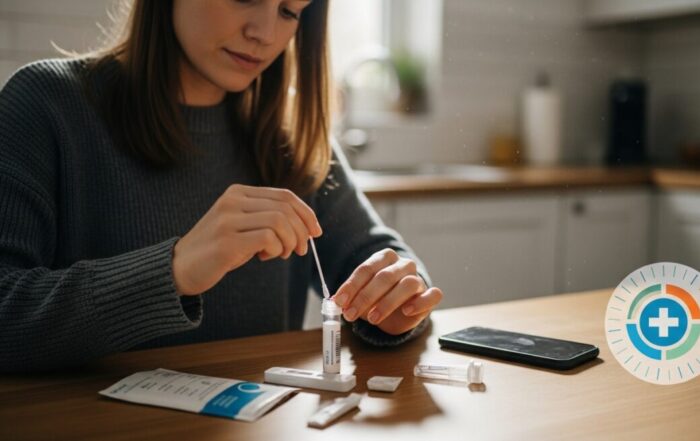
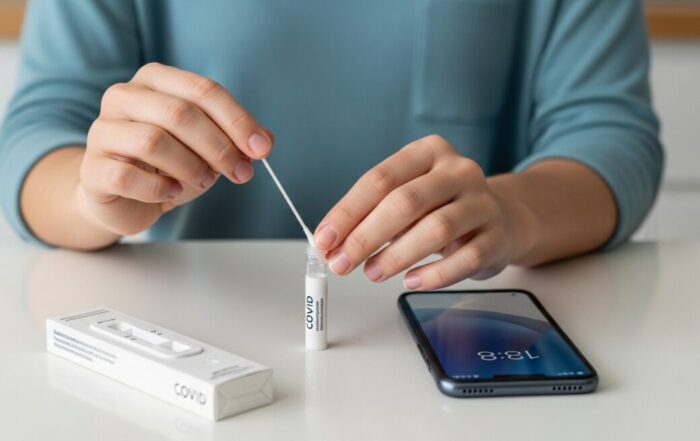
- Sample Collection: Follow the instructions meticulously. This may involve fasting beforehand, collecting saliva at a specific time, or using a lancet for a blood sample. Proper collection is the foundation of a reliable result.
- Sample Return: Package your sample as directed, often using a pre-paid return mailer included in the kit. Mail it promptly to ensure sample stability.
- Receiving and Interpreting Results: Results are typically available in a secure online portal within a few days to a couple of weeks. Reports should be clear, explaining what each marker means and whether it falls within a reference range.
The most critical step comes after you receive your results. While the report provides data, interpretation within the context of your overall health is key. This is where telemedicine services, like those offered by Doctors Home, become invaluable. A virtual consultation with a licensed healthcare professional can help you understand what your results mean, determine if follow-up testing is needed, and discuss potential next steps, whether they involve lifestyle changes, further investigation, or treatment. For a deeper dive into selecting and using these kits effectively, our complete guide to at home health tests covers the nuances in detail.
The Vital Role of Telemedicine in Home Testing
Online health tests are most powerful when integrated with professional medical guidance. This is the core of a modern, patient-centered approach. Telemedicine platforms bridge the gap between at-home data collection and actionable healthcare. After receiving your results, you can schedule a virtual consultation to review them with a provider. This conversation can help differentiate between a result that is a minor deviation and one that warrants immediate attention. The provider can also order any necessary confirmatory tests through traditional labs, provide prescriptions if indicated (for example, for high cholesterol or a thyroid condition), and refer you to a specialist. This integrated model, combining convenient home testing options with seamless access to a doctor, creates a continuous loop of monitoring, consultation, and management that puts you in control of your health journey.
Limitations, Ethics, and Responsible Use
While the benefits are significant, a responsible discussion about online health tests must include their limitations. First, they are screening and informational tools, not definitive diagnostic instruments. A positive or abnormal result typically requires confirmation through a traditional clinical lab and a comprehensive evaluation by a physician. Second, not all tests are created equal. It’s essential to use companies that are transparent about the laboratories they use (look for CLIA certification) and the clinical validity of their tests. Be wary of tests that make grandiose claims or promise diagnoses for complex conditions like cancer or Alzheimer’s. Third, there is an ethical consideration regarding direct-to-consumer genetic testing, particularly around privacy, data ownership, and the potential for anxiety from uncovering genetic predispositions without proper genetic counseling. Responsible use means viewing these tests as a starting point for a dialogue with a healthcare professional, not as an end in themselves.
Frequently Asked Questions
Are at home health test results as accurate as lab tests?
Many reputable at-home tests use the same analytical methods and are processed in the same CLIA-certified labs as tests ordered by doctors. Accuracy for sample collection is high when instructions are followed precisely. The main variable is the user’s collection technique.
Will my insurance cover the cost of an online health test?
Coverage varies widely. Most direct-to-consumer tests are paid for out-of-pocket. However, if a test is ordered by a physician through a telemedicine platform as part of a consultation, it may be eligible for reimbursement. Always check with your insurance provider and the testing company.
What should I do if my results are abnormal?
Do not panic. An abnormal result is a signal to consult a healthcare professional. Schedule a virtual or in-person visit to discuss the results in the context of your health history and symptoms. The provider can guide you on the need for confirmatory testing or next steps.
Can I use these tests to monitor an existing condition?
Absolutely. Many people use at home diagnostic kits to monitor conditions like high cholesterol, diabetes (HbA1c), or thyroid disorders between doctor visits. This can provide valuable trend data for you and your provider. Always inform your doctor about the tests you are using.
How do I choose a reputable testing company?
Look for companies that use CLIA-certified/CAP-accredited labs, employ licensed healthcare professionals to review results or offer consultations, are transparent about the limitations of their tests, and have clear privacy policies protecting your health data.
The democratization of health information through online health tests is a profound advancement. By understanding what you can check at home, from basic metabolic panels to intricate hormone maps, you gain the tools to participate actively in your own care. These at home diagnostic kits offer convenience, privacy, and the power of early detection. Yet, their true value is unlocked when paired with professional insight. By integrating these home testing options with the expertise of telemedicine professionals, you create a powerful, personalized, and proactive health management system that fits your life and empowers your long-term well-being.
About the Author: Olivia Bennett


Sign up for our newsletter and Save 20% on Test Kits
"*" indicates required fields