
Online Health Assessment Tools: Benefits, Limits, and Best Use
Online Health Assessment Tools: Benefits, Limits, and Best Use
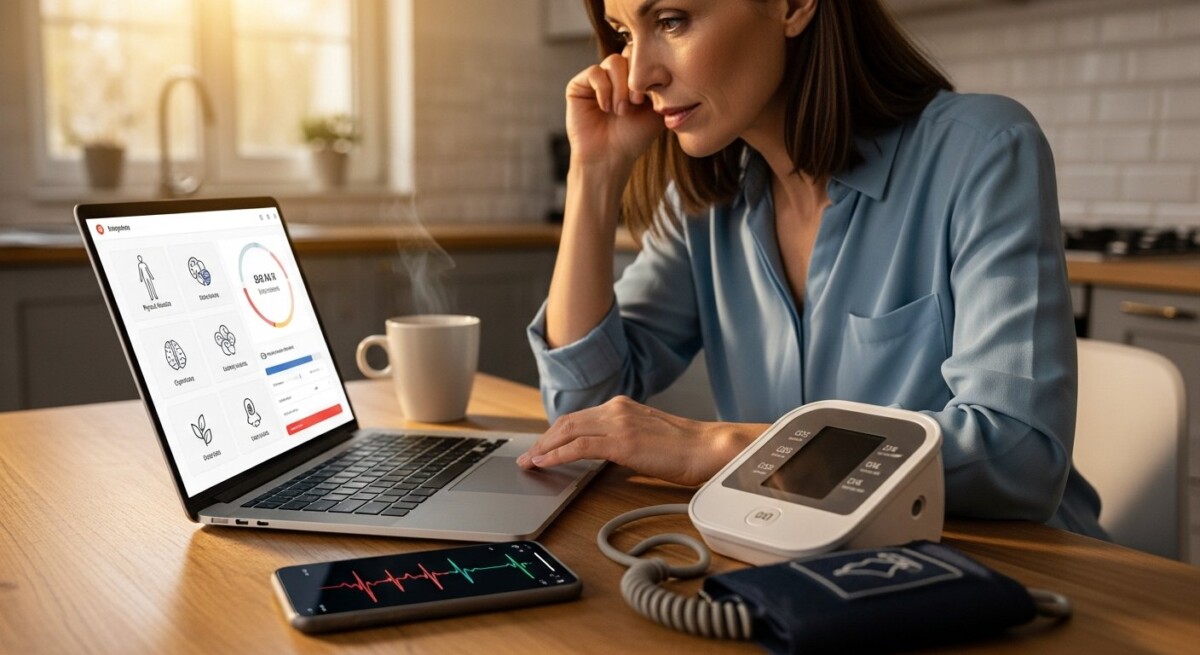
Imagine having a preliminary check on your health from your living room, before you even consider scheduling a doctor’s appointment. This is the promise of online health assessment tools, digital questionnaires and algorithms designed to evaluate symptoms, estimate risks, and provide general health guidance. These tools have proliferated across websites, telehealth platforms, and mobile apps, offering a new layer of engagement between patients and the healthcare system. While they represent a significant advancement in proactive health management, understanding their proper role, their undeniable benefits, and their critical limitations is essential for using them safely and effectively. They are not a replacement for professional medical diagnosis, but rather a modern starting point for a more informed health journey.
What Are Online Health Assessment Tools?
Online health assessment tools are interactive digital instruments that gather user-inputted data to generate personalized health information. They range from simple symptom checkers to complex risk calculators for chronic diseases. At their core, they function by using branching logic algorithms: your answers to initial questions determine the subsequent questions you are asked, gradually narrowing down potential explanations or risk profiles. The data collected can include current symptoms, medical history, family history, lifestyle factors (like diet and exercise), and vital signs if you have the means to input them.
The output varies widely. Some tools provide a list of possible conditions that might explain your symptoms, often ranked by likelihood. Others, particularly those focused on chronic disease, generate a risk score, such as your 10-year risk of developing cardiovascular disease or type 2 diabetes. Many are designed for specific purposes, like mental health screenings (e.g., for depression or anxiety), dermatological evaluations where you upload a photo of a skin concern, or pre-consultation forms for telehealth services. In the latter case, these tools streamline the virtual visit by giving the provider a comprehensive overview before the conversation even begins, making consultations more efficient.
The Tangible Benefits of Using Digital Health Assessments
The rise of these tools is not without reason. They offer several compelling advantages that align with the broader goals of modern, patient-centered healthcare. First and foremost, they promote health awareness and education. By engaging with a structured assessment, individuals are prompted to think critically about their health, recognize patterns in their symptoms, and learn about potential conditions. This process can empower users to have more productive conversations with healthcare professionals.
Secondly, they significantly enhance accessibility and convenience. For individuals in remote areas, those with mobility issues, or people with demanding schedules, these tools provide a 24/7 gateway to preliminary health information. They lower the initial barrier to seeking care, which can be crucial for early intervention. Furthermore, they can help with healthcare navigation. A tool might correctly suggest that a persistent cough warrants a professional evaluation, potentially guiding someone to seek care for bronchitis through a telehealth service rather than dismissing it. For example, our article on getting bronchitis treatment online details how digital tools can facilitate that specific care pathway.
From a systemic perspective, these tools can improve efficiency. When used as pre-visit intake forms, they save valuable time during the actual clinical encounter, allowing the provider to focus on analysis and discussion rather than basic data collection. For managing chronic diseases, regular digital assessments can help track progress between appointments, providing a more continuous stream of data to the care team.
Critical Limitations and Necessary Cautions
Despite their utility, online health assessment tools come with serious caveats that users must acknowledge. The most significant limitation is that they cannot provide a medical diagnosis. They are algorithmic, not clinical. They lack the ability to perform a physical examination, observe nuanced cues, or apply professional judgment honed by years of training and experience. Relying on a tool’s output as a definitive answer is dangerous and can lead to misdiagnosis, either by causing undue alarm over a minor issue or, more perilously, by providing false reassurance for a serious condition.
Another major concern is data quality. The output is only as good as the input. Users may misinterpret questions, forget relevant details of their medical history, or inaccurately describe a symptom. This garbage-in, garbage-out problem can lead to misleading results. Additionally, the algorithms themselves are proprietary and vary in quality. Not all tools are built on robust, peer-reviewed clinical evidence, and some may be influenced by commercial interests.
Privacy and data security are paramount. You are sharing sensitive personal health information (PHI) with a digital entity. It is essential to use tools from reputable sources, such as established medical institutions, government health agencies, or trusted telehealth platforms with clear, stringent privacy policies. Always review the privacy policy before submitting any information.
Best Practices for Safe and Effective Use
To harness the benefits of online health assessment tools while mitigating the risks, follow a framework of informed and cautious use. Your approach should always position the tool as an adjunct to, not a substitute for, professional care.
First, choose your tool wisely. Prioritize assessments developed by credible organizations: major hospitals, universities, government health departments (like the CDC or NIH), or established, licensed telehealth providers. Look for disclosures about the evidence base behind the tool. Second, be meticulously honest and thorough when inputting your information. Treat it with the same seriousness you would a doctor’s inquiry.
Third, and most importantly, use the output as a discussion starter, not a conclusion. The generated information is a piece of data to bring to a healthcare professional. It can help you articulate your concerns more clearly. For instance, if a dermatology assessment tool suggests a skin lesion should be evaluated, it empowers you to seek a professional opinion efficiently. Our guide on getting an acne prescription online illustrates how digital assessments integrate into a legitimate treatment pathway under clinician supervision.
Finally, know when to bypass the tool altogether. Seek immediate professional care for severe or emergency symptoms such as chest pain, difficulty breathing, sudden weakness, severe bleeding, or thoughts of harming yourself or others. No online tool is appropriate for acute emergencies.
Integrating Assessments with Professional Telehealth
The most powerful application of online health assessment tools is within a structured telehealth ecosystem. Here, the tool transitions from a standalone, informational resource to an integrated component of a clinical workflow. Reputable telemedicine platforms use these tools as sophisticated digital intake forms. The patient completes the assessment, which then becomes part of their secure electronic health record for the reviewing clinician.
This integration creates a seamless continuum of care. The provider reviews the assessment data before the live video or phone consultation, allowing them to be prepared with focused questions. This makes the consultation time far more efficient and productive. The clinician can then use their expertise to interpret the algorithmic output in the full context of a direct interaction, asking follow-up questions, providing visual observation during a video call, and ultimately making a professional judgment. In this model, the online health assessment tool enhances the telehealth visit rather than attempting to replace it, ensuring patient safety and clinical validity.
Frequently Asked Questions
Are online health assessment tools accurate?
Their accuracy is highly variable and depends on the quality of the algorithm and the accuracy of user-inputted data. They are designed for estimation and guidance, not for definitive diagnosis. Always verify their findings with a licensed healthcare provider.
Can these tools prescribe medication?
No. Only a licensed healthcare provider (a doctor, nurse practitioner, or physician assistant, depending on state law) can prescribe medication after a proper evaluation. Some tools may be part of a telehealth service that leads to a prescription if the provider deems it medically appropriate.
How do I know if a health assessment tool is trustworthy?
Check the source. Tools from accredited medical centers, government health agencies, or established telehealth companies with transparent privacy policies are generally more reliable. Be wary of tools that make definitive diagnostic claims or seem to be selling a specific product.
Is my data safe when I use these tools?
It can be, but you must be proactive. Only use tools from providers with a clear, accessible privacy policy that states they comply with health data protection laws like HIPAA. Avoid inputting sensitive information into casual, non-secure websites or apps.
What is the main takeaway for using these tools?
Use them for education, awareness, and to prepare for a conversation with your doctor. Never use them to self-diagnose or to avoid seeking professional medical care for persistent or serious symptoms.
Online health assessment tools are a testament to the digital transformation of healthcare, offering unprecedented access to personalized health information. They serve as valuable instruments for education, early screening, and preparing for more meaningful engagements with healthcare professionals. However, their value is unlocked only when used with a clear understanding of their supportive role. They are the map that can help you navigate the complex terrain of your health, but they are not the compass of professional medical judgment. By combining the convenience of digital self-assessment with the irreplaceable expertise of a licensed clinician, particularly through integrated telehealth platforms, we can move towards a more proactive, informed, and efficient model of healthcare for everyone.
About the Author: Steven Walker





Sign up for our newsletter and Save 20% on Test Kits
"*" indicates required fields