

Online Doctor Consultation Services: A Guide to Virtual Medical Care
Online Doctor Consultation Services: A Guide to Virtual Medical Care
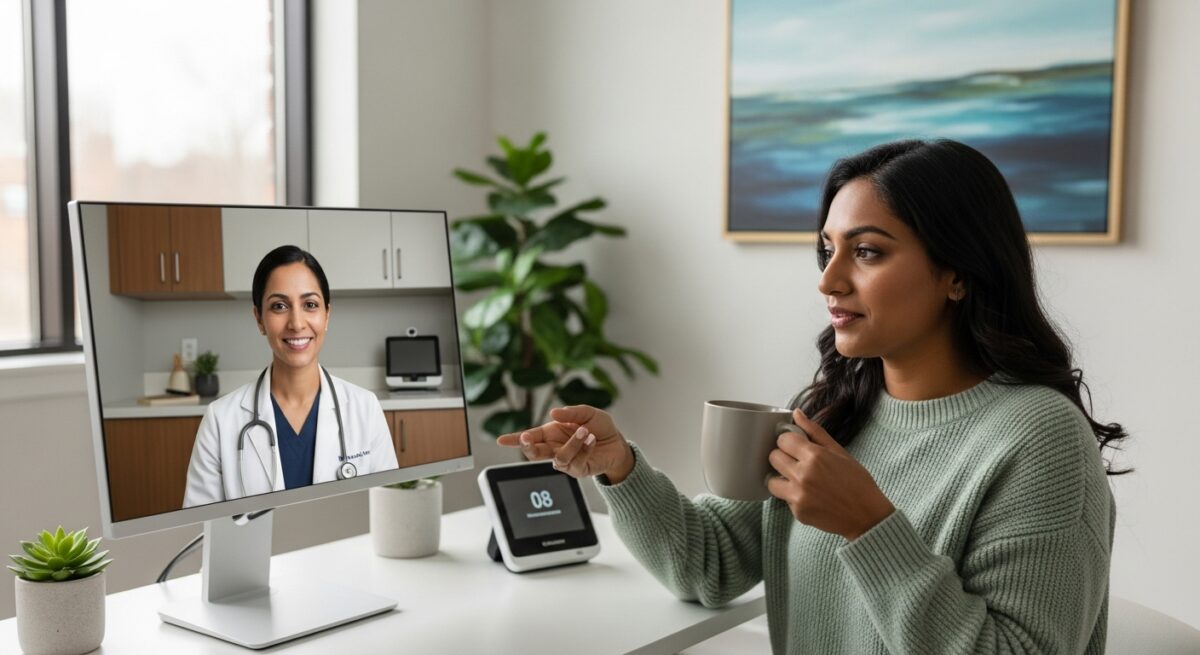
Imagine receiving expert medical advice, a diagnosis for a non-emergency condition, or a prescription refill without leaving your home, waiting in a crowded office, or rearranging your entire day. This is the fundamental promise of online medical doctor consultation and advice services, a transformative component of modern healthcare that leverages digital technology to bridge the gap between patients and licensed providers. For millions, these platforms have evolved from a novel convenience to an essential healthcare access point, offering a practical solution for managing everything from acute illnesses like sinus infections and UTIs to chronic condition follow-ups and prescription renewals. As telemedicine solidifies its role in the care continuum, understanding how to effectively utilize these services is key to unlocking their full potential for your health and well-being.
What Are Online Medical Doctor Consultation Services?
Online medical doctor consultation services, often called telemedicine or telehealth visits, are secure digital platforms that connect patients with licensed healthcare professionals via video, phone, or secure messaging. These are not AI chatbots or symptom checkers, but real-time, confidential consultations with doctors, nurse practitioners, or physician assistants who can diagnose, advise, and treat a wide array of conditions. The scope is carefully defined to ensure patient safety, typically covering common ailments, mental health support, dermatology issues, chronic disease management, and preventive care. It is critical to understand that these services are designed for non-emergent situations, and platforms like Doctors Home maintain clear guidelines, directing patients to seek in-person emergency care for severe symptoms like chest pain, difficulty breathing, or stroke signs.
The model operates on a foundation of accessibility and efficiency. Patients typically create an account on a platform’s website or app, provide their medical history and current symptoms, and then schedule or request an on-demand consultation. The consultation itself occurs in a private, digital “exam room,” where the provider conducts a visual assessment, asks detailed questions, and reviews the submitted information. Based on this clinical evaluation, the provider can offer a diagnosis, develop a treatment plan, prescribe medications when appropriate and legally permitted, order lab tests, or recommend a follow-up with a specialist or in-person care. This process demystifies the patient journey, making healthcare more predictable and less time-consuming.
The Core Benefits of Virtual Doctor Visits
The adoption of online doctor consultation services is driven by a compelling set of advantages that address long-standing pain points in traditional healthcare. The most immediate benefit is unparalleled convenience. Patients save hours otherwise spent commuting, sitting in traffic, and waiting in lobbies. This is especially valuable for parents with young children, individuals with mobility challenges, those living in rural areas with limited specialist access, and busy professionals. The ability to have a visit during a lunch break or after putting children to bed removes significant logistical barriers to seeking care.
Beyond convenience, these services enhance access to care. They effectively shrink geographic distances, allowing patients to connect with providers who may be licensed in their state but physically located elsewhere. This can be crucial for finding specialists in mental health, dermatology, or rare conditions. Furthermore, the reduced overhead for providers often translates to lower costs for patients, with transparent pricing that avoids surprise facility fees. Many services also offer flat-rate consultation fees, which can be more affordable than a traditional co-pay for some insurance plans. The privacy and comfort of receiving care from one’s own home can also lead to more open and honest communication, particularly for sensitive issues like sexual health, mental health, or dermatological concerns.
To maximize the value of a virtual visit, proper preparation is essential. Consider the following steps to ensure a productive consultation:
- Gather Information: Write down your primary symptoms, their duration, and any factors that make them better or worse. Note your current medications, allergies, and relevant medical history.
- Check Your Tech: Ensure your device (computer, tablet, phone) has a working camera, microphone, and speaker, and a stable internet connection. Test the platform beforehand if possible.
- Find a Suitable Space: Choose a quiet, private, and well-lit room for the consultation. Good lighting is especially important for visual exams.
- Prepare Visually: If your concern is visible (e.g., a rash, skin condition, eye irritation), be ready to show it clearly on camera. You may need a helper to hold the camera steady.
- Have Your Tools Ready: Keep a thermometer, blood pressure cuff, or other home monitoring devices nearby if your symptoms relate to vital signs.
Following these steps empowers you to be an active participant in your care and helps the provider gather the clinical information needed for an accurate assessment. For a deeper dive into preparing for and navigating these virtual appointments, our guide on online doctor consultations provides a comprehensive walkthrough.
Conditions Best Suited for Online Treatment
Online medical doctor consultation services excel in managing a specific subset of healthcare needs. Understanding which conditions are appropriate for virtual care is key to using these services safely and effectively. The general rule is that any condition requiring a hands-on physical exam, complex diagnostic imaging, or immediate emergency intervention is not suitable for a purely online visit. However, the list of treatable conditions is extensive and growing as technology and clinical protocols advance.
Common acute illnesses are a primary use case. These include upper respiratory infections (colds, sinusitis, bronchitis), urinary tract infections (UTIs), allergies, pink eye (conjunctivitis), and seasonal flu. For these, a provider can often diagnose based on symptoms, history, and a visual exam via video. Chronic disease management is another strong suit. Patients with stable conditions like hypertension, diabetes, thyroid disorders, or high cholesterol can use online consultations for routine medication management, review of home-monitored data (like glucose or blood pressure logs), and lifestyle counseling. Mental health support has seen tremendous growth through telemedicine, with therapy and psychiatric medication management being effectively delivered online.
Platforms like Doctors Home have also developed specific expertise in areas like dermatology and prescription management for defined conditions. For instance, a recurring rash, acne, eczema, or psoriasis can often be assessed visually. Furthermore, services for prescription renewal or initiation for non-narcotic medications for conditions like herpes virus outbreaks or eye allergies are core offerings. In these cases, the platform’s focused approach allows for efficient, specialized care. It is always the provider’s duty to determine if an in-person evaluation is necessary, and they will not hesitate to make that referral to ensure patient safety.
Integrating At-Home Testing with Virtual Consultations
A powerful synergy exists between online doctor consultations and the expanding world of at-home health testing kits. This integration creates a more comprehensive virtual care model, allowing for data-driven diagnoses and management without an initial lab visit. The process typically works in a coordinated sequence: during or after an online consultation, a provider may determine that lab work is needed to confirm a diagnosis, monitor a condition, or check medication levels. Instead of sending the patient to a physical lab, the provider can order a specific at-home test kit directly to the patient’s address.
The patient then collects the sample (which could be blood from a finger prick, saliva, urine, or a swab) following detailed instructions in the kit, and mails it back to a certified laboratory for analysis. Once the results are processed, they are sent securely to the ordering provider, who reviews them and follows up with the patient via the same online platform to discuss the findings and adjust the treatment plan accordingly. This closed-loop system is remarkably efficient. It is particularly useful for monitoring chronic conditions (like cholesterol or HbA1c for diabetes), checking for infections (like UTIs or STIs), assessing hormone levels, or screening for certain deficiencies.
This model offers profound benefits. It maintains the continuity of care entirely within a convenient, remote framework, which is a significant advantage for those with time constraints, mobility issues, or anxiety about clinical settings. It also empowers patients to take a more active role in their health data. However, it requires choosing a reputable platform that partners with CLIA-certified labs to ensure result accuracy and maintains strict protocols for sample collection and handling. When used appropriately, the combination of a professional online doctor consultation and reliable at-home testing creates a robust and patient-centric healthcare experience.
Ensuring Safety, Privacy, and Quality in Digital Health
As with any healthcare service, safety, privacy, and quality are non-negotiable pillars. Reputable online medical consultation platforms invest heavily in these areas to build trust and ensure compliance with stringent regulations like HIPAA (Health Insurance Portability and Accountability Act) in the United States. From a safety standpoint, a primary safeguard is the rigorous vetting of providers. Every clinician on a legitimate platform must be fully licensed in the state where the patient is located, with their credentials verified. The platform’s clinical protocols should include clear guidelines on appropriate use cases and explicit directives for when to refer to emergency or in-person care.
Data security is paramount. All consultations should occur on encrypted, HIPAA-compliant video and messaging platforms, not on general-purpose consumer apps. Medical records and personal health information (PHI) must be stored with enterprise-grade security. Patients should review a platform’s privacy policy to understand how their data is used and protected. Quality of care is maintained through structured clinical workflows that guide providers, comprehensive intake forms that capture necessary medical history, and systems for secure prescription transmission to pharmacies when indicated. Patients can assess quality by looking for platforms that are transparent about their provider licensing, offer clear pricing, and have mechanisms for patient feedback or reviews.
To help you evaluate a service, here are key markers of a trustworthy online medical consultation platform:
- Transparent Provider Credentials: Clearly displays licenses, certifications, and biographies for all clinicians.
- HIPAA-Compliant Technology: Uses secure, encrypted video and messaging designed for healthcare, not consumer apps.
- Clear Scope of Practice: Explicitly states which conditions can and cannot be treated, with strong emergency disclaimers.
- Integrated Pharmacy & Lab Networks: Has established pathways for e-prescribing to major pharmacies and partnerships with certified labs for testing.
- Responsive Customer Support: Provides accessible support for technical issues, billing questions, and follow-up care coordination.
Frequently Asked Questions About Online Doctor Services
Are online prescriptions legitimate? Yes, when issued by a licensed provider following a bona fide patient-provider relationship established via a telemedicine consultation, electronic prescriptions are legally valid and can be sent directly to your local or mail-order pharmacy. Controlled substances have stricter federal and state regulations and are typically not prescribed via initial online consultations.
Will my health insurance cover an online doctor visit? Coverage has expanded significantly. Many private insurers, Medicare, and Medicaid now cover telemedicine visits, often at a similar rate to in-person visits. However, coverage varies by plan and state. It is crucial to check with your insurance provider. Many platforms, including Doctors Home, also offer affordable self-pay options for those without coverage or with high deductibles.
How do I know if my condition is appropriate for an online consultation? Reputable platforms provide clear guidelines on their websites. Generally, if your condition is non-emergent, can be diagnosed through discussion and visual examination, and does not require hands-on testing or imaging, it may be suitable. The provider will make the final determination during the visit and will direct you to in-person care if needed.
What if I need a lab test or imaging? Many services can order lab tests for you. You may be directed to a local lab, or the platform may offer at-home testing kits. For imaging like X-rays or MRIs, you will typically be referred to a local imaging center, and the results can be reviewed in a follow-up online consultation.
Is my medical information kept private? Legitimate telemedicine companies are bound by HIPAA, just like your doctor’s office. This means they must use secure, encrypted platforms for communication and have strict policies to protect your health data. Always review the platform’s privacy policy before use.
Online medical doctor consultation and advice services represent a fundamental shift toward more accessible, patient-centered healthcare. They are not a replacement for all in-person medicine but a powerful complement that addresses many routine and chronic care needs with remarkable efficiency. By understanding how these services work, when to use them, and how to choose a reputable provider, you can confidently integrate this tool into your personal healthcare strategy. This approach empowers you to take proactive control of your health, saving time and reducing stress while maintaining a vital connection to licensed medical professionals.
About the Author: Olivia Bennett




Sign up for our newsletter and Save 20% on Test Kits
"*" indicates required fields