

Neurology Telemedicine: Virtual Care for Neurological Conditions
Neurology Telemedicine: Virtual Care for Neurological Conditions

For millions of Americans living with neurological conditions, from chronic migraines and epilepsy to Parkinson’s disease and multiple sclerosis, accessing specialized care has long been a significant challenge. Geographic barriers, mobility limitations, and a nationwide shortage of neurologists have created vast care deserts, leaving patients with long wait times and arduous travel requirements. The emergence of neurology telemedicine, a specialized branch of telehealth neurology services, is fundamentally changing this landscape. By leveraging secure video conferencing, digital symptom trackers, and remote monitoring tools, virtual neurology care delivers expert consultation, ongoing management, and critical follow-up directly to patients, wherever they are. This model is not merely a convenient alternative, it is a vital expansion of access that is improving outcomes and quality of life for a patient population that needs it most.
What Is Neurology Telemedicine and How Does It Work?
Neurology telemedicine, often referred to as teleneurology, is the remote diagnosis and management of disorders affecting the brain, spinal cord, nerves, and muscles. It utilizes digital communication technologies to facilitate a real-time, interactive encounter between a patient and a neurologist or other qualified neurology provider. This virtual care model is designed to be comprehensive, covering initial consultations, follow-up visits, medication management, and patient education for a wide spectrum of conditions.
The process typically begins with a patient scheduling an appointment through a secure platform like Doctors Home. Prior to the visit, patients may be asked to upload relevant medical records, imaging results (like MRI or CT scans), and a list of current medications. During the appointment, which is conducted via high-quality video, the neurologist conducts a detailed history and performs a directed neurological exam. This exam can be surprisingly thorough virtually, assessing speech, eye movements, facial symmetry, coordination (by observing tasks like finger-to-nose), gait (if a caregiver is present), and strength. For certain conditions, such as headaches or seizures, digital diaries and symptom logs that patients maintain beforehand become invaluable diagnostic tools.
Conditions Effectively Managed Through Virtual Neurology Care
A common misconception is that neurology requires purely hands-on physical examination. While in-person visits are irreplaceable for certain acute or complex procedures, a substantial portion of neurological care is based on history, review of data, and visual observation, making it highly amenable to telehealth. Neurology telemedicine virtual care for neurological conditions has proven effective for managing numerous chronic and episodic disorders.
Headache disorders, including migraine and tension-type headaches, are ideally suited for telehealth. Management revolves around discussing trigger identification, medication efficacy, and adjusting preventive and abortive treatment plans, all of which can be accomplished virtually. For epilepsy, follow-up visits to review seizure frequency, medication side effects, and lab results are highly efficient via telemedicine, reducing the burden on patients and caregivers. Neuromuscular conditions like Parkinson’s disease benefit from regular medication regimen assessments and evaluations of motor function, which can be observed via video. Multiple sclerosis (MS) follow-ups often focus on reviewing new symptoms, MRI results, and the tolerability of disease-modifying therapies, a perfect fit for virtual check-ins. Other conditions well-managed include neuropathies (like diabetic neuropathy), restless legs syndrome, and certain sleep disorders. Furthermore, telehealth neurology services are instrumental in providing second opinions and post-hospitalization follow-up, ensuring continuity of care.
The Tangible Benefits of Telehealth Neurology Services
The advantages of integrating neurology telemedicine into a patient’s care plan are multifaceted, impacting clinical, logistical, and financial aspects of health. The most prominent benefit is dramatically improved access. Patients in rural or underserved areas gain a lifeline to sub-specialists they would otherwise have to travel hundreds of miles to see. This also applies to patients with mobility challenges, transportation issues, or those who rely on caregiver assistance for travel. The convenience reduces missed appointments and improves adherence to follow-up schedules.
From a clinical perspective, virtual care can lead to more timely interventions. Patients can schedule visits sooner when new symptoms arise, rather than waiting months for an in-person slot. This proactive management can prevent complications and hospitalizations. The comfort of being in one’s own home can also lead to more open and detailed conversations, giving the neurologist a better understanding of the patient’s daily life and challenges. Financially, patients save significantly on travel costs, parking, and time off work. For the healthcare system, it improves provider efficiency and helps triage which patients truly need in-person, resource-intensive evaluations.
Preparing for a Successful Virtual Neurology Appointment
To maximize the effectiveness of a neurology telemedicine visit, preparation is key. A well-prepared appointment ensures the neurologist has all necessary information to make informed decisions, mirroring the efficiency of an in-person consultation. Patients should approach a virtual visit with the same seriousness as an office appointment.
First, ensure you have a reliable internet connection and a device with a working camera and microphone. Test the platform beforehand. Choose a quiet, private, and well-lit room where you will not be interrupted. Have all relevant materials ready and organized. This preparation transforms the virtual space into an effective clinical environment.
Essential items to gather include:
- Medical History: A concise list of your neurological diagnosis, other medical conditions, and past surgeries.
- Medication List: An updated list of all medications, including dosages and how often you take them. Include over-the-counter supplements.
- Symptom Diary/Logs: For conditions like headaches or seizures, a detailed log of frequency, severity, duration, and potential triggers is invaluable.
- Previous Test Results: Have reports from recent MRIs, CT scans, EEGs, or blood tests available. You may have uploaded these, but have them on hand for reference.
- Questions: Write down your top questions or concerns beforehand so you don’t forget them during the visit.
If your visit involves a potential new prescription, it’s helpful to understand the process. Many telemedicine platforms, including Doctors Home, have streamlined this. You can learn more about the general workflow in our guide on how to get a prescription through a virtual doctor consultation.
Technology and Tools Enhancing Virtual Neurological Care
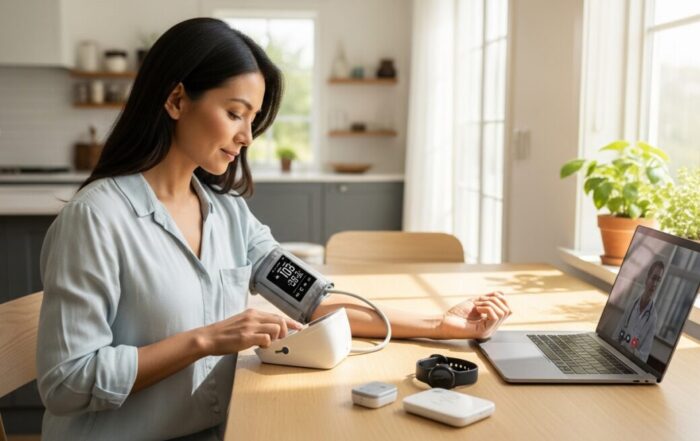
The efficacy of neurology telemedicine is supercharged by a suite of digital health technologies that extend the clinician’s reach beyond the video screen. These tools facilitate remote monitoring and objective data collection, creating a more complete picture of a patient’s health between visits. Digital symptom trackers and headache or seizure diaries allow patients to record events in real-time, generating trends and reports that are far more accurate than retrospective recall. Wearable devices can track tremors in Parkinson’s disease, monitor sleep patterns, or even detect potential seizure activity through motion and physiological sensors.
Peripheral devices, sometimes provided by telehealth programs, enable patients to perform simple neurological tests at home. These can include a digital stethoscope for a caregiver to assist with a heart and lung exam, a pulse oximeter, or a high-quality webcam for close-up visual inspection. Furthermore, secure patient portals are integral, serving as a hub for messaging, sharing lab results, and educational resources. This ecosystem of technology creates a hybrid care model where data-driven virtual visits are complemented by precise, scheduled in-person exams when absolutely necessary, optimizing the use of both patient and provider time.
Addressing Limitations and Ensuring Quality in Teleneurology
While transformative, neurology telemedicine virtual care for neurological conditions is not a panacea and has inherent limitations that must be acknowledged. The most significant is the inability to perform a complete hands-on neurological examination. Assessments of reflexes, detailed sensory testing, and specific strength grading are challenging or impossible to do remotely. There are also technological barriers, such as the digital divide, where some patients lack the necessary devices, internet bandwidth, or digital literacy to participate effectively.
To ensure high-quality care, responsible telehealth neurology services operate within clear guardrails. Reputable providers will conduct a thorough initial screening to determine if a patient’s condition and needs are appropriate for a virtual visit. They establish explicit protocols for when an in-person referral is mandatory, such as for new, progressive weakness, acute stroke symptoms, or when a detailed physical exam is critical for diagnosis. The patient’s safety and the integrity of the clinical decision are always paramount. The goal of teleneurology is not to replace all in-person care, but to integrate seamlessly with it, creating a flexible, patient-centric continuum of care.
Frequently Asked Questions About Neurology Telemedicine
Is neurology telemedicine as effective as an in-person visit?
For many follow-up appointments, medication management consultations, and reviews of chronic stable conditions, it is just as effective. For new, complex diagnostic challenges or conditions requiring a hands-on exam, an in-person visit may be necessary. A qualified tele-neurologist will determine the appropriate setting for your care.
Will my insurance cover a virtual neurology visit?
Coverage has expanded dramatically. Most private insurers, Medicare, and Medicaid now cover telehealth visits at parity with in-person visits. It is always advisable to check with your specific insurance plan for details on copays and coverage requirements.
Can I get an MRI or other test ordered through a telemedicine visit?
Yes. A licensed neurologist can order necessary tests, such as lab work or imaging, based on a virtual consultation. They will typically order them at a facility near your home and review the results with you in a follow-up virtual visit.
What if I have a neurological emergency during a virtual visit?
Telemedicine providers have protocols for emergencies. If you experience symptoms of a stroke (sudden weakness, slurred speech, facial drooping) or another acute neurological event, the provider will instruct you or a caregiver to call 911 immediately. Telemedicine is not for emergency care.
How do I share my previous medical records with a tele-neurologist?
Most secure platforms have a patient portal where you can upload documents, or you can have your previous doctor’s office fax records directly to the telehealth provider. Having these records available before your appointment is crucial for a productive consultation.
Neurology telemedicine represents a profound and necessary evolution in the delivery of neurological care. By breaking down traditional barriers of distance and mobility, it places expert care within reach for those who need it most. As technology continues to advance and integrate with clinical practice, virtual care will become an even more seamless and indispensable component of a comprehensive neurological treatment plan, ensuring that quality care is defined not by proximity to a major medical center, but by access to expertise and compassionate support.
About the Author: Rachel Nguyen




Sign up for our newsletter and Save 20% on Test Kits
"*" indicates required fields