

Medicare Telehealth Services: A Patient’s Essential Guide
Medicare Telehealth Services: A Patient’s Essential Guide

For millions of Americans on Medicare, accessing healthcare no longer always requires a trip to the doctor’s office. The expansion of Medicare telehealth services has fundamentally changed how beneficiaries receive care, offering a vital link to medical professionals from the comfort and safety of home. This shift, accelerated by necessity, has become a permanent and valuable feature of the Medicare program. Understanding the rules, coverage, and practical steps for using these services is crucial for maximizing your benefits and maintaining your health efficiently. Whether you manage a chronic condition, live in a rural area, or simply seek convenient care, knowing what Medicare covers for virtual visits can empower you to make informed decisions about your healthcare journey.
Understanding Medicare Telehealth Coverage and Eligibility
Medicare telehealth, often called virtual doctor visits, is not a separate benefit but a different way to deliver covered Medicare Part B services. This means the service you receive via video or audio must be a service that Medicare already covers if provided in-person. The Centers for Medicare & Medicaid Services (CMS) has made many of the temporary expansions from the public health emergency permanent, broadening access significantly. Original Medicare (Part A and Part B) covers telehealth, and Medicare Advantage (Part C) plans are required to cover at least the same telehealth services that Original Medicare covers, though many offer additional virtual benefits as part of their plan offerings.
Eligibility for Medicare telehealth is straightforward: you must be enrolled in Medicare Part B. There is no longer a requirement to live in a rural area, a major change that opened access to all beneficiaries regardless of location. Furthermore, patients can now receive telehealth services from their home, or any other location, including community health centers, hospitals, and skilled nursing facilities. The provider, however, must be qualified and licensed to provide the service and must be able to offer the service via telehealth under state law. It is important to verify that your specific healthcare provider offers telehealth appointments and accepts Medicare assignment for those services.
What Services Are Covered by Medicare Telehealth?
The list of services eligible for Medicare telehealth reimbursement is extensive and continues to grow. It encompasses a wide range of consultations, evaluations, and management services. Common covered services include office visits, psychotherapy, consultations, and certain preventive health screenings. For patients with chronic conditions, Medicare telehealth is a game-changer, allowing for regular check-ins for disease management of diabetes, heart disease, hypertension, and mental health conditions without the burden of travel. Medication management appointments, including reviews and discussions about prescriptions for conditions like herpes virus or eye allergies, can often be conducted effectively through a secure virtual platform.
Other specific covered services include annual wellness visits, alcohol and substance abuse assessments, and individual and group therapy. Certain services require a video connection that allows for real-time, two-way audio and video communication. However, for some services, Medicare has made allowances for audio-only telephone calls (not a smartphone app) when the patient is unable to use, or does not consent to, two-way video technology. This is particularly important for ensuring access for beneficiaries who may lack broadband internet or digital literacy. Always check with your provider’s office to confirm the modality they use and whether it is covered for your specific appointment type.
Chronic Care Management and Remote Monitoring
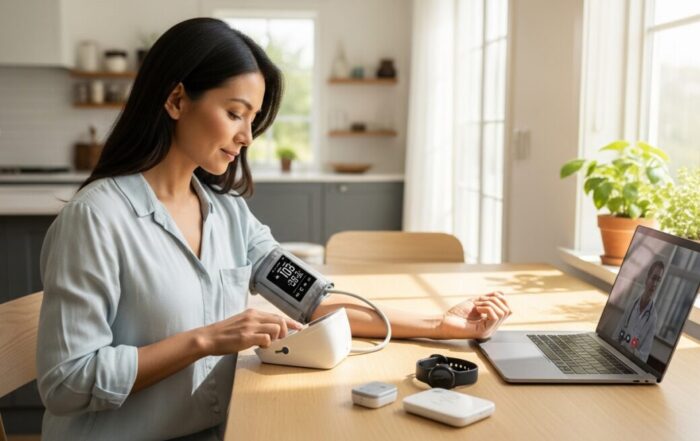
A significant and valuable aspect of Medicare telehealth involves chronic care management (CCM) and remote physiologic monitoring (RPM). These are not single visits but ongoing services for patients with two or more chronic conditions expected to last at least 12 months. CCM services include developing a care plan, reviewing medications, and coordinating care with other providers, all of which can be performed remotely. RPM involves the use of digital devices to collect and transmit health data (like blood pressure, weight, or blood glucose) to your care team. Medicare covers these monitoring services, which empower patients to manage their health proactively and allow providers to intervene early if data trends are concerning. This represents a shift towards more continuous, connected care rather than episodic visits.
Costs and Billing for Virtual Care
Understanding the costs associated with Medicare telehealth services is essential to avoid surprise bills. For beneficiaries with Original Medicare, the Part B deductible and coinsurance generally apply to telehealth services just as they do for in-person visits. After you meet your Part B deductible (which changes annually), you typically pay 20% of the Medicare-approved amount for the doctor’s services. If you have a Medicare Supplement Insurance (Medigap) policy, it may cover some or all of that coinsurance. For those enrolled in a Medicare Advantage Plan, your costs will depend on your specific plan’s rules, including copayments and whether you need to use in-network providers for telehealth.
A critical point for patients is that during a telehealth visit, you should never be billed an additional “facility fee” for receiving the service from your home. The provider bills Medicare using specific telehealth place-of-service codes that indicate the visit was remote. If you receive a bill that seems incorrect, contact your provider’s billing office and your Medicare plan. It is also wise to confirm with your provider before the visit that they accept Medicare assignment for telehealth. As you explore your options for virtual care, you may find our guide on how to find telehealth services that fit your needs helpful for navigating the selection process.
How to Prepare for and Conduct a Successful Telehealth Visit
A successful Medicare virtual doctor visit requires a small amount of preparation to ensure you get the most out of your appointment. First, confirm the technology you will need. Most video visits require a smartphone, tablet, or computer with a camera, microphone, and a stable internet connection. Your provider’s office will usually send a secure link to join the visit. Test your device and connection beforehand. Find a quiet, private, and well-lit space for your appointment where you will not be interrupted. Have good lighting in front of you, not behind you, so your provider can see you clearly.
Prepare just as you would for an in-office visit. Write down a list of your symptoms, questions, and concerns. Have your current medication bottles or a detailed list ready, including dosages and how often you take them. Have your pharmacy’s name and phone number available. You may also want to have a notepad to jot down the doctor’s instructions. If you use devices like a blood pressure cuff or thermometer, have them nearby in case your provider asks you to take a reading. Being organized helps the visit stay focused on your health and ensures you don’t forget to discuss important issues.
To ensure a smooth experience, consider this checklist of items to have ready before your Medicare telehealth appointment begins:
- A list of current symptoms, including when they started and their severity.
- Your current medication list, including prescriptions, over-the-counter drugs, and supplements.
- Your pharmacy’s contact information.
- Notes from any recent related visits or hospitalizations.
- Vital sign monitors you own (blood pressure cuff, glucose meter, scale).
- Paper and pen for taking notes during the consultation.
Frequently Asked Questions About Medicare Telehealth
Do I need special equipment for a Medicare telehealth visit?
For video visits, you need a device with a camera, microphone, and speaker, such as a smartphone, tablet, or computer. For audio-only visits, a standard telephone is sufficient. Your provider will instruct you on any specific apps or software needed, which are often accessible via a web browser.
Can I get a prescription through a Medicare telehealth visit?
Yes, licensed providers can prescribe medications during a telehealth visit if it is medically appropriate. This includes medications for many conditions, such as infections, chronic disease management, and more. Controlled substances have stricter regulations, but non-controlled prescriptions are commonly issued.
Are mental health services covered via telehealth?
Yes, Medicare covers telehealth for a wide range of mental health services, including individual and group psychotherapy, psychiatric evaluations, and medication management. The patient must be located in their home, and as of 2025, an in-person visit within six months is required for initial diagnoses or treatment of a mental health condition, with follow-ups every 12 months.
What happens if I have a technical problem during my visit?
Contact your provider’s office using the phone number they provided when scheduling. Many offices have staff dedicated to helping patients with technical issues. Often, if a video connection fails, the visit can be converted to an audio-only call if clinically appropriate and covered.
Can I use telehealth for urgent care needs?
Medicare covers telehealth for evaluation of urgent, but non-emergency, medical issues. However, for life-threatening emergencies like chest pain, severe shortness of breath, or stroke symptoms, you should always call 911 or go to the nearest emergency room immediately.
Medicare telehealth services represent a powerful tool for maintaining health and accessing care with greater convenience and flexibility. By understanding your coverage, preparing for appointments, and communicating openly with your providers, you can effectively integrate virtual care into your overall healthcare strategy. This modern approach to medicine, supported by Medicare, helps bridge gaps in access, supports ongoing chronic disease management, and provides a practical solution for routine medical needs. As the landscape of digital healthcare continues to evolve, staying informed ensures you can confidently navigate your options and receive the quality care you deserve.
About the Author: Megan Patel




Sign up for our newsletter and Save 20% on Test Kits
"*" indicates required fields