

Managing Thyroid Conditions Through Telemedicine: A Modern Approach
Managing Thyroid Conditions Through Telemedicine: A Modern Approach

For millions of people living with thyroid disorders, from hypothyroidism and hyperthyroidism to Hashimoto’s disease, consistent monitoring and medication management are the cornerstones of health. Yet, the traditional model of in-person endocrinology visits, often requiring time off work and long commutes, can create significant barriers to this essential care. This is where telemedicine for thyroid issues transforms the patient experience, offering a streamlined, effective, and accessible pathway to managing these chronic conditions from the comfort of home. By leveraging secure video calls, digital messaging, and integrated at-home testing, patients and providers can now maintain a continuous, data-driven partnership that prioritizes convenience without compromising quality.
The Unique Suitability of Thyroid Care for Telehealth
Thyroid management is particularly well-suited for a virtual care model due to its heavy reliance on laboratory data and patient-reported symptoms. Unlike conditions requiring frequent physical examinations, thyroid disorders are primarily managed through interpreting blood test results (like TSH, Free T4, and T3) and adjusting medication dosages accordingly, such as levothyroxine. A telemedicine visit focuses intently on reviewing these lab numbers, discussing how a patient feels (addressing fatigue, weight changes, mood, or heart palpitations), and making precise medication adjustments. This consultative process translates seamlessly to a video or phone appointment. Furthermore, the chronic nature of thyroid disease means patients often need periodic check-ins rather than complex procedures, making routine follow-up care ideal for a virtual format. This model empowers patients in remote areas or those with mobility issues to access specialist care they might otherwise forgo.
Core Components of an Effective Thyroid Telemedicine Visit
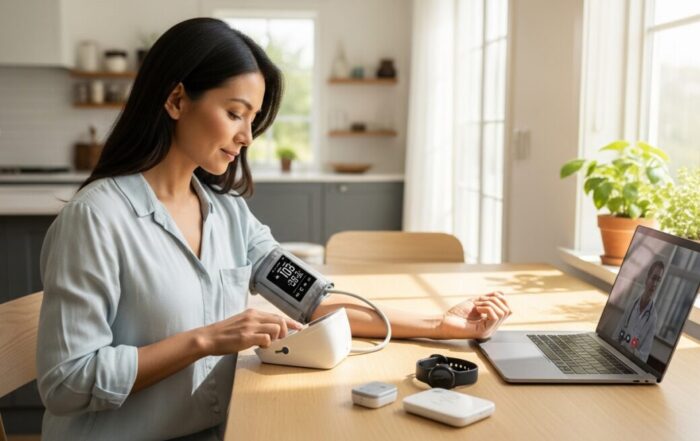
A successful virtual thyroid appointment hinges on preparation and clear communication from both patient and provider. To replicate the depth of an in-office visit, specific elements must be in place before the video call begins. The clinician needs access to current laboratory data, which is often facilitated through integrated at-home testing kits or coordinated lab draws at local facilities. Patients should be ready to discuss their symptoms in detail, have their medication bottles on hand for verification, and know their vital signs if recently taken. The structure of the visit itself typically involves a review of systems, an analysis of lab trends, a shared decision-making conversation about treatment plans, and the secure electronic transmission of any new prescriptions to a pharmacy. This process ensures comprehensive care delivery.
To maximize the effectiveness of your telemedicine for thyroid issues appointment, consider this preparation checklist:
- Recent Lab Results: Ensure your provider has access to your most recent thyroid panel, ideally from tests taken within the last 4-6 weeks.
- Symptom Journal: Note down specific symptoms, their severity, and any patterns over the last month (energy levels, sleep quality, temperature sensitivity).
- Medication List: Have the exact name, dosage, and timing of all current medications, including supplements like selenium or vitamin D.
- Vital Signs: If you have a home blood pressure cuff or thermometer, recent readings can provide valuable context.
- Questions Prepared: Write down your top concerns or questions in advance to ensure they are addressed during the limited appointment time.
Integrating At-Home Testing for Seamless Monitoring
One of the most significant advancements supporting thyroid telemedicine is the proliferation of reliable at-home testing kits. Patients can now order certified lab tests online, perform a simple finger-prick blood sample at home, and mail it to a CLIA-certified laboratory. The results are then sent directly to both the patient and their telehealth provider. This integration removes a major logistical hurdle, enabling timely data collection without a separate trip to a lab. It is particularly powerful for monitoring stable patients on long-term therapy or for those who need frequent dose-adjustment checks. When combined with the expertise of a telehealth clinician who can interpret these results in the context of your symptoms, this creates a powerful feedback loop for optimal management. For more on how digital tools are reshaping diagnostics, explore our resource on at-home testing integration in modern healthcare.
Overcoming Limitations and Ensuring Safety
While telemedicine offers remarkable benefits, it is crucial to acknowledge its boundaries in thyroid care. The initial diagnosis of a thyroid condition often requires a physical examination, such as palpating the neck for goiters or nodules. A purely virtual model may miss these physical signs. Therefore, telemedicine is best utilized for ongoing management of already-diagnosed conditions. There are also clear red flags that necessitate an in-person evaluation: the discovery of a new neck lump, severe symptoms like rapid heart rate or significant weight loss, or suspected thyroid storm. A responsible telehealth provider will recognize these limitations and promptly refer patients for in-person care when indicated. This hybrid approach, using virtual visits for routine care and in-person visits for initial diagnosis or complications, represents the future of efficient, patient-centered thyroid management.
Navigating Prescriptions and Insurance with Virtual Care
Patients often wonder about the logistics of receiving prescriptions through a telemedicine platform. Licensed telehealth providers can legally prescribe most thyroid medications, including levothyroxine and anti-thyroid drugs like methimazole, based on a virtual consultation and review of lab data. Controlled substances typically have stricter regulations. The prescription is sent electronically to a pharmacy of your choice for pickup or delivery. Regarding insurance, coverage for telemedicine visits has expanded dramatically. Most private insurers and Medicare now cover telehealth services, but patients should verify their plan’s specifics, including any copay differences. Many dedicated telehealth platforms also offer transparent, affordable self-pay options for those without coverage or with high deductibles, making care accessible. For broader insights on prescription protocols in virtual care, our article on can online doctors prescribe antibiotics outlines the regulatory and practical considerations.
Frequently Asked Questions About Thyroid Telemedicine
Can a telehealth doctor truly manage my thyroid medication effectively?
Yes. Effective thyroid management is 90% about interpreting lab results and patient symptoms, both of which can be thoroughly discussed in a virtual visit. Dose adjustments are made based on this data, just as in an office visit.
How do I get lab work done for a telemedicine appointment?
Your telehealth provider can order labs for you at a local patient service center (like LabCorp or Quest). Alternatively, you can use an integrated at-home testing kit that is mailed to you, with results shared directly with your provider.
Is telemedicine for thyroid issues covered by insurance?
Coverage is widespread but varies. Many major insurers and Medicare Part B cover telehealth visits. Always check with your insurance provider and the telemedicine service beforehand to understand your copay or coinsurance responsibility.
What if my provider finds a nodule during a virtual visit?
While a provider cannot physically examine you, they will ask about visible lumps or swallowing difficulties. If a nodule is suspected based on symptoms or prior imaging, they will order an ultrasound and refer you to an in-person specialist for further evaluation.
Can I use telemedicine for my initial thyroid diagnosis?
It is possible, but often suboptimal. An initial diagnosis may require a physical exam and comprehensive lab work that is best coordinated with an in-person visit. Telemedicine is ideal for follow-up and management after a diagnosis is established.
The integration of telemedicine into thyroid care is not a temporary trend but a fundamental shift toward more adaptable and patient-empowered healthcare. By breaking down geographical and logistical barriers, it fosters consistent engagement between patients and providers, which is critical for managing a lifelong, nuanced condition like thyroid disease. When used thoughtfully within its scope, and combined with in-person care when necessary, virtual thyroid management offers a practical, efficient, and highly effective path to achieving and maintaining optimal thyroid health.
About the Author: Matthew Sullivan




Sign up for our newsletter and Save 20% on Test Kits
"*" indicates required fields