

Managing Hypertension with Telehealth: A Modern Care Model
Managing Hypertension with Telehealth: A Modern Care Model
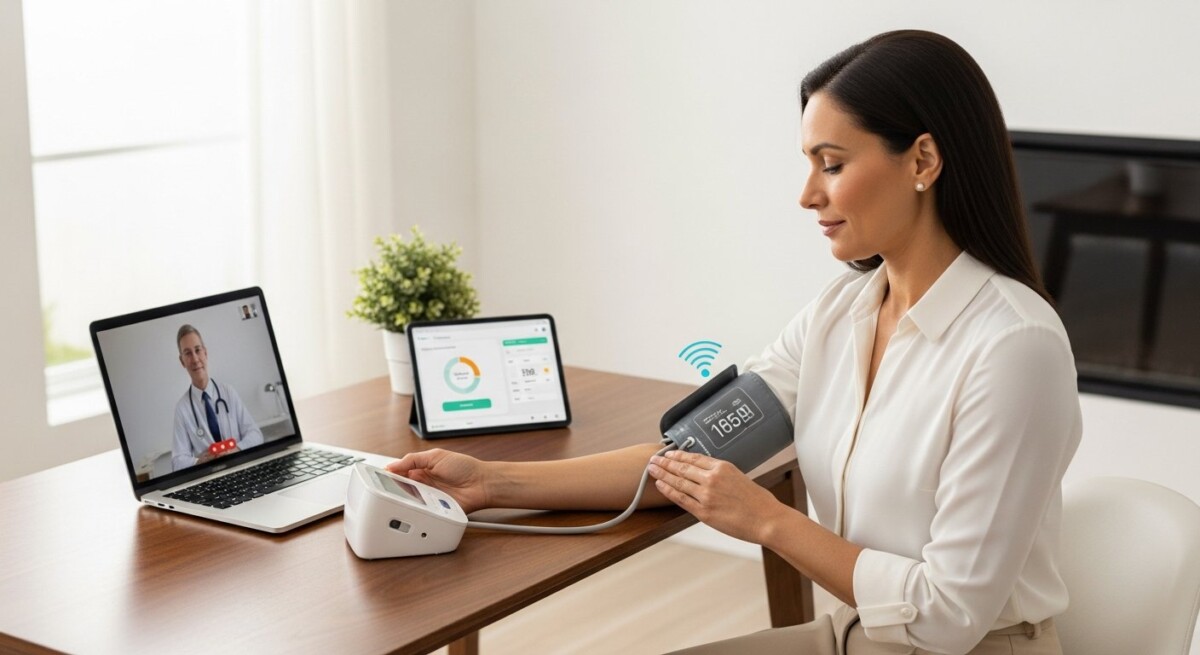
High blood pressure, or hypertension, is often called a silent killer for a reason. It typically presents no symptoms while silently damaging blood vessels, the heart, kidneys, and brain over years. Managing this chronic condition traditionally requires frequent in-person doctor visits for monitoring and medication adjustments, a process that can be burdensome, time-consuming, and a barrier to consistent care. Today, a powerful solution is reshaping this landscape: telehealth for high blood pressure. This digital approach leverages secure video calls, remote monitoring devices, and asynchronous messaging to deliver continuous, convenient, and highly effective hypertension management directly to patients, wherever they are.
The Core Components of a Telehealth Hypertension Program
Effective telehealth for high blood pressure is not merely a video call substitute for an office visit. It is a comprehensive, integrated care model built on several key pillars. The foundation is secure, HIPAA-compliant communication platforms that facilitate synchronous (real-time video or phone) and asynchronous (messaging) interactions between patient and provider. This flexibility allows for quick check-ins, detailed consultations, and easy follow-up questions without the need to schedule a full appointment for every concern.
The second, and perhaps most transformative, component is remote patient monitoring (RPM). Patients use validated, at-home blood pressure cuffs that often sync automatically with a smartphone app or web portal. This technology allows for the collection of frequent, real-world blood pressure readings, taken at consistent times and in a relaxed home environment, which can be more accurate than occasional, often elevated “white coat” readings taken in a clinical setting. This continuous stream of data provides clinicians with a far richer picture of a patient’s blood pressure trends than sporadic office measurements ever could.
The third pillar is integrated digital health tools. These include patient portals for viewing health records and test results, medication reminder apps, educational resources on diet and exercise, and platforms for logging sodium intake or physical activity. When these tools are woven together, they create a cohesive ecosystem that supports the patient’s daily management efforts and keeps them engaged in their own care.
Documented Benefits and Improved Outcomes
The adoption of telehealth for hypertension management is supported by a growing body of clinical evidence demonstrating tangible benefits. Studies consistently show that patients enrolled in remote monitoring programs achieve better blood pressure control compared to those receiving only traditional in-person care. The reason is multifaceted: more frequent data leads to more timely medication adjustments, and the convenience of the model improves adherence to both monitoring and treatment plans.
For patients, the benefits are profound. The elimination of travel time, parking costs, and time off work reduces the significant logistical and financial burden of chronic disease management. Care becomes more accessible for those in rural areas, individuals with mobility challenges, or people with demanding schedules. Perhaps most importantly, patients often report feeling more empowered and engaged in their health. With direct access to their data and easier communication with their care team, they become active partners in managing their hypertension.
Healthcare systems and providers also see advantages. Telehealth allows for more efficient use of clinical time, enabling providers to manage a panel of hypertensive patients more effectively. It can reduce no-show rates for follow-up appointments and help identify patients who need urgent intervention before a crisis occurs. This proactive model of care has the potential to reduce long-term complications like heart attacks and strokes, leading to better population health and lower overall healthcare costs.
Overcoming Challenges and Ensuring Accuracy
While powerful, telehealth for high blood pressure is not without its challenges, which must be thoughtfully addressed. The foremost concern is ensuring the accuracy of home blood pressure monitors. Patients must be properly educated on technique: using a validated, upper-arm cuff, sitting quietly for five minutes before a reading, keeping feet flat on the floor, and taking readings at consistent times, such as morning and evening. Clinicians should recommend specific device models and verify their calibration periodically.
Another consideration is the digital divide. Not all patients have reliable high-speed internet, smartphones, or the digital literacy to navigate telehealth platforms. Successful programs offer technical support and, when necessary, alternative options like phone consultations paired with simple data reporting via text message. Data security and privacy are also paramount, requiring platforms that use full encryption and comply with all healthcare privacy regulations. Furthermore, telehealth does not completely replace the need for occasional in-person care, such as for physical exams or drawing blood for related tests like kidney function. The most effective models are hybrid, seamlessly integrating virtual and in-person touchpoints as needed.
Getting Started with Remote Hypertension Management
If you are interested in exploring telehealth for high blood pressure management, taking a systematic approach will set you up for success. The first step is to consult with your current healthcare provider. Discuss whether remote management is appropriate for your specific situation and if their practice offers a structured telehealth program. If not, you can seek out dedicated digital health clinics or telemedicine platforms that specialize in chronic condition management. It is crucial to ensure that any service you use connects you with licensed medical professionals who can prescribe medication and coordinate with your other doctors if needed.
Once enrolled, you will need to acquire the right tools. Invest in a clinically validated home blood pressure monitor. Your provider can often recommend specific models. Set up a dedicated log, whether in a notebook, a notes app, or through a dedicated platform provided by your telehealth service. Consistency is key: establish a daily routine for taking your readings. For a comprehensive look at initiating this process, including how to handle medication, our guide on how to get a blood pressure medication refill from an online doctor outlines the steps clearly.
To build an effective routine, follow these key steps:
- Choose a quiet space and sit calmly for 5 minutes before measuring.
- Use a proper upper-arm cuff on bare skin, with your arm supported at heart level.
- Take two or three readings one minute apart, especially for your initial monitoring.
- Record all readings immediately with the date and time, and note any factors like recent activity, stress, or caffeine intake.
- Transmit this data to your provider via their preferred secure method as scheduled.
Prepare for your virtual visits by having your logged data, a list of current medications, and any questions ready. Be honest about your diet, exercise, and medication adherence. This partnership, built on accurate data and open communication, is the engine of successful remote management. For a deeper dive into structuring this modern approach, consider reading our resource on how to manage high blood pressure with an online doctor.
Frequently Asked Questions
Is telehealth for high blood pressure as effective as in-person care?
For many patients, yes, and often more effective. Studies show that remote monitoring programs frequently lead to better blood pressure control due to more frequent data collection and timely interventions. It enhances, rather than replaces, the core principles of good hypertension management.
Will my insurance cover telehealth visits for hypertension?
Coverage has expanded significantly. Most private insurers, Medicare, and Medicaid now cover telehealth visits for chronic condition management. However, you should always verify coverage with your specific insurance plan, including any copay requirements, before scheduling.
How often will I need to speak with my doctor virtually?
The frequency depends on your individual control and treatment plan. Initially, while stabilizing your blood pressure, you may have brief check-ins every few weeks. Once controlled, visits may extend to every 3 to 6 months, with continuous data review happening in between.
Can I get a prescription for blood pressure medication through telehealth?
Yes, licensed medical providers conducting telehealth visits can prescribe medications for hypertension, including refills and new prescriptions, when clinically appropriate. They will review your history, current readings, and any necessary lab work (which may require a local draw) before making a prescribing decision.
What if I have a dangerously high reading at home?
Any telehealth program should provide clear emergency instructions. Generally, a single very high reading (e.g., systolic over 180 or diastolic over 120) should be rechecked after resting. If it remains that high, or if you have symptoms like chest pain, shortness of breath, or severe headache, you should seek immediate in-person emergency care and then inform your telehealth provider.
Telehealth for high blood pressure represents a significant evolution in chronic disease care, shifting from episodic, office-based reactions to continuous, proactive management centered on the patient’s daily life. By combining modern technology with established medical principles, it breaks down traditional barriers to access and consistency. For millions living with hypertension, this model offers a practical, evidence-based path to better control, reduced risk of complications, and a more engaged, convenient partnership in managing their long-term health. The future of hypertension care is not just digital, it is personal, continuous, and powerfully effective.
About the Author: Megan Patel


Sign up for our newsletter and Save 20% on Test Kits
"*" indicates required fields