
Managing Diabetes Remotely With Telehealth Tools
Managing Diabetes Remotely With Telehealth Tools
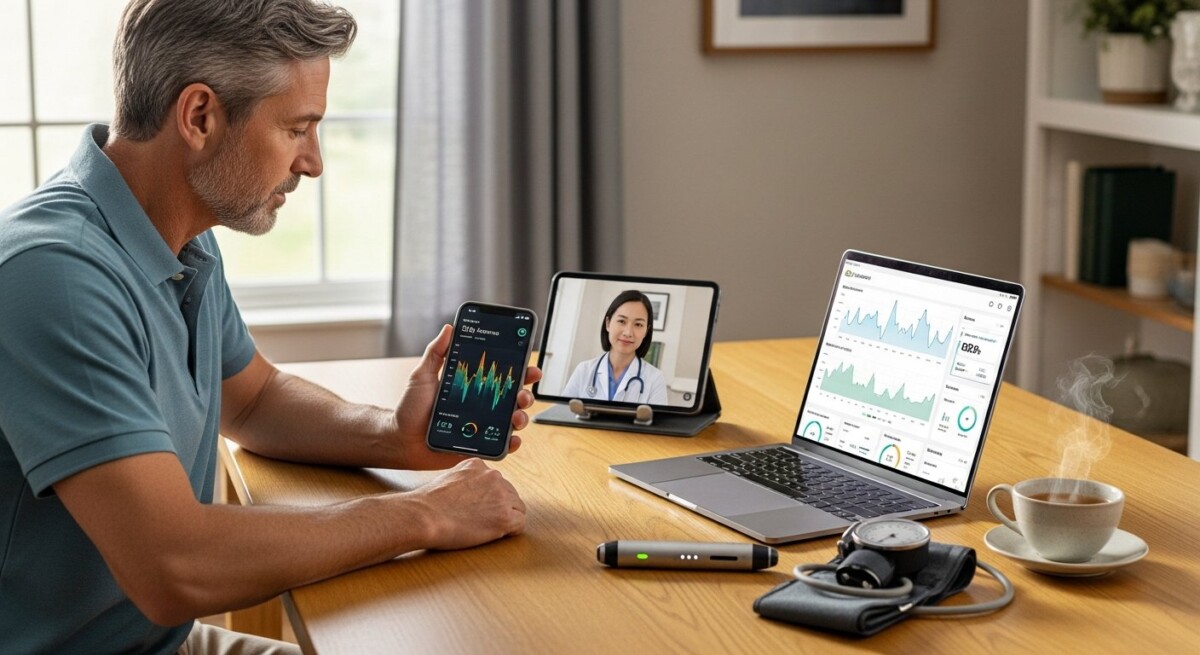
Living with diabetes requires constant attention. Blood sugar levels, medication timing, food choices, and physical activity all demand daily focus. For many people, regular visits to a doctor’s office or clinic have been the standard way to manage this condition. However, the rise of digital healthcare has changed the game. Managing diabetes remotely with telehealth tools now offers a practical and effective alternative that fits into busy lives. Instead of sitting in a waiting room, you can connect with your care team from your home or office. This shift does not just save time. It can lead to better outcomes by making care more consistent and accessible. Telehealth puts the power of data and professional guidance directly into your hands, allowing for real-time adjustments and a deeper understanding of your own health patterns.
How Telehealth Transforms Diabetes Care
Traditional diabetes management often involves periodic check-ups where you review a log of your blood sugar readings. The problem is that these logs can be incomplete or written down hours after the fact. Telehealth tools solve this by integrating with modern devices. Continuous glucose monitors (CGMs), smart insulin pens, and connected blood pressure cuffs can send data directly to your healthcare provider through a secure platform. This means your doctor can see trends as they happen, not just what you remember to write down.
This constant flow of information allows for more precise medication adjustments. For example, if your blood sugar spikes consistently after breakfast, your provider can see the pattern within a few days and suggest a change in your insulin-to-carb ratio. Without remote monitoring, you might go weeks without noticing this trend. The result is fewer dangerous highs and lows. Telehealth also makes it easier to address small issues before they become big problems. A quick video call can help you troubleshoot a stubborn high reading or discuss side effects from a new medication. This proactive approach is a key advantage of remote care.
For those managing Type 1 or Type 2 diabetes, the convenience of virtual visits cannot be overstated. You eliminate travel time, reduce exposure to other illnesses in waiting rooms, and can often schedule appointments outside of traditional business hours. This is especially valuable for working professionals, parents, and individuals living in rural areas with limited access to endocrinologists. As noted in our guide on Managing Diabetes With Telemedicine: A Modern Care Guide, integrating these tools into your routine can significantly improve your quality of life.
Essential Telehealth Tools for Remote Diabetes Management
To effectively manage diabetes from a distance, you need the right set of tools. These devices and platforms work together to create a complete picture of your health. Here are the core components of a modern remote diabetes setup:
- Continuous Glucose Monitor (CGM): A small sensor worn on your arm or abdomen that reads your blood sugar every few minutes. It sends data to your phone or receiver, showing you trends and alerts for highs and lows.
- Connected Blood Glucose Meter: A traditional finger-stick meter that automatically syncs readings to a smartphone app. This eliminates the need for a written log book.
- Smart Insulin Pen: A reusable pen that tracks doses, timing, and temperature. It logs your insulin intake and shares the data with your care team.
- Blood Pressure Monitor: Many people with diabetes also have hypertension. A connected cuff sends blood pressure readings to your provider, helping them manage both conditions together.
- Secure Telehealth Platform: The software that connects you to your doctor. It should support video visits, secure messaging, and data sharing from your devices.
Using these tools together creates a feedback loop. Your CGM shows a trend, your smart pen records the dose you took to correct it, and your doctor reviews the data during a weekly check-in. This system allows for adjustments that are both fast and precise. Many patients report feeling more in control of their condition when they can see their data in real time and discuss it with a professional without delay.
Setting Up Your Remote Diabetes Care Plan
Getting started with remote diabetes management requires some planning, but the process is straightforward. The first step is to talk to your primary care doctor or endocrinologist about whether telehealth is right for you. Most insurance plans now cover virtual visits and connected devices, especially for chronic conditions like diabetes. Once you have approval, you will need to choose the tools that match your needs and lifestyle.
Next, set up your devices and learn how to sync them with your telehealth platform. Many companies offer onboarding support or video tutorials. Spend a few days getting comfortable with the technology. For example, if you are using a new CGM, wear it for a week while also checking with your finger-stick meter to understand the readings. This gives you confidence in the data you are sharing with your provider. You should also establish clear communication rules with your care team. Know how to send a message between visits, what to do in an emergency, and how often you will have video check-ins.
A typical remote care plan might include a weekly 15-minute video call to review trends, a monthly longer appointment to adjust medications, and unlimited secure messaging for urgent questions. Your provider can also order lab tests and at-home testing kits through the platform. For instance, an at-home A1C test kit can be mailed to your door, allowing you to complete the test and send it back without a lab visit. This level of convenience keeps you engaged in your own care without disrupting your daily routine.
Interpreting Your Data Between Visits
One of the biggest benefits of remote diabetes tools is that you do not have to wait for a doctor’s appointment to understand your numbers. Most apps provide easy-to-read graphs and summaries. You can see your time-in-range, average glucose, and standard deviation. These metrics tell you how stable your blood sugar is throughout the day. If you notice a pattern, such as high readings after dinner, you can adjust your meal timing or carbohydrate intake immediately. The data empowers you to make informed decisions. However, always discuss major medication changes with your provider first. Telehealth makes that conversation easy to start with a quick message or call.
Overcoming Common Challenges in Remote Diabetes Management
While telehealth offers many advantages, it is not without obstacles. Some people struggle with the technology. Setting up a CGM or syncing a meter to an app can feel overwhelming at first. The solution is to ask for help. Many device manufacturers have support lines, and your provider’s office can often walk you through the setup. Another challenge is data overload. Seeing constant glucose readings can lead to anxiety or obsessive checking. It helps to focus on trends rather than individual numbers. A single high reading is not a crisis. A pattern of highs over three days is worth addressing.
Privacy and security are also valid concerns. Make sure your telehealth platform uses encryption and complies with HIPAA regulations. DoctorsHome, for example, prioritizes the confidentiality of your health information. You should also have a backup plan for technology failures. If your internet goes down, know how to reach your doctor by phone. Keep a traditional glucose meter and test strips on hand in case your CGM fails. Remote care is flexible, but it requires a basic level of preparedness.
Finally, consider the cost. While many insurance plans cover telehealth, deductibles and copays vary. Some connected devices require a prescription and may have upfront costs. However, investing in these tools often saves money in the long run by preventing hospitalizations and emergency room visits. Explore financial assistance programs offered by device manufacturers if cost is a barrier.
The Role of At-Home Testing in Diabetes Care
Remote diabetes management extends beyond glucose monitoring. Regular lab tests are essential for tracking long-term control and detecting complications. At-home testing kits make it easy to stay on schedule. You can order a kit online, collect a small blood sample from your finger, and mail it to a certified lab. Results are typically available within days and are shared directly with your provider. This is especially useful for tests like A1C, which measures your average blood sugar over the past two to three months. Other important tests include kidney function, liver function, and cholesterol levels.
Using at-home kits reduces the need for separate lab visits. This saves time and makes it easier to follow through with recommended testing. For people who travel frequently or live far from a lab, this convenience is a game changer. Your provider can order the tests remotely, and you can complete them from anywhere. The results integrate seamlessly into your telehealth records, giving your doctor a complete view of your health. When combined with daily glucose data, these periodic lab tests provide a comprehensive picture that supports better treatment decisions.
Frequently Asked Questions
Can I really manage diabetes without seeing a doctor in person?
Yes, many people successfully manage diabetes through telehealth alone. However, your doctor may recommend an in-person visit once a year for a physical exam or foot check. Most routine care, medication adjustments, and education can be handled virtually.
What if my internet connection is poor?
Most telehealth platforms offer phone-only visits as a backup. You can also use secure messaging to communicate with your provider. A stable internet connection is helpful for video calls, but it is not strictly required for remote diabetes management.
Are telehealth tools covered by insurance?
Medicare, Medicaid, and most private insurers now cover telehealth services for chronic conditions like diabetes. Coverage for devices like CGMs and smart pens varies. Check with your insurance provider and your doctor’s office to confirm what is covered under your plan.
How do I share my glucose data with my doctor?
Most connected devices sync automatically to a smartphone app. From the app, you can share a report or give your provider direct access to your data. Your telehealth platform may also have a built-in data-sharing feature. Your care team can guide you through the process.
What should I do if I have a medical emergency?
Telehealth is not a substitute for emergency care. If you experience severe symptoms such as confusion, difficulty breathing, loss of consciousness, or extremely high or low blood sugar that does not respond to treatment, call 911 or go to the nearest emergency room immediately.
Managing diabetes remotely with telehealth tools is more than a convenience. It is a powerful approach that puts you in the driver’s seat of your health journey. With the right devices, a supportive care team, and a solid plan, you can achieve stable blood sugar levels and a better quality of life. The technology continues to improve, making it easier than ever to stay connected to your healthcare providers. Whether you are newly diagnosed or have lived with diabetes for years, exploring remote management options could be the step that transforms your daily routine. Talk to your doctor about what tools are right for you. If you are looking for a reliable platform to start with, consider the resources available through telemedicine services that specialize in chronic disease support. An informed patient is an empowered patient, and telehealth provides the tools to stay informed every day. Learn more
About the Author: Sarah Thompson


Sign up for our newsletter and Save 20% on Test Kits
"*" indicates required fields