
Managing Chronic Pain With Telehealth: A Modern Care Guide
Managing Chronic Pain With Telehealth: A Modern Care Guide

For millions living with chronic pain, the simple act of traveling to a doctor’s office can be an agonizing ordeal. The physical strain of commuting, long waits in uncomfortable chairs, and the logistical burden of scheduling frequent appointments often exacerbate the very condition being treated. This creates a vicious cycle where accessing care intensifies suffering, leading many to delay or avoid consultations altogether. Fortunately, the rapid evolution of digital healthcare offers a powerful solution, fundamentally reshaping the patient-provider relationship for chronic pain management. Telehealth bridges the critical gap between need and access, delivering consistent, specialized care directly into the patient’s home. This model is not merely a convenient alternative, it is a transformative approach that addresses the unique, longitudinal challenges of chronic pain.
The Telehealth Model for Chronic Pain Management
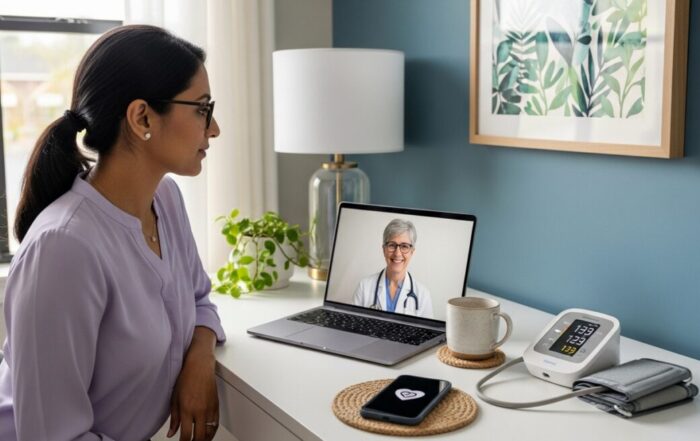
Telehealth for chronic pain is far more comprehensive than a single video call. It represents a continuous, integrated care model built on regular virtual check-ins, ongoing medication management, and personalized treatment plan adjustments. This continuity is vital for conditions like neuropathy, fibromyalgia, arthritis, and chronic back pain, where symptoms fluctuate and require consistent monitoring. The virtual setting allows clinicians to observe patients in their home environment, which can provide invaluable context about daily functioning, ergonomic setups, and real-world challenges that may not surface during a brief in-office visit.
The core of this model is the establishment of a consistent therapeutic alliance. Patients develop a relationship with a provider who becomes deeply familiar with their history, pain patterns, and response to previous interventions. This longitudinal understanding enables more nuanced and effective care. For instance, a provider can quickly assess if a new medication is causing side effects or if a prescribed physical therapy regimen is proving too strenuous, making timely adjustments without the patient having to endure a weeks-long wait for an in-person slot. This proactive management helps prevent minor setbacks from escalating into major pain flares.
Key Benefits and Advantages for Patients
The advantages of utilizing telehealth for chronic pain are multifaceted, addressing practical, clinical, and psychological barriers to effective care. The most immediate benefit is the elimination of travel. For someone with severe osteoarthritis or migraines, commuting can be a prohibitive hurdle. Telehealth removes this obstacle, ensuring that pain or mobility issues do not block access to professional help. This also translates to significant time and cost savings, reducing expenses related to transportation, parking, and often, lost wages from taking time off work.
Perhaps the most profound benefit is the reduction in care delays. Chronic pain is dynamic, and timely intervention is crucial. With telehealth, patients can often schedule follow-ups or address acute concerns much faster than waiting for an in-office appointment. This rapid response capability can help manage pain spikes before they become debilitating. Furthermore, receiving care in a familiar, low-stress home environment can lead to more open and honest communication. Patients may feel more comfortable discussing sensitive topics like medication efficacy, mental health struggles related to pain, or lifestyle limitations, leading to more accurate assessments and tailored care plans.
To illustrate the scope of these advantages, consider the following key benefits of integrating telehealth into a chronic pain management strategy:
- Enhanced Access and Consistency: Breaks down geographical and mobility barriers, enabling regular contact with specialists regardless of location.
- Timely Intervention and Adjustments: Allows for quick medication tweaks, therapy updates, and consultation during pain flares, preventing deterioration.
- Comfort and Reduced Stress: Patients consult from a safe, comfortable space, minimizing the physical and emotional toll of clinic visits.
- Integrated Multidisciplinary Support: Facilitates easier coordination between pain specialists, physical therapists, and mental health counselors in a virtual team-based approach.
- Empowerment Through Tools: Providers can share digital resources, pain tracking apps, and educational materials directly through secure portals for daily use.
This model aligns with a holistic view of pain management. It supports not just the pharmacological aspect, but also the behavioral and psychological components. For example, a therapist providing cognitive behavioral therapy (CBT) for pain can work seamlessly with the prescribing physician through shared virtual channels, ensuring all aspects of the patient’s care are aligned. This integrated approach is difficult to coordinate with traditional, siloed in-person visits but becomes streamlined in a digital health ecosystem.
Core Components of an Effective Telehealth Pain Program
An effective telehealth program for chronic pain extends beyond the video consultation itself. It is a structured ecosystem designed for comprehensive management. The initial comprehensive assessment is critical. During this longer virtual visit, the provider conducts a thorough history, reviews prior records and imaging (often uploaded digitally beforehand), and performs a guided physical exam. Patients might be asked to demonstrate their range of motion, walk on camera, or point to specific areas of pain. This establishes a robust baseline.
Following the assessment, a collaborative treatment plan is developed. This plan typically includes medication management with clear protocols for use, referrals to virtual physical therapy, and connections to digital mental health resources. Prescription services are a core component, allowing for safe, secure electronic transmission of prescriptions to a pharmacy of the patient’s choice, including convenient mail-order options. For certain medications requiring close oversight, platforms like Doctors Home ensure protocols are followed while maintaining patient convenience.
Ongoing management relies on consistent monitoring tools. Patients may use digital pain diaries, symptom trackers, or wearable devices that monitor activity levels and sleep patterns. This data is shared securely with the provider before follow-up visits, making consultations highly efficient and data-driven. The provider isn’t relying solely on the patient’s memory of their pain over the last month, they are reviewing objective trends to guide decisions. This continuous feedback loop is essential for managing a chronic, variable condition, much like the ongoing management required for other persistent health issues explored in our guide on how telehealth for anxiety treatment is changing mental health care.
Overcoming Challenges and Ensuring Quality Care
While promising, telehealth for pain management is not without its challenges. The most cited limitation is the inability to perform a hands-on physical examination. Providers adept in telehealth develop workarounds, using detailed verbal descriptions, visual observation of movement, and instructing patients or a family member on how to perform simple palpation or tests under guidance. For elements that absolutely require in-person evaluation, such as certain injections or complex manipulations, the telehealth model seamlessly transitions to a hybrid approach, where the virtual provider coordinates and refers for necessary in-person procedures.
Technological literacy and access remain barriers for some populations. A quality telemedicine service addresses this by offering simple, intuitive platforms that work on smartphones, tablets, or computers, and providing clear technical support. Data security and privacy are paramount, requiring HIPAA-compliant video and messaging systems that protect sensitive health information. Furthermore, navigating insurance coverage for telehealth pain management can be complex, though coverage has expanded dramatically. Reputable platforms often assist with this process, clarifying eligible services and billing codes.
The success of the model hinges on choosing the right provider and platform. Patients should seek services that specialize in or have significant experience with chronic conditions, employ licensed and credentialed professionals, and offer a full suite of supportive services, not just one-off consultations. The platform should facilitate easy record sharing, secure messaging, and integration with other digital health tools. This ensures the telehealth experience is a pillar of long-term care, not just an isolated virtual visit. This comprehensive, condition-focused approach mirrors the specialized care seen in other telehealth domains, such as the targeted treatment for acute conditions discussed in our article on how telehealth for cold and flu symptoms transforms care.
Frequently Asked Questions
Can controlled substances for pain be prescribed via telehealth?
Regulations regarding controlled substance prescriptions via telehealth have evolved. While the federal public health emergency flexibilities have changed, many states allow the prescription of certain controlled substances for pain following an appropriate evaluation via telehealth, especially within an established patient-provider relationship. It is essential to use a compliant platform like Doctors Home and consult with a licensed provider who understands both federal and state-specific regulations.
What technology do I need for a pain management telehealth visit?
You typically need a smartphone, tablet, or computer with a camera, microphone, and speaker and a reliable internet connection. Most platforms work through a web browser or a simple app. No advanced technical skills are required, and support is usually available to help you connect.
How do I share my medical records or MRI/X-ray results with a telehealth provider?
Reputable telehealth platforms have secure patient portals where you can upload documents, images, or reports prior to your appointment. You can also sign release forms electronically so the telehealth provider can request records directly from your previous doctors or imaging centers.
Is telehealth for chronic pain covered by insurance?
Coverage is widespread but varies by insurer and plan. Medicare, Medicaid, and most private insurers now cover telehealth visits for chronic pain management. It is always advisable to check with your specific insurance provider regarding copays and visit limits. The telehealth service itself can often help verify your benefits.
Can telehealth incorporate physical therapy or exercise guidance?
Absolutely. A significant component of chronic pain management is movement and physical therapy. Many telehealth programs include access to virtual physical therapists who can guide you through exercises via video, correct your form in real-time, and adapt routines based on your pain levels and progress, all from your living room.
The integration of telehealth into chronic pain management is a significant step toward patient-centered, accessible, and sustainable care. It empowers individuals to take an active role in their treatment from a place of comfort, breaking down the traditional barriers that have long complicated the journey to pain relief. By leveraging secure technology and clinical expertise, this model fosters a proactive partnership between patient and provider, paving the way for improved quality of life and better long-term outcomes. As digital health continues to mature, its role in managing chronic conditions will only become more sophisticated and indispensable.
About the Author: Megan Patel




Sign up for our newsletter and Save 20% on Test Kits
"*" indicates required fields