

Managing Chronic Disease with Telemedicine: A Modern Care Model
Managing Chronic Disease with Telemedicine: A Modern Care Model
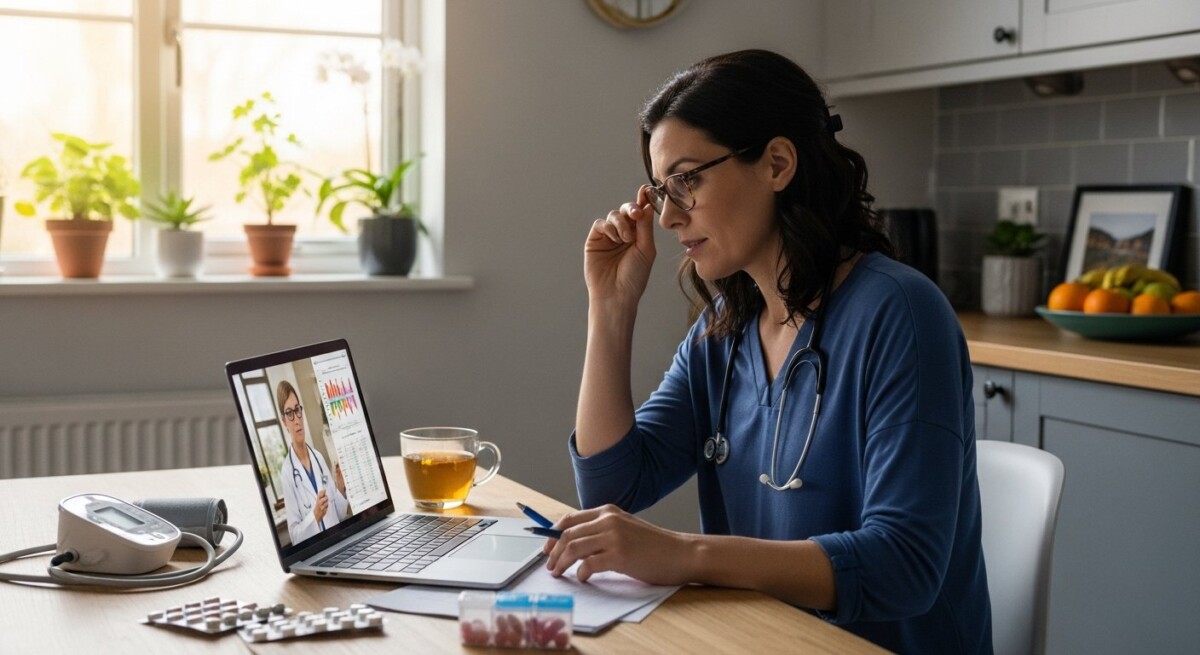
For millions living with diabetes, hypertension, heart failure, or COPD, managing a chronic condition is a daily reality that demands constant vigilance. Traditional healthcare models, built around infrequent in-person visits, often struggle to provide the continuous support these conditions require. This gap between need and access has created a pressing challenge: how to deliver consistent, high-quality care that fits into a patient’s life without overwhelming it. Enter telemedicine, a transformative approach that is fundamentally reshaping chronic disease management. By leveraging secure video, messaging, and remote monitoring tools, telemedicine moves care from the episodic clinic visit to an integrated, ongoing conversation. It is not merely a convenient substitute for the doctor’s office, it is evolving into a superior, proactive framework for sustaining health, preventing complications, and empowering patients to take control of their long-term well-being.
The Core Advantages of Telemedicine for Chronic Care
The value of telemedicine for chronic conditions extends far beyond simple convenience. It addresses systemic flaws in traditional care delivery, creating a model that is more responsive, data-driven, and patient-centered. Chronic diseases are dynamic, their status changing with daily choices, medication effects, and environmental factors. A check-up every six months provides only a snapshot, often missing critical trends or early warning signs. Telemedicine facilitates continuous care, allowing for more frequent touchpoints that can catch issues before they escalate into emergencies. This continuity builds a stronger therapeutic alliance between patient and provider, fostering trust and open communication.
Furthermore, telemedicine dramatically reduces the burden of care access. For patients with mobility issues, transportation challenges, or who live in rural areas, the physical trip to a specialist can be a significant barrier, leading to missed appointments and deteriorating health. Virtual visits eliminate this geographic and logistical hurdle. The model also promotes better medication adherence and understanding. Patients can easily follow up to discuss side effects or confusion about a new prescription, leading to safer and more effective treatment. From a public health perspective, this consistent management helps stabilize conditions, reducing the frequency of costly acute episodes, hospital readmissions, and disease progression, which benefits the entire healthcare system.
Key Chronic Conditions Ideal for Telemedicine Management
While many chronic illnesses can benefit from a telehealth component, several stand out due to their need for frequent monitoring and lifestyle coaching. These conditions are particularly well-suited to the remote care model.
Diabetes Mellitus
Diabetes management is a data-intensive process centered on blood glucose levels, diet, exercise, and medication. Telemedicine integrates seamlessly here. Patients can upload readings from glucometers or continuous glucose monitors (CGMs) to a shared portal before a virtual visit. The provider can review trends in real-time, adjusting insulin doses or other medications promptly. Dietitians can conduct virtual counseling sessions, and educators can reinforce self-care techniques. This constant feedback loop enables tighter glycemic control, which is crucial for preventing long-term complications like neuropathy, retinopathy, and cardiovascular disease.
Hypertension and Cardiovascular Disease
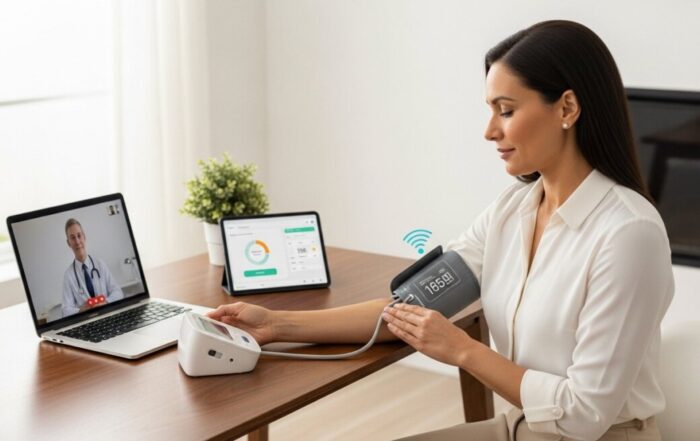
Managing high blood pressure often involves trial and error with medications and lifestyle modifications. With telemedicine, patients can use validated home blood pressure monitors to take regular readings in a relaxed environment, avoiding “white coat syndrome.” Providers review this data over time to make informed treatment decisions. For patients with heart failure, remote monitoring can include daily weight checks (a key indicator of fluid retention) and symptom tracking. Early detection of worsening signs allows for quick intervention, potentially preventing hospitalization. Cardiac rehab programs are also increasingly delivered via telehealth, providing guided exercise and education safely at home.
Mental Health Conditions
Chronic mental health conditions such as depression, anxiety, and PTSD require regular therapeutic support. Teletherapy has proven exceptionally effective, increasing access to psychiatrists, psychologists, and counselors. The comfort and privacy of receiving care from one’s own home can reduce stigma and improve attendance. Consistent virtual sessions are vital for medication management, cognitive behavioral therapy (CBT), and coping strategy development, providing a stable foundation for long-term mental wellness.
Respiratory Diseases (COPD and Asthma)
For conditions like Chronic Obstructive Pulmonary Disease (COPD) and asthma, monitoring lung function and symptoms is key. Patients can use home spirometers to measure peak flow or FEV1 and report results virtually. Pulmonologists can assess shortness of breath, cough, and medication use via video, adjusting inhaler regimens or prescribing steroids during an exacerbation. This proactive management helps maintain lung function and quality of life while reducing emergency room visits for acute attacks.
Essential Components of an Effective Telemedicine Program
Successful chronic disease management via telemedicine relies on more than just a video chat. It requires a structured ecosystem of technology, processes, and patient engagement. The foundation is a secure, HIPAA-compliant platform that facilitates video consultations, secure messaging, and file sharing. This platform should integrate, or interface, with the provider’s Electronic Health Record (EHR) to ensure all patient data is in one place. Crucially, the program must incorporate remote patient monitoring (RPM) tools. These are medical devices that patients use at home to collect and transmit health data.
Common RPM devices include:
- Bluetooth-enabled blood pressure cuffs and glucometers that sync data automatically to apps.
- Weight scales that transmit readings for heart failure or renal disease management.
- Pulse oximeters for patients with respiratory or cardiac conditions.
- Wearable activity trackers to monitor exercise and sleep patterns.
The data from these devices provides an objective, ongoing picture of the patient’s health, moving care from reactive to predictive. Furthermore, effective programs include dedicated care coordinators or nurses who triage messages, review incoming data, and ensure follow-up. They act as a consistent point of contact, guiding patients through the digital landscape. Finally, patient education is paramount. Providers must offer clear training on using the technology and devices, setting realistic expectations for response times, and emphasizing the patient’s active role in their own care journey.
Overcoming Challenges and Ensuring Equitable Access
Despite its promise, telemedicine is not without hurdles. The digital divide remains a significant barrier to equitable access. Older adults, low-income populations, and those in rural areas may lack reliable high-speed internet, a suitable smartphone, or digital literacy. Healthcare systems must develop solutions, such as providing loaner devices, offering technical support hotlines, and maintaining the option for phone-only consultations. Reimbursement policies from insurers and Medicare continue to evolve, and clarity is needed to ensure sustainable provider participation. Clinical limitations also exist, a virtual visit cannot replace a hands-on physical exam for certain assessments. Therefore, the optimal model is often a hybrid one, blending periodic in-person visits for necessary exams with frequent virtual check-ins for management and coaching.
Privacy and security are non-negotiable. Patients must be assured their health data is protected using encrypted platforms designed for healthcare, not consumer-grade video chat apps. Perhaps the most subtle challenge is maintaining the human connection. Providers must be trained in “webside manner,” making deliberate eye contact with the camera, listening attentively, and expressing empathy through a screen to build the same trust as an in-person visit.
Frequently Asked Questions
Is telemedicine for chronic conditions covered by insurance? Coverage has expanded significantly, especially since the COVID-19 pandemic. Medicare, Medicaid, and most private insurers now cover telehealth visits for chronic care management. However, coverage for specific remote monitoring devices can vary. It is always best to check with your insurance provider for details on copays and eligible services.
What equipment do I need for a telemedicine visit? At a minimum, you need a smartphone, tablet, or computer with a camera, microphone, and speaker, along with a reliable internet connection. For remote monitoring, your provider may prescribe or recommend specific FDA-cleared devices, like a blood pressure cuff, that connect to an app on your phone.
Can I get prescriptions refilled through telemedicine? Yes, for ongoing management of chronic conditions, providers can legally prescribe and refill medications via telemedicine. Controlled substances have stricter regulations that may require an initial in-person visit or follow a state-specific tele-prescribing law.
How do I share my home monitoring data with my doctor? Most remote monitoring devices connect via Bluetooth to a dedicated app on your smartphone. The app securely transmits the data to your provider’s portal, where it is integrated into your medical record for review during your virtual appointments.
Is telemedicine as effective as in-person care for chronic disease? For many aspects of chronic disease management, such as consultation, education, medication adjustment, and reviewing trends from home data, telemedicine has been shown to be equally effective, and sometimes more effective, due to increased frequency of contact. It is a complementary tool that, when used appropriately within a hybrid care plan, enhances overall outcomes.
The integration of telemedicine into chronic disease management represents a paradigm shift toward personalized, proactive healthcare. It transforms the patient from a passive recipient of occasional care into an active, informed partner in a continuous health journey. By breaking down barriers of distance and time, it makes consistent, high-quality support not just a possibility, but a practical reality. For healthcare systems, it offers a path to better population health outcomes and more efficient resource use. As technology advances and adoption grows, telemedicine is poised to become the standard, rather than the alternative, for managing lifelong health conditions, empowering individuals to live fuller, healthier lives on their own terms.
About the Author: Laura Simmons


Sign up for our newsletter and Save 20% on Test Kits
"*" indicates required fields