
In-Home Respiratory Therapy for COPD: A Guide to Better Breathing
In-Home Respiratory Therapy for COPD: A Guide to Better Breathing
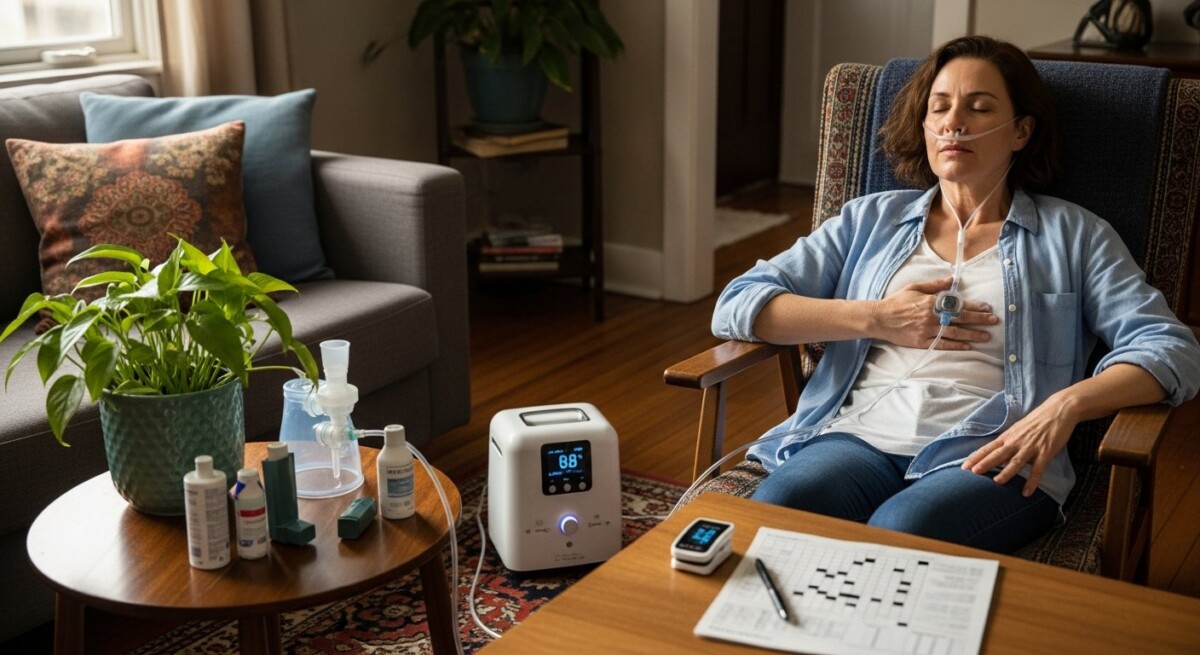
For millions living with Chronic Obstructive Pulmonary Disease (COPD), the simple act of breathing can feel like a daily battle. The progressive nature of the disease, characterized by emphysema and chronic bronchitis, often leads to a cycle of hospital visits, declining lung function, and reduced quality of life. However, a powerful shift in care is offering new hope and stability: comprehensive in-home respiratory therapy. Moving beyond the traditional clinic-based model, this approach brings a multidisciplinary strategy directly to the patient’s living room. It transforms the home into a personalized center for managing symptoms, preventing exacerbations, and empowering individuals to take active control of their respiratory health. This model is not merely about convenience, it is a clinically-proven pathway to improved outcomes, greater independence, and a life less defined by breathlessness.
The Core Components of a Home-Based Respiratory Program
Effective in-home respiratory therapy for COPD patients is not a single service but a coordinated suite of interventions tailored to the individual’s specific stage and symptoms. The goal is to create a seamless, supportive environment that addresses both the physiological and practical challenges of COPD. A robust program typically integrates several key elements, each playing a vital role in stabilizing the patient’s condition. The foundation is built on proper assessment and the correct use of medical equipment, but it extends far into education, behavioral modification, and consistent monitoring.
Central to most plans is the use of prescribed oxygen therapy and nebulized medications. A respiratory therapist will ensure the patient understands their oxygen concentrator or tank, including flow rates and safety protocols. They also train on inhaler and nebulizer technique, a critical step since incorrect use is a major cause of treatment failure. Beyond medication delivery, airway clearance techniques are taught to help loosen and remove mucus from the lungs, reducing infection risk and improving ventilation. Furthermore, a dedicated focus on breathing retraining, such as pursed-lip and diaphragmatic breathing, helps patients manage shortness of breath during daily activities. This holistic combination of tools and techniques forms the bedrock of daily management.
Benefits Beyond Breathing: The Multifaceted Impact
The advantages of receiving respiratory care at home extend well beyond simply managing wheezing or cough. The most significant impact is often seen in the drastic reduction of hospital readmissions. Acute exacerbations, which frequently lead to emergency room visits, can often be prevented or managed early when a therapist is monitoring the patient regularly at home. This not only preserves lung tissue but also reduces the physical and emotional trauma of repeated hospitalizations. Furthermore, the comfort and familiarity of one’s own environment reduce stress, which is a known trigger for COPD symptoms. Patients tend to be more relaxed and compliant with their treatment regimen when it is administered in a setting they control.
Another profound benefit is the enhancement of patient and caregiver education. In a one-on-one home setting, a therapist can assess real-world challenges: the layout of the home, the patient’s daily routine, and their nutritional habits. They can provide practical advice on energy conservation, how to set up a living space to minimize exertion, and dietary guidance to support respiratory muscle function. This level of personalized, contextual education is difficult to achieve in a busy clinic. The result is a more confident, self-sufficient patient and a family caregiver who feels equipped and supported. This model of care aligns with the principles of effective chronic disease management, fostering long-term adherence and stability.
The Role of the Respiratory Therapist at Home
The in-home respiratory therapist (RT) is the linchpin of this care model, serving as clinician, educator, coach, and liaison. Their role is far more hands-on and continuous than in an outpatient setting. During initial and follow-up visits, the RT conducts thorough assessments that go beyond lung sounds. They evaluate the patient’s oxygen saturation levels during rest and activity, assess their functional capacity, review medication adherence, and inspect equipment for proper function. They are trained to identify subtle early warning signs of an impending exacerbation, such as increased sputum production or a slight change in breathing pattern, allowing for prompt intervention that can prevent a crisis.
Perhaps their most valuable function is providing consistent, reinforcement-based education. They observe the patient using their inhaler in real-time and correct technique on the spot. They can tailor breathing exercises to the patient’s specific hobbies or chores, like gardening or laundry. The therapist also becomes a crucial communication bridge between the patient and their pulmonologist or primary care physician, providing detailed reports on the patient’s home status. This continuity of care ensures that the physician’s treatment plan is being executed correctly and allows for timely adjustments. The therapeutic relationship built on trust and regular contact is a powerful motivator for patients, similar to the supportive framework found in other home-based rehabilitation programs, such as those detailed in our guide on home-based stroke recovery and physical therapy.
Integrating Technology and Telehealth
Modern in-home respiratory therapy is increasingly augmented by digital health technology, creating a hybrid model of care that offers both human touch and data-driven insights. Remote patient monitoring (RPM) devices allow patients to measure and transmit vital signs like pulse oximetry, heart rate, and spirometry readings directly to their care team from home. This data creates a baseline for each patient, and deviations from their personal norm can trigger an alert for the therapist to follow up. Telehealth video visits provide a convenient medium for routine check-ins, medication reviews, and breathing technique coaching, ensuring continuous support between in-person visits.
This technological integration addresses several critical challenges. It improves accessibility for patients with mobility issues or those living in remote areas. It enables more frequent monitoring without burdening the patient with travel. Most importantly, it facilitates proactive care. Instead of waiting for a patient to feel severely ill and call for help, the care team can see trends indicating decline and act preemptively. For example, a gradual drop in nightly oxygen saturation might prompt a medication adjustment before symptoms even appear. The key to success with these technologies, however, remains the human interpreter: the respiratory therapist who contextualizes the data and provides the compassionate, personalized guidance that machines cannot.
Getting Started: What Patients and Families Should Know
Initiating in-home respiratory therapy typically begins with a referral from the patient’s pulmonologist or primary care physician following a hospitalization or as part of a proactive management plan for advanced COPD. It is often covered by Medicare, Medicaid, and many private insurance plans when deemed medically necessary. The process involves an initial evaluation by the home health agency to determine the specific needs and frequency of visits. To prepare for this transition, patients and families should take several important steps to ensure a smooth and effective start.
First, it is crucial to understand your insurance coverage. Ask about copays, the number of visits authorized, and what durable medical equipment (like oxygen concentrators) is included. Second, prepare your home environment. Create a safe, clutter-free space for therapy sessions and equipment. Ensure there is good lighting and a comfortable chair. Have a list of all current medications, including dosages and schedules, ready for the therapist. Finally, prepare a list of questions and goals. What daily activity is most limited by your breathing? What are you hoping to achieve with therapy? Being an active participant from day one will maximize the benefits. To help you organize, here are key items to discuss during the initial assessment:
- Your specific COPD diagnosis and recent history of exacerbations or hospitalizations.
- All medications, including inhalers, nebulizer solutions, and oral prescriptions.
- Your current oxygen prescription and equipment, if any.
- Your daily routine, including activities that cause shortness of breath.
- Your home environment, including stairs, air quality, and smoking policies.
- Your support system: who helps you at home and their contact information.
Following this initial setup, the therapist will work with you to establish a personalized care plan. This plan is not static, it will evolve as your condition changes, with the constant aim of maintaining your highest possible level of function and independence within your own home.
Embracing in-home respiratory therapy represents a proactive and empowering approach to living with COPD. It shifts the focus from crisis management in a hospital to consistent, preventive care in the place where life happens. By combining expert clinical support with modern technology and deep personalization, this model offers a tangible path to fewer hospital visits, less anxiety, and more good days. For the COPD patient, the ultimate goal is not just to breathe easier, but to live fully. In-home respiratory therapy provides the tools, knowledge, and sustained partnership to make that goal an achievable reality.
About the Author: James Patel


Sign up for our newsletter and Save 20% on Test Kits
"*" indicates required fields